Health Risks of Living in a Home With Unresolved Water Damage in Downtown Durham
Living in a home with unresolved water damage puts your family’s health at serious risk. Water damage creates the perfect breeding ground for mold, bacteria, and other harmful pathogens that can cause immediate and long-term health problems. In Durham’s humid climate, these risks multiply quickly as moisture lingers in walls, under floors, and in crawl spaces. How to Choose the Best Water Restoration Company in Cary Without Getting Ripped Off.
Water damage isn’t just about property destruction. The moisture creates an environment where harmful microorganisms thrive, releasing spores and toxins into your indoor air. These contaminants can trigger severe allergic reactions, respiratory infections, and other serious health conditions that affect everyone in your household, especially children, elderly family members, and those with compromised immune systems. Who to Call for Emergency Water Damage in Downtown Raleigh at 3 AM.
The longer you wait to address water damage, the more severe the health risks become. Mold can begin growing within 24-48 hours of water exposure, and bacteria from contaminated water sources can multiply rapidly. Understanding these risks is the first step toward protecting your family’s health and creating a safe living environment. Water Damage Restoration Cary.
Immediate Respiratory Risks and Allergies
Unresolved water damage triggers immediate respiratory problems that affect even healthy individuals. When water saturates building materials, it releases microscopic particles into the air that irritate your lungs, throat, and nasal passages. These airborne irritants cause symptoms that many people mistake for seasonal allergies or common colds.
Common immediate symptoms include persistent coughing, sneezing, itchy eyes, and runny nose. Many Durham residents experience worsening asthma symptoms when living in water-damaged homes. The damp environment also creates ideal conditions for dust mites, which are another major respiratory irritant that thrives in humid conditions.
Children are particularly vulnerable to these respiratory effects. Their developing lungs are more sensitive to airborne contaminants, and they spend more time close to the floor where mold spores and dust accumulate. Parents often notice their children developing chronic coughs or experiencing more frequent asthma attacks after water damage occurs in their homes.
The danger compounds in Durham’s climate, where average humidity levels exceed 70% during summer months. This moisture in the air prevents water-damaged materials from drying properly, allowing respiratory irritants to persist and multiply. Without professional intervention, these immediate health risks can develop into chronic conditions that affect your family’s quality of life. High Indoor Humidity Levels.
The Danger of Mold Growth (The 24-48 Hour Window)
Mold growth represents one of the most serious health risks from unresolved water damage. The critical window for prevention is extremely narrow. According to the IICRC S500 Standard for Professional Water Damage Restoration, mold can begin colonizing water-damaged materials within 24-48 hours of initial exposure. IICRC S500 Standard.
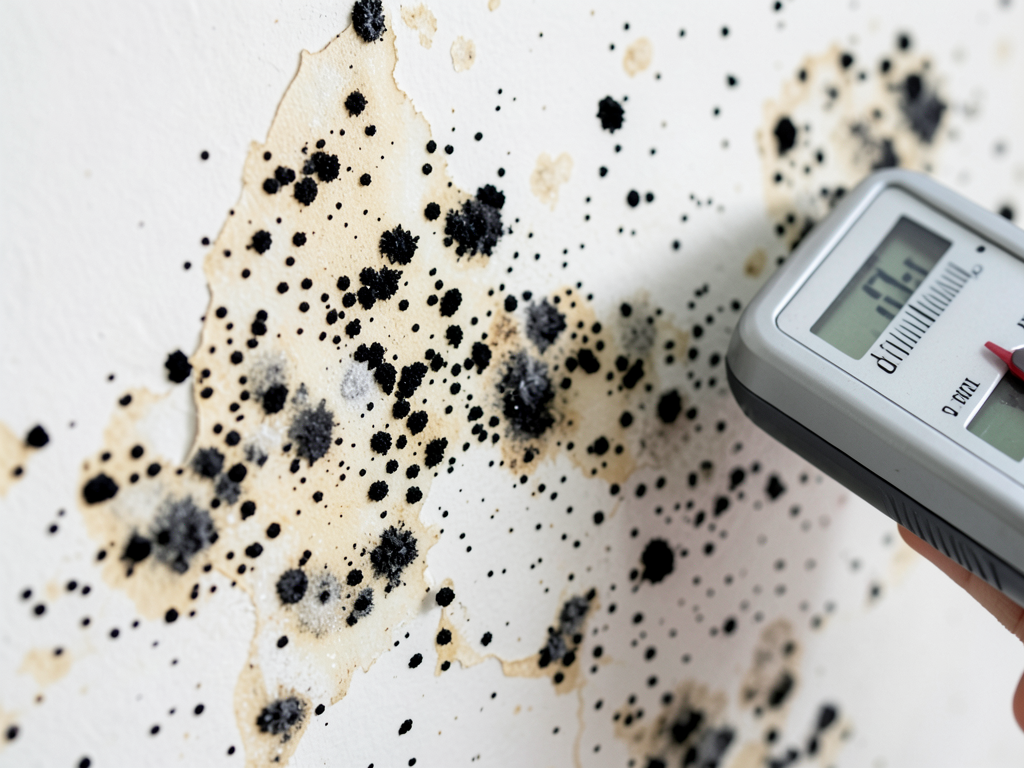
Stachybotrys chartarum, commonly known as black mold, produces mycotoxins that can cause severe health problems. These toxins affect your nervous system, immune system, and respiratory function. Exposure symptoms range from headaches and fatigue to more serious conditions like memory problems and immune system suppression.
Beyond black mold, other species like Aspergillus and Penicillium also pose significant health risks. These molds release spores that trigger allergic reactions, asthma attacks, and respiratory infections. In Durham’s humid environment, these species grow rapidly on water-damaged drywall, wood framing, and insulation materials.
The visual signs of mold growth often appear too late. By the time you see black spots or smell musty odors, extensive colonies have already formed inside wall cavities and under flooring. Professional testing using moisture meters and thermal imaging can detect hidden mold growth before it becomes visible, allowing for early intervention that protects your family’s health.
Call (984) 294-5900 today to schedule your inspection before mold spreads further.
Categories of Water and Bacterial Threats
Not all water damage carries the same health risks. The IICRC classifies water into three categories based on contamination levels, and understanding these categories helps you assess the severity of health threats in your home.
Category 1 water comes from clean sources like broken water supply lines or rainwater. While it poses minimal initial risk, it can become contaminated within 48-72 hours as it mixes with building materials and allows microorganisms to multiply.
Category 2 water, or “gray water,” contains significant contamination from sources like washing machine overflow or dishwasher leaks. This water carries bacteria, viruses, and other microorganisms that can cause illness through skin contact or accidental ingestion.
Category 3 water, known as “black water,” poses the most severe health risks. This includes sewage backups, flooding from rivers or streams, and water that has been standing for extended periods. Black water contains dangerous pathogens including E. coli, Salmonella, Hepatitis A, and various parasites. EPA Mold Resources.
In Durham, flash flooding during summer thunderstorms often introduces Category 3 water into basements and crawl spaces. The Neuse River basin’s drainage patterns can cause rapid water accumulation in low-lying areas, bringing contaminated water that carries soil bacteria and potentially harmful chemicals from roadways and industrial areas.
Professional restoration companies use specific protocols for each water category. Category 3 situations require full personal protective equipment, specialized cleaning agents, and often complete removal of contaminated materials to ensure your home is safe for reoccupation.
Vulnerable Populations
Certain family members face significantly higher health risks from water damage exposure. Understanding these vulnerabilities helps you prioritize remediation efforts and protect those most at risk in your household.
Children under six years old are especially susceptible to mold and bacterial exposure. Their immune systems are still developing, and they breathe more air per pound of body weight than adults. Children also spend more time on the floor where contaminants settle, increasing their exposure through direct contact and inhalation.
Elderly family members often have weakened immune systems and pre-existing respiratory conditions that make them more vulnerable to water damage health effects. Age-related changes in lung function mean they may experience more severe symptoms from the same level of exposure that affects younger adults minimally.
Individuals with compromised immune systems face the highest risks. This includes people undergoing chemotherapy, those with HIV/AIDS, organ transplant recipients, and individuals with chronic respiratory diseases like COPD or severe asthma. For these individuals, exposure to mold spores or bacteria can lead to serious infections that require hospitalization.
Pregnant women should also avoid exposure to water-damaged environments. Some studies suggest that certain mold toxins may affect fetal development, and the stress of living in a contaminated environment can impact both maternal and fetal health.
Pets are often overlooked victims of water damage health risks. Dogs and cats can develop respiratory problems, skin infections, and other health issues from prolonged exposure to mold and bacteria. Their smaller size means they often experience more severe effects from the same environmental conditions.
Raleigh’s Climate Factor: Why Humidity Matters
Raleigh’s climate creates unique challenges for water damage restoration and health protection. North Carolina’s average relative humidity ranges from 65% to 75%, with higher levels during summer months. This moisture in the air prevents water-damaged materials from drying naturally, allowing health hazards to persist and worsen over time.
The combination of heat and humidity accelerates microbial growth. At 80°F with 70% relative humidity, mold can grow twice as fast as it would at cooler temperatures with the same moisture levels. This means water damage in Raleigh homes requires faster response times and more aggressive drying techniques than in drier climates.
Crawl spaces, common in Raleigh’s older neighborhoods, create additional health risks. These enclosed areas trap moisture from the ground and building materials, creating perfect conditions for mold growth and wood rot. Without proper vapor barriers and ventilation, crawl spaces can harbor significant contamination that affects the entire home’s air quality.
Seasonal weather patterns in the Triangle area contribute to water damage risks. Hurricane season from June through November brings heavy rainfall and flooding potential. Winter freeze-thaw cycles can cause pipes to burst, while summer thunderstorms create flash flooding in low-lying areas near Crabtree Creek and other local waterways. Local Experts for Mold Remediation and Water Damage in Five Points.
Modern energy-efficient construction, while beneficial for utility costs, can trap moisture inside homes. Tight building envelopes prevent natural air exchange, allowing contaminants from water damage to concentrate in indoor air. This makes professional dehumidification and air quality testing essential after any water intrusion event.
Professional Mitigation vs. DIY Health Risks
Attempting DIY water damage cleanup can actually worsen health risks and create new hazards. Professional restoration follows strict protocols based on the IICRC S500 Standard, while DIY approaches often miss critical steps that protect your family’s health.
Common DIY mistakes include using household fans that spread mold spores throughout your home, failing to detect hidden moisture in wall cavities, and not properly disinfecting contaminated surfaces. These errors can transform a localized problem into a whole-house contamination issue that requires extensive remediation.
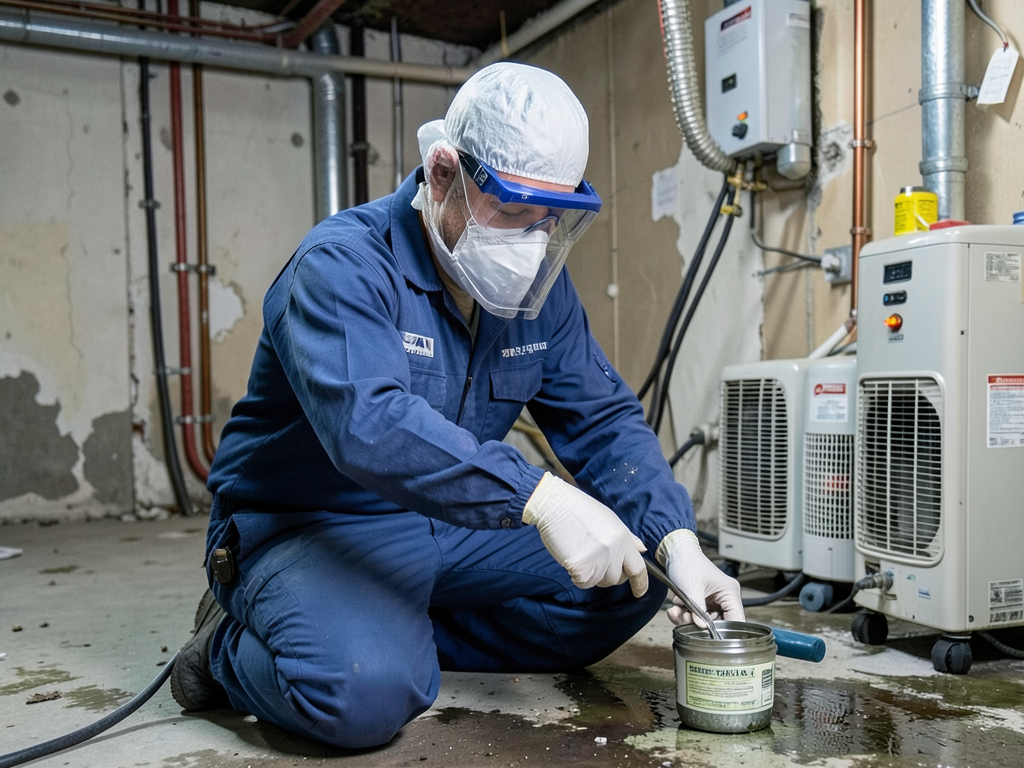
Professional restoration technicians use specialized equipment that homeowners cannot rent or purchase. Industrial-grade dehumidifiers remove moisture more effectively than consumer models. HEPA air scrubbers filter out microscopic particles that standard air purifiers miss. Moisture meters detect water in building materials that feels dry to the touch.
The proper use of personal protective equipment represents another critical difference. Professionals wear respirators, gloves, and protective suits when dealing with contaminated water or mold. DIY cleanup often exposes homeowners to concentrated levels of harmful substances without adequate protection.
Insurance coverage also differs significantly between professional and DIY approaches. Most homeowner’s insurance policies require professional mitigation to qualify for water damage claims. DIY cleanup can void coverage and leave you responsible for all remediation costs if health hazards develop later.
Professional restoration includes documentation that proves your home was properly cleaned and dried. This documentation protects you during future property sales and provides peace of mind that your family is living in a truly safe environment.
Structural Dampness and Volatile Organic Compounds
Beyond mold and bacteria, unresolved water damage creates other health hazards through the release of volatile organic compounds (VOCs) from building materials. When materials stay wet for extended periods, they break down and release chemicals that affect indoor air quality and human health.
Water-damaged drywall, insulation, and wood products release formaldehyde and other VOCs as they deteriorate. These compounds can cause headaches, dizziness, eye irritation, and long-term respiratory problems. The effects are often subtle at first but become more severe as material degradation continues.
Composite building materials are particularly problematic. Particleboard, medium-density fiberboard, and other engineered wood products break down more quickly when wet and release higher concentrations of harmful chemicals. These materials are common in modern construction but become significant health hazards when exposed to water.
The breakdown of adhesives and finishes in water-damaged areas creates additional VOC sources. Carpet adhesives, paint, and flooring materials release chemicals as they break down, contributing to the characteristic “new house smell” that becomes a health hazard when it persists after water damage.
Professional testing can identify VOC levels and determine when they pose health risks. Air quality professionals use specialized meters to measure chemical concentrations and recommend specific remediation steps based on the types and levels of compounds present in your home.
Proper ventilation plays a crucial role in managing VOC levels. However, in Raleigh’s humid climate, simply opening windows may not be sufficient. Professional-grade air exchange systems with HEPA filtration provide the most effective solution for maintaining healthy indoor air quality after water damage.
Long-Term Health Effects of Chronic Exposure
Living with unresolved water damage creates chronic health conditions that develop over months or years of exposure. These long-term effects can persist even after visible water damage is addressed, making early intervention critical for protecting your family’s long-term health.
Chronic respiratory conditions are among the most common long-term effects. Repeated exposure to mold spores and other airborne contaminants can cause permanent changes in lung function, leading to conditions similar to chronic obstructive pulmonary disease (COPD) even in non-smokers.
Neurological symptoms represent another serious concern. Some studies link prolonged mold exposure to memory problems, difficulty concentrating, and mood changes. These symptoms often develop gradually, making them difficult to attribute to water damage without professional assessment.
Immune system suppression is a particularly concerning long-term effect. Chronic exposure to mold toxins can weaken your body’s ability to fight infections, leading to more frequent illnesses and longer recovery times from common ailments.
Children exposed to water damage during critical developmental periods may experience learning difficulties and behavioral changes. The developing nervous system is particularly sensitive to environmental toxins, and early exposure can have lasting effects on cognitive function.
Professional remediation addresses these long-term risks by not only removing visible contamination but also testing for residual toxins and ensuring proper air quality before allowing reoccupation. This comprehensive approach protects against both immediate and chronic health effects.
Emergency Response: What to Do When You Discover Water Damage
Quick action when you discover water damage can significantly reduce health risks and property damage. Following proper emergency procedures helps protect your family while you arrange for professional restoration services.
Step one involves ensuring immediate safety. Turn off electricity to affected areas if water contacts electrical outlets or appliances. Avoid walking through standing water, which may be electrically charged or contain hidden hazards.
Identify the water source and stop it if possible. This might mean turning off the main water supply for plumbing leaks or using sandbags to divert flood water. Stopping the source prevents additional contamination and limits the area affected by health hazards.
Document the damage for insurance purposes before beginning any cleanup. Take photos and videos of all affected areas, including close-ups of water levels and damaged materials. This documentation supports insurance claims and helps restoration professionals assess the scope of work needed.
Remove valuable items from affected areas if it’s safe to do so. This includes documents, electronics, and personal belongings that could be damaged or become sources of contamination if left in wet areas.
Begin basic moisture control by opening windows and using fans for ventilation if weather permits. However, avoid using household fans if you suspect mold growth, as these can spread spores throughout your home.
Call professional restoration services immediately. The first 24-48 hours are critical for preventing mold growth and minimizing health risks. Professional teams can begin emergency mitigation while you work with your insurance company on coverage details.
Don’t wait until health problems develop. Call (984) 294-5900 now for emergency response services.
Prevention Strategies for Durham Homes
Preventing water damage is the most effective way to protect your family’s health. Implementing specific strategies for Durham’s climate and building patterns can significantly reduce your risk of water damage and the associated health hazards.
Regular maintenance of your home’s exterior prevents many common water damage scenarios. Clean gutters and downspouts at least twice yearly to ensure proper drainage away from your foundation. Check that downspouts extend at least five feet from your home to prevent water accumulation near the foundation.
Inspect your roof annually for damaged or missing shingles, especially after severe weather. Roof leaks often go unnoticed until significant damage occurs inside your home. Pay particular attention to flashing around chimneys, vents, and skylights where leaks commonly develop.
Monitor indoor humidity levels using a hygrometer. Keep relative humidity between 30-50% to discourage mold growth while maintaining comfortable living conditions. Use dehumidifiers in basements and crawl spaces where moisture tends to accumulate.
Install water leak detection devices near water heaters, washing machines, and under sinks. These inexpensive sensors can alert you to leaks before they cause extensive damage or create health hazards from prolonged moisture exposure.
Consider crawl space encapsulation for homes with this feature. This process seals the crawl space from ground moisture and outdoor humidity, creating a dry environment that prevents mold growth and protects the air quality in your living spaces above.
Review your homeowner’s insurance policy to understand your coverage for water damage. Many policies have specific exclusions or limitations for certain types of water damage. Understanding your coverage helps you make informed decisions about prevention and mitigation investments.
Testing and Monitoring Indoor Air Quality
Professional indoor air quality testing provides objective data about potential health hazards from water damage. Understanding what testing options exist helps you make informed decisions about when to test and what to look for in your home.
Mold testing involves air sampling and surface sampling to identify mold species and concentrations. Professional inspectors use calibrated equipment to collect samples that are analyzed in laboratories. This testing can detect hidden mold growth before it becomes visible or causes noticeable health symptoms.
Moisture mapping uses infrared cameras and moisture meters to detect water in building materials that cannot be seen visually. This technology identifies areas where mold might grow even though surfaces appear dry, allowing for targeted remediation before health hazards develop.
Volatile organic compound testing measures chemical concentrations in your indoor air. This testing is particularly important after water damage involving building materials that may release harmful chemicals as they break down.
Airborne particle testing measures the concentration of dust, allergens, and other particulates that affect respiratory health. This testing helps establish baseline air quality and identify changes that might indicate developing water damage or mold growth.
Professional testing should always be conducted by certified inspectors who follow industry standards. The American Council for Accredited Certification (ACAC) and Indoor Air Quality Association (IAQA) provide certification for inspectors who understand the complexities of water damage and its health effects.
Regular monitoring after water damage remediation ensures that cleanup efforts were successful and that your home remains safe for occupancy. This ongoing vigilance protects your family’s health over the long term.
Insurance and Legal Considerations
Understanding insurance coverage and legal responsibilities regarding water damage helps you navigate the restoration process while protecting your rights and financial interests. Knowledge of these aspects ensures you receive appropriate coverage for both property damage and health-related expenses.
Most homeowner’s insurance policies cover sudden and accidental water damage but exclude gradual damage or damage from neglected maintenance. This distinction means that a burst pipe is typically covered, while damage from a slow leak that developed over months may be denied.
Document all communication with your insurance company in writing. Keep records of phone conversations, including dates, times, and the names of representatives you speak with. This documentation proves valuable if coverage disputes arise later.
Professional restoration companies often provide insurance specialists who can help navigate the claims process. These specialists understand policy language and can advocate for coverage of both visible damage and hidden contamination that affects your family’s health.
Health-related expenses may be covered under certain circumstances. If water damage creates conditions that require medical treatment, your health insurance may cover these costs. Keep detailed records of all medical visits, treatments, and expenses related to water damage exposure.
North Carolina law requires landlords to maintain rental properties in habitable condition, which includes addressing water damage that creates health hazards. If you’re renting and discover water damage, notify your landlord in writing and document all communication regarding remediation efforts.
Real estate disclosure laws require sellers to disclose known water damage and mold problems. If you’re buying a home, professional inspection can identify existing water damage and help you make informed decisions about necessary repairs and potential health risks.
Community Resources and Support
Dealing with water damage and its health effects can be overwhelming. Raleigh and Durham offer various community resources that provide support, information, and assistance to help you through the restoration process.
The North Carolina Department of Health and Human Services provides information about indoor air quality and mold exposure. Their resources include fact sheets, testing guidelines, and referrals to certified professionals who can assess and address water damage health hazards.
Local health departments in Wake County and Durham County offer guidance on mold exposure and indoor air quality concerns. These departments can provide information about when professional testing is necessary and what remediation steps are appropriate for different types of water damage.
Community action agencies may provide emergency assistance for low-income families dealing with water damage. These programs can help with temporary housing costs, basic remediation supplies, or connections to affordable restoration services.
Support groups for individuals with mold-related illnesses can provide valuable information and emotional support. These groups connect you with others who have experienced similar health challenges and can offer practical advice based on their experiences.
Local universities, including North Carolina State University, sometimes offer extension programs or workshops on home maintenance and indoor air quality. These educational resources can help you prevent water damage and recognize early warning signs before they develop into serious health hazards.
Professional associations like the IICRC maintain directories of certified restoration professionals in your area. These certified professionals have demonstrated expertise in water damage restoration and follow industry standards that protect both your property and your family’s health.
Moving Forward: Creating a Healthy Home Environment
Restoring a home after water damage involves more than just drying materials and repairing structures. Creating a truly healthy living environment requires attention to air quality, moisture control, and ongoing monitoring to ensure your family’s health is protected long-term.
Complete restoration includes addressing both visible damage and hidden contamination. This means removing water-damaged materials that cannot be properly cleaned, treating affected areas with appropriate antimicrobial solutions, and ensuring all moisture is eliminated from building materials.
Air quality improvement should be part of your restoration plan. This may include HEPA air filtration during and after remediation, installation of proper ventilation systems, and use of low-VOC materials during repairs to prevent introducing new chemical hazards into your home.
Moisture management systems help prevent future water damage. This includes proper grading around your foundation, functional gutters and downspouts, and potentially installation of sump pumps or French drains in areas prone to water accumulation.
Regular monitoring ensures your restoration efforts remain effective. This might include periodic moisture readings in crawl spaces, annual professional inspections, and attention to any new signs of water intrusion or mold growth.
Education about water damage prevention and early warning signs empowers you to protect your family’s health. Understanding what to look for and how to respond quickly to potential problems can prevent minor issues from becoming major health hazards.
Professional restoration companies that specialize in water damage understand these comprehensive health protection needs. They don’t just dry your home; they create plans that address all aspects of creating a safe, healthy living environment for your family.
Frequently Asked Questions
How quickly does mold grow after water damage occurs?
Mold can begin growing within 24-48 hours of water exposure, according to the IICRC S500 Standard. This rapid growth timeline makes immediate response critical for preventing health hazards. In Raleigh’s humid climate, mold grows even faster, often becoming visible within 48-72 hours of water exposure.
What are the first signs of health problems from water damage?
Early symptoms include persistent coughing, sneezing, itchy eyes, and runny nose that don’t improve with typical allergy medications. Many people also experience worsening asthma symptoms, frequent headaches, and fatigue. These symptoms often worsen when you’re at home and improve when you’re away, indicating a building-related health issue.
Can I clean up water damage myself without health risks?
Small clean water spills on non-porous surfaces can often be cleaned safely with proper precautions. However, any water damage involving gray or black water, visible mold, or water that has been present more than 48 hours should be handled by professionals. DIY cleanup of contaminated water often spreads hazards throughout your home.
How do I know if my home has hidden water damage?
Signs of hidden water damage include musty odors, unexplained allergy symptoms, peeling paint or wallpaper, warped flooring, and condensation on windows. Professional moisture detection using infrared cameras and moisture meters can identify hidden problems before they cause visible damage or health issues.
Does homeowner’s insurance cover health-related expenses from water damage?
Standard homeowner’s insurance typically covers property damage but not medical expenses. However, if water damage creates conditions requiring medical treatment, your health insurance may provide coverage. Some policies offer additional living expenses if your home becomes uninhabitable due to water damage health hazards.
Protect your family’s health today. Call (984) 294-5900 for professional water damage assessment and restoration. For more information, visit CDC Mold Information.