
How Pool Equipment Leaks Can Cause Foundation Water Damage in North Ridge Homes
Water pooling near your North Ridge home’s foundation from a pool pump leak isn’t just a nuisance—it’s a structural threat. In Raleigh’s red clay soil, even small leaks can saturate the ground, causing hydrostatic pressure that pushes against your foundation walls. This pressure can lead to cracks, settling, and expensive repairs if not addressed immediately. EPA mold prevention guidelines.
The problem compounds because North Ridge homes sit on Cecil soil, a clay-heavy mixture that expands when wet and contracts when dry. This shrink-swell cycle, accelerated by pool chemicals like chlorine, can cause foundation upheaval or settlement within months. The damage often appears as diagonal cracks in walls, doors that stick, or water seeping into basements. North Carolina Department of Transportation.
According to the North Carolina Residential Code Section R405.1, proper drainage must direct water away from foundations at a minimum slope of 6 inches within the first 10 feet. A leaking pool pump violates this code by creating constant moisture against the slab, potentially voiding warranties and insurance coverage. How to Choose the Best Water Restoration Company in Cary Without Getting Ripped Off.
Immediate Steps to Take When You Notice Pool Equipment Leaking
Time matters when pool equipment leaks near your foundation. Here’s what to do right now:
- Shut Off Power
Locate your pool’s circuit breaker and turn off power to the pump. This prevents electrical hazards and stops the leak from worsening.
- Identify the Leak Source
Check the pump’s seal, pipes, and connections. Look for water spraying, dripping, or pooling around the equipment pad. Who to Call for Emergency Water Damage in Downtown Raleigh at 3 AM.
- Stop Water Flow
Close the pool’s main valve if accessible. This prevents backflow from the pool into the leaking system.
- Protect the Foundation
Place temporary barriers like sandbags or plastic sheeting to divert water away from the house. Water Damage Restoration Cary.
- Document Everything
Take photos of the leak, water damage, and any foundation cracks. This documentation helps with insurance claims.
During these steps, monitor for signs of foundation movement. If you notice new cracks widening or doors suddenly sticking, the leak has likely already affected your home’s structure.
Why Raleigh’s Red Clay Makes Foundation Damage Worse
North Carolina’s Cecil soil isn’t like sandy soils that drain quickly. This clay retains moisture, creating a bathtub effect around your foundation. When pool water—containing chlorine and other chemicals—saturates this soil, several problems occur:. Read more about Why Your French Drain Failed and Flooded Your Harrington Grove Backyard.
- Hydrostatic Pressure Buildup Water weighs about 62 pounds per cubic foot. Saturated soil against your foundation creates thousands of pounds of lateral pressure.
- Chemical Degradation Chlorine breaks down concrete and mortar over time, weakening foundation walls from the outside.
- Soil Expansion Clay can expand up to 10% when absorbing water, pushing foundation walls inward or causing slab upheaval.
The North Ridge area, near the Neuse River basin, has additional drainage challenges. Low-lying properties here often sit in areas with poor natural runoff, making pool leaks particularly dangerous. Water can pool for days after rain, and a constant leak keeps the soil saturated year-round.
Detecting Hidden Foundation Damage from Pool Leaks
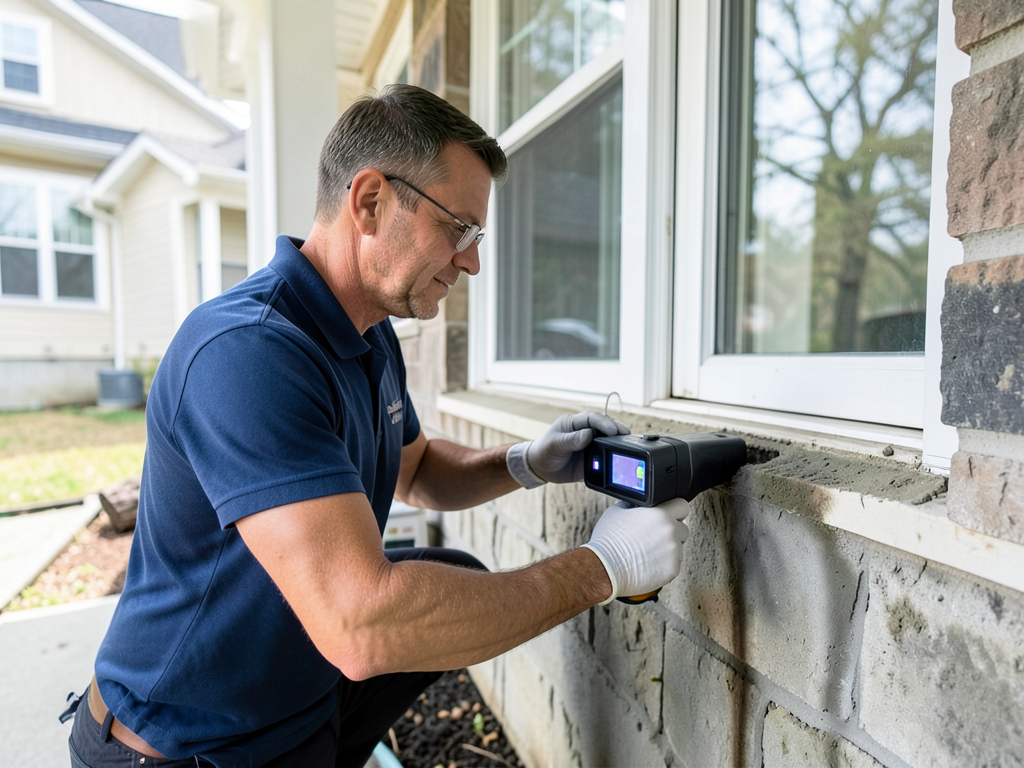
Not all foundation damage from pool leaks is visible immediately. Here’s how professionals use diagnostic tools to find hidden problems:
| Diagnostic Tool | What It Detects | Why It Matters |
|---|---|---|
| Thermal Imaging Camera | Temperature differences indicating moisture behind walls | Finds water migration paths before visible damage appears |
| Moisture Meter (penetrating) | Moisture content at various depths in concrete/slab | Determines if water has reached structural components |
| Level and Laser Measurement | Foundation settling or heaving | Quantifies structural movement that’s not visible to eye |
A typical inspection might reveal that water from a small pump leak travels laterally through the soil, following the path of least resistance toward your foundation. This water can travel 10-15 feet underground before surfacing, making the actual leak source misleading.
Look for these warning signs in your North Ridge home:
- Cracks in drywall that appear suddenly or grow rapidly
- Windows and doors that suddenly stick or won’t close properly
- Uneven floors or sloping that wasn’t there before
- Musty odors in basements or crawl spaces
- Visible efflorescence (white powdery substance) on foundation walls
The Professional Restoration Process for Foundation Water Damage
When pool equipment leaks cause foundation damage, the restoration process follows strict IICRC S500 standards for water damage mitigation. Here’s what happens:
- Emergency Water Extraction
High-powered truck-mounted extractors remove standing water from affected areas. This prevents further absorption into structural materials.
- Structural Drying
Industrial dehumidifiers and air movers create a vortex drying pattern that pulls moisture from concrete, wood, and insulation.
- Moisture Mapping
Technicians use moisture meters and thermal cameras to create a map showing all affected areas, including those not yet visible.
- Antimicrobial Treatment
EPA-registered antimicrobials prevent mold growth in the damp environment created by the leak.
- Foundation Assessment
Structural engineers evaluate if the foundation requires piers, crack injection, or other stabilization methods.
The drying process for concrete foundations typically takes 3-5 days, depending on the extent of saturation. During this time, moisture levels are monitored daily to ensure complete drying before repairs begin.
Insurance Coverage for Pool Leak Foundation Damage in North Carolina
Many North Ridge homeowners are surprised to learn that standard homeowners insurance often excludes foundation damage from long-term leaks. Here’s what typically applies:. Read more about What Homeowners in King’s Grant Need to Know About Hydrostatic Pressure and Foundation Leaks.
| Damage Type | Coverage Status | Key Considerations |
|---|---|---|
| Sudden Pipe Burst | Usually Covered | Must be sudden and accidental |
| Gradual Pool Leak | Often Excluded | Considered maintenance issue |
| Resulting Foundation Damage | Case-by-Case | Depends on policy language and documentation |
Documenting the leak’s discovery date, taking photos of damage progression, and getting professional assessments strengthens your claim. Some policies require proof that you maintained the pool equipment properly before the leak occurred.
Wake County building permits may be required for foundation repairs exceeding certain thresholds. Always check with the Wake County Planning Department before starting major structural work.
Preventing Future Pool Equipment Leaks and Foundation Damage
Prevention is always less expensive than restoration. Here are maintenance steps specific to North Ridge homes:
- Annual Pump Inspection Check seals, bearings, and connections before pool season begins. Replace worn parts immediately.
- Monitor Water Bills Unexplained increases often indicate underground leaks before visible damage occurs.
- Maintain Proper Grading Ensure soil slopes away from your foundation at 6 inches per 10 feet minimum.
- Install French Drains In low-lying North Ridge properties, these redirect groundwater away from foundations.
- Check Pool Chemistry Imbalanced chemicals can accelerate equipment wear and increase leak risk.
Consider installing a water detection system near your pool equipment pad. These systems can alert you to leaks within hours, preventing the thousands of dollars in damage that can occur from even small, unnoticed leaks.
Local Resources for North Ridge Pool and Foundation Issues
North Ridge residents have access to several local resources for pool and foundation concerns: Local Experts for Mold Remediation and Water Damage in Five Points.
- Wake County Building Inspections Handles permits and code compliance for foundation repairs.
- NC State Cooperative Extension Provides soil testing and recommendations for North Carolina clay soils.
- Local Pool Service Companies Many offer leak detection services using specialized equipment.
The North Ridge area’s proximity to Research Triangle Park means many homes have modern construction with better drainage systems, but even these can be overwhelmed by persistent leaks. Regular maintenance remains essential regardless of home age.
Frequently Asked Questions
How long does it take for a pool leak to damage my foundation?
Even small leaks can cause foundation damage within 3-6 months in Raleigh’s clay soil. The constant moisture prevents soil from drying properly, leading to expansion and pressure against foundation walls.
Can I fix a pool pump leak myself without professional help?
Minor seal replacements might be DIY-friendly, but if water is already near your foundation, you need professional assessment. Hidden damage often requires specialized equipment to detect and repair properly.
Will my foundation insurance cover damage from a pool leak?
Coverage depends on your specific policy. Sudden, accidental damage is more likely covered than gradual leaks. Always document the leak discovery and get professional assessments for insurance claims.
How can I tell if my foundation is already damaged?
Look for diagonal cracks in walls, doors that stick, uneven floors, or water in basements. Professional moisture testing can reveal damage before visible signs appear.
What’s the average cost to repair foundation damage from a pool leak?
Costs vary widely based on damage extent, but minor repairs start around $2,000 while major foundation work can exceed $10,000. Early detection significantly reduces repair costs.
Don’t Wait Until It’s Too Late
A pool pump leak near your North Ridge foundation is an emergency that won’t fix itself. The longer you wait, the more expensive and extensive the damage becomes. Raleigh’s clay soil and the area’s drainage patterns create perfect conditions for foundation damage when water is present.
If you notice water pooling near your home’s foundation or suspect a pool equipment leak, call (984) 294-5900 immediately. Our certified technicians use thermal imaging and moisture meters to detect hidden damage and provide comprehensive restoration services that prevent future problems.
Pick up the phone and call (984) 294-5900 before the next storm hits. We’re available 24/7 for emergency response in North Ridge and throughout the Raleigh area. Your foundation’s integrity—and your home’s value—depends on acting now.