
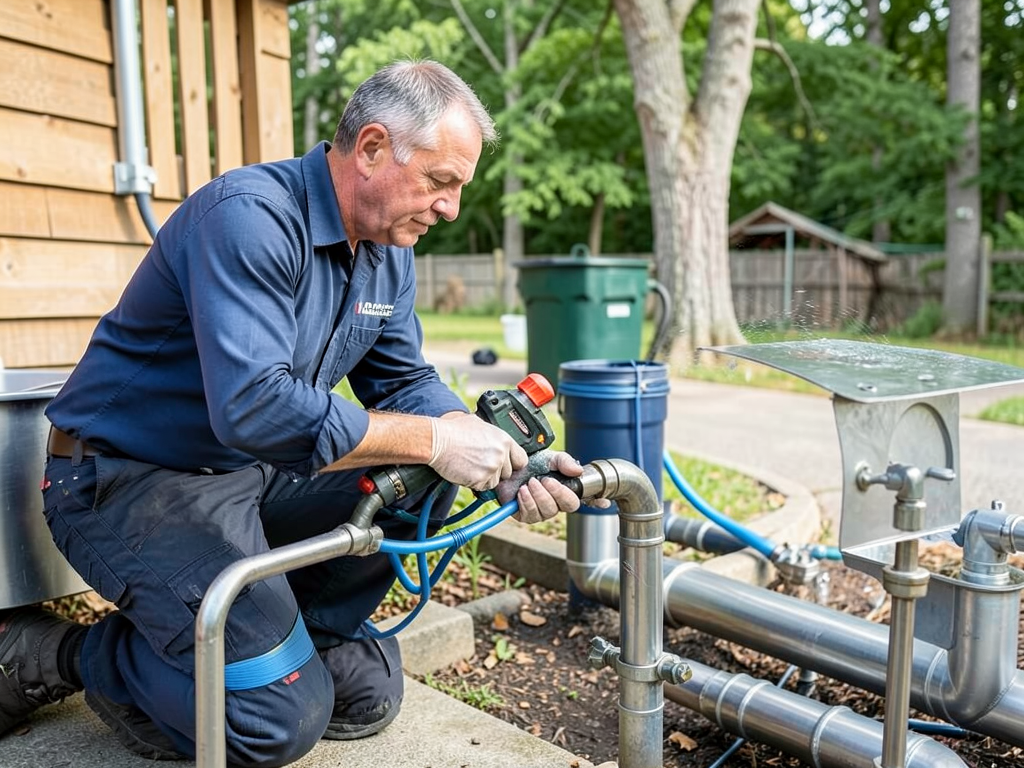
Preventing Winter Pipe Bursts in Your Hasentree Outdoor Kitchen
Your Hasentree outdoor kitchen represents a significant investment in luxury living but Raleigh’s unpredictable winter weather poses a serious threat to exposed plumbing. When temperatures drop below freezing the water inside your outdoor pipes can expand and cause catastrophic bursts that flood your entire outdoor space. Silver Lining Water Damage Restoration has responded to dozens of these emergencies across Wake County and we know that prevention is far cheaper than emergency restoration. Wake County Planning Department.
The first 100 words matter most. Here’s what you need to know right now: Hasentree outdoor kitchens require specific winterization steps because Raleigh’s Zone 7b climate creates unique freeze-thaw cycles that standard plumbing guides don’t address. Your exposed copper pipes under the outdoor sink are most vulnerable when temperatures hover around 30-32°F for several hours. Taking action before the first hard freeze can save you thousands in water damage restoration costs. How to Choose the Best Water Restoration Company in Cary Without Getting Ripped Off.
Why Raleigh Winters Create Unique Outdoor Plumbing Risks
Raleigh’s climate sits in a tricky zone where winter temperatures fluctuate dramatically. The Piedmont region experiences what we call the ‘freeze-thaw cycle’ where daytime temperatures rise above freezing but nighttime temperatures plummet. This constant expansion and contraction puts tremendous stress on outdoor plumbing materials. Unlike northern states where pipes stay frozen for months our local pipes experience repeated cycles that weaken joints and create hairline cracks. North Carolina Emergency Management.
The Hasentree area specifically faces additional challenges because many luxury homes sit on elevated lots with poor natural drainage. When water freezes in these elevated pipes it has nowhere to expand except outward through the pipe walls. Our technicians have found that homes near the Hasentree golf course experience more pipe bursts because the open areas allow cold winds to circulate around outdoor kitchen structures. Who to Call for Emergency Water Damage in Downtown Raleigh at 3 AM.
Materials Needed for Effective Pipe Protection
Choosing the right insulation materials makes the difference between working and failing protection. Here’s what you’ll need for your Hasentree outdoor kitchen:
- Closed-Cell Foam Pipe Sleeves
These provide R-4 insulation per inch and resist moisture absorption. Look for UV-resistant versions since outdoor kitchens get direct sunlight.
- Self-Regulating Heat Tape
Uses about 3 watts per foot and automatically adjusts based on temperature. Essential for pipes in shaded areas under outdoor cabinets.
- Waterproof Insulation Tape
Creates an additional moisture barrier. Critical in Raleigh’s humid climate where condensation can form even in winter.
- Outdoor Rated Shut-Off Valves
Install these inside your home’s basement or crawl space to isolate outdoor lines completely.
Step-by-Step Pipe Winterization Process
Follow these steps exactly to protect your outdoor kitchen plumbing from Raleigh’s winter conditions:
- Locate and Shut Off Main Water Supply
Find the shut-off valve for your outdoor kitchen lines. Most Hasentree homes have these in the basement near the back wall facing the outdoor space.
- Drain All Lines Completely
Open all outdoor faucets and let water drain for at least 15 minutes. Any remaining water will freeze and expand. Water Damage Restoration Cary.
- Install Heat Tape on Vulnerable Pipes
Wrap pipes that run along exterior walls or under cabinets. Use heat tape with built-in thermostats to prevent overheating.
- Apply Foam Insulation Sleeves
Slide foam sleeves over all exposed pipes. Seal joints with waterproof tape. Pay special attention to connections under the sink.
- Protect Appliances and Fixtures
Remove and store outdoor refrigerator water filters. Drain ice makers completely. Cover outdoor sinks with insulated covers. Retail Store Water Cleanup.
The Most Vulnerable Spots in Your Outdoor Kitchen
Through our restoration work in Hasentree we’ve identified the highest-risk areas that homeowners often miss:
Under-Sink Connections – The space beneath your outdoor sink stays coldest because it lacks air circulation. Copper pipes here are often in direct contact with cold cabinet walls.
Refrigerator Water Lines – Ice makers and water dispensers have narrow diameter lines that freeze quickly. The small diameter means ice forms faster than in standard pipes.
Backflow Preventer Valves – These brass valves contain water that can freeze and crack the valve body. They’re often located in exposed areas near the main water connection.
Outdoor Faucet Supply Lines – The pipes leading to your outdoor sink faucet are often run through exterior walls with minimal insulation.
When Prevention Fails: Signs of an Impending Burst
Even with proper insulation you need to know the warning signs of pipe problems. Early detection can prevent major damage:
Reduced Water Pressure – If your outdoor sink suddenly has low pressure it could indicate ice forming inside the supply line. The ice restricts water flow before causing a full burst.
Damp Cabinet Interiors – Moisture inside outdoor kitchen cabinets often indicates a slow leak from a cracked pipe joint. This happens when pipes freeze and thaw repeatedly.
Unusual Sounds – Gurgling or knocking sounds when you turn on outdoor faucets can indicate ice moving through pipes or pressure building behind ice blockages.
Visible Frost or Condensation – Ice crystals on exposed pipes or excessive condensation on cold surfaces indicates temperatures are approaching freezing levels.
Professional Water Damage Restoration in Raleigh
When pipe bursts occur despite your best prevention efforts you need rapid professional response. Silver Lining Water Damage Restoration provides 24/7 emergency service throughout Hasentree and the greater Raleigh area. Our technicians arrive within 60 minutes with commercial-grade equipment to extract water and begin structural drying.
We use moisture mapping technology to find hidden water in walls under flooring and inside cabinet structures. This prevents the secondary damage that occurs when water sits undetected for days. Our structural drying process follows IICRC S500 standards to ensure complete moisture removal and prevent mold growth.
Comparing Insulation Materials for Raleigh’s Climate
| Material Type | R-Value per Inch | Moisture Resistance | UV Resistance | Cost per Foot |
|---|---|---|---|---|
| Closed-Cell Foam | 4.0 | Excellent | Good | $2.50 |
| Fiberglass Wrap | 3.0 | Poor | Poor | $1.25 |
| Rubber Insulation | 2.5 | Good | Excellent | $3.00 |
| Heat Trace Cable | Variable | Excellent | Excellent | $3.75 |
Emergency Flash Freeze Checklist for Hasentree Residents
When Raleigh experiences sudden temperature drops you need immediate action steps:
- Turn Off Outdoor Water Supply
Locate your main shut-off valve immediately. Don’t wait for morning if temperatures are dropping rapidly.
- Open All Faucets
Release pressure in the lines by opening every outdoor faucet to the fully open position.
- Apply Emergency Heat
Use portable heaters or heat lamps near vulnerable pipes. Keep them at least 12 inches from flammable materials.
- Check for Existing Leaks
Inspect under-sink areas for any signs of moisture or dripping. Small leaks can become major floods when ice forms.
Hasentree-Specific Winterization Tips
Based on our restoration work in the Hasentree community we’ve developed neighborhood-specific recommendations:
The elevation changes throughout Hasentree create unique drainage patterns. Homes on higher lots need extra attention to pipes running downhill to outdoor kitchens. Water can collect in low spots and freeze more readily.
Many Hasentree outdoor kitchens feature stone or brick facades that absorb heat during the day but release it slowly at night. This creates temperature variations that stress pipes running through these materials.
The community’s mature tree canopy provides some wind protection but also creates areas where cold air settles in low spots. Pay special attention to pipes in these protected but still cold areas.
Smart Technology for Pipe Protection
Modern freeze detection systems can alert you before pipes burst. These devices monitor temperature and water flow to detect problems early:
Smart Water Sensors – Place these under sinks and near appliances. They detect moisture and send alerts to your phone before major damage occurs.
Temperature Monitors – Wireless sensors track outdoor temperatures and alert you when conditions approach freezing levels.
Automatic Shut-Off Valves – These devices detect unusual water flow patterns that indicate pipe bursts and automatically cut off water supply.
The Cost of Prevention vs. Restoration
Investing in proper winterization costs significantly less than emergency restoration. Here’s what you’re really protecting:
Basic pipe insulation and heat tape installation runs $200-500 depending on your outdoor kitchen size. Professional winterization service with inspection costs $300-600.
Emergency pipe burst restoration starts at $2000-5000 for minor damage and can exceed $15000 for major flooding that affects structures and finishes. This doesn’t include the cost of replacing burst pipes or repairing water-damaged cabinetry.
Local Building Code Requirements
Wake County follows North Carolina plumbing codes that require specific protections for outdoor plumbing. Section 305 of the NC Plumbing Code mandates that outdoor water supply lines be protected from freezing when subject to temperatures below 32°F. North Carolina Department of Insurance.
For outdoor kitchens the code requires either burial below frost line (typically 12 inches in Wake County) or installation of approved freeze protection methods. Heat tape must be UL-listed for the specific application and installed according to manufacturer specifications.
Insurance Considerations for Outdoor Kitchen Damage
Most homeowners insurance policies cover sudden pipe bursts but may exclude damage from lack of maintenance. Document your winterization efforts with photos and receipts to support insurance claims if damage occurs.
Some policies require specific endorsements for outdoor kitchen coverage. Check your policy to ensure your luxury outdoor space is adequately protected against water damage.
Long-Term Maintenance Schedule
Protecting your outdoor kitchen requires ongoing attention throughout the year:
- Spring – Inspect all insulation for damage from winter weather. Check for any signs of leaks that may have developed.
- Summer – Clean and test outdoor fixtures. Replace any damaged insulation before fall.
- Fall – Complete full winterization process before first freeze. Test all shut-off valves.
- Winter – Monitor weather forecasts for freeze warnings. Be prepared to implement emergency measures.
Frequently Asked Questions
What temperature should I worry about for my outdoor kitchen pipes?
Outdoor kitchen pipes in Raleigh need protection when temperatures drop below 32°F but the real danger zone is 30-32°F when freeze-thaw cycles occur. Pipes in shaded or protected areas can freeze at slightly higher temperatures.
How long does it take for outdoor pipes to freeze in Raleigh?
Pipes typically need 4-6 hours of sustained temperatures below 32°F to freeze completely. However shallow pipes or those in poorly insulated areas can freeze in as little as 2-3 hours during severe cold snaps.
Can I use heat tape on PEX pipes in my outdoor kitchen?
Yes but you must use heat tape specifically rated for PEX piping. Standard heat tape can damage PEX materials. Always follow manufacturer guidelines for temperature settings and installation methods.
What should I do if I discover a frozen pipe?
Turn off the water supply immediately and do not attempt to thaw the pipe yourself. Call a professional plumber to safely thaw the pipe and inspect for damage. Thawing a burst pipe can cause major flooding.
How often should I replace outdoor pipe insulation?
Inspect insulation annually and replace every 3-5 years or sooner if you notice deterioration UV damage or moisture accumulation. Raleigh’s humidity accelerates insulation breakdown. High Indoor Humidity Levels.
Does homeowners insurance cover outdoor kitchen pipe bursts?
Most policies cover sudden and accidental pipe bursts but may exclude damage from lack of maintenance. Document your winterization efforts and check your policy for specific outdoor kitchen coverage limits.
Call for Professional Inspection Today
Don’t wait for the first freeze to discover your outdoor kitchen is vulnerable. Silver Lining Water Damage Restoration offers comprehensive outdoor kitchen plumbing inspections throughout Hasentree and the greater Raleigh area. Our technicians will identify potential problem areas and recommend specific solutions for your unique setup.
Call (984) 294-5900 today to schedule your inspection before temperatures drop. Our team will evaluate your current pipe protection identify vulnerable spots and provide a customized winterization plan that protects your investment.
Pick up the phone and call (984) 294-5900 before the next storm hits. Every day you wait increases your risk of costly water damage that could have been prevented with proper preparation.