The Difference Between Industrial Air Movers and Regular Fans for Drying Your Home
When water invades your Raleigh home the clock starts ticking. Within 24 to 48 hours microscopic mold spores begin colonizing damp surfaces turning a simple leak into a major health hazard. Many homeowners grab their box fans from the garage thinking they will solve the problem. But here is the truth: regular fans move air around they do not remove moisture. Industrial air movers are engineered to extract water vapor from building materials while maintaining the precise airflow needed to prevent secondary damage. This article explains the science behind each device and when you need professional-grade equipment. How to Choose the Best Water Restoration Company in Cary Without Getting Ripped Off.
Why Household Fans Fail in Water Damage Scenarios
Standard box fans typically produce 300 to 600 cubic feet per minute of airflow. That sounds impressive until you realize they create only gentle breezes across wet surfaces. In Raleigh’s year-round humidity this gentle airflow does little more than spread moisture into the air. The air becomes saturated and evaporation stops. Worse household fans often lack ground-fault circuit interrupter protection making them dangerous in wet environments. They also lack the static pressure needed to push air through dense materials like subflooring or behind drywall where moisture hides. High Indoor Humidity Levels.
The hidden danger is what we call surface dry syndrome. A fan can make carpet and visible flooring feel dry to the touch while subfloors and wall cavities remain soaked. In Raleigh’s climate with its heavy clay soil and high water table this trapped moisture creates the perfect breeding ground for mold. Professional restoration teams use moisture meters to detect these hidden reservoirs something a box fan cannot accomplish. Who to Call for Emergency Water Damage in Downtown Raleigh at 3 AM.
The Professional Arsenal Air Movers LGR Dehumidifiers and HEPA Scrubbers
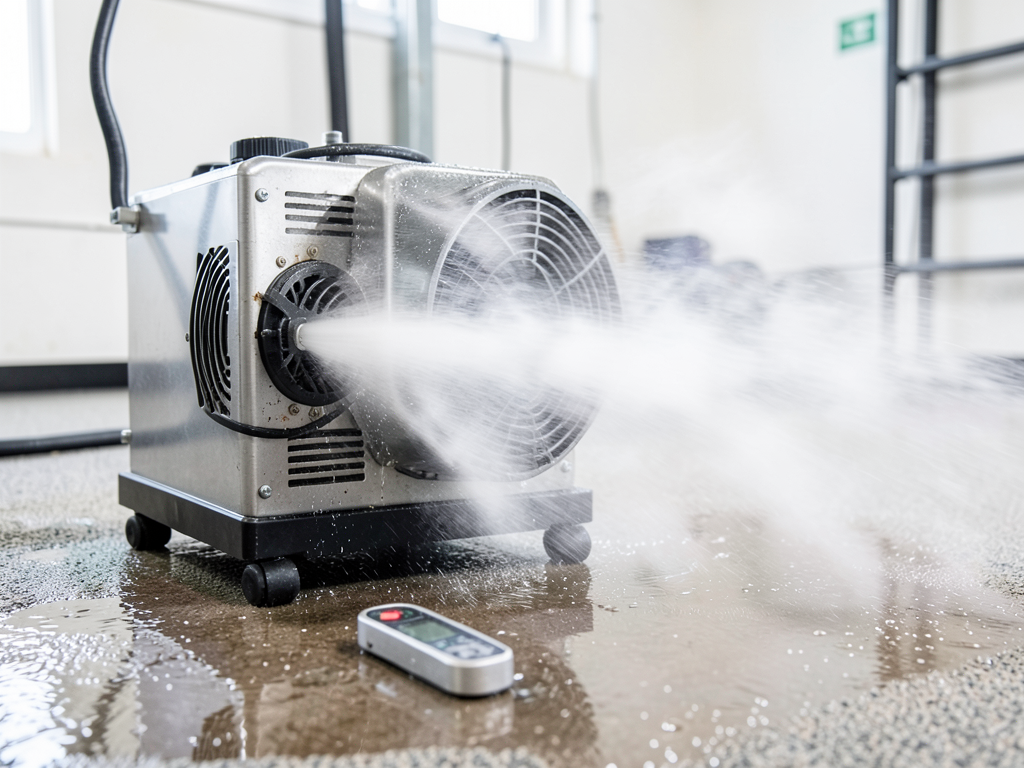
Industrial air movers generate 3 000 to 5 000 CFM and create high-velocity airflow with significant static pressure. This pressure pushes air deep into building cavities forcing moisture out of materials. They work in concert with Low Grain Refrigerant dehumidifiers which can remove 20 to 40 gallons of water per day from the air maintaining optimal drying conditions. HEPA air scrubbers filter out mold spores and other contaminants protecting indoor air quality during the drying process. EPA mold information.
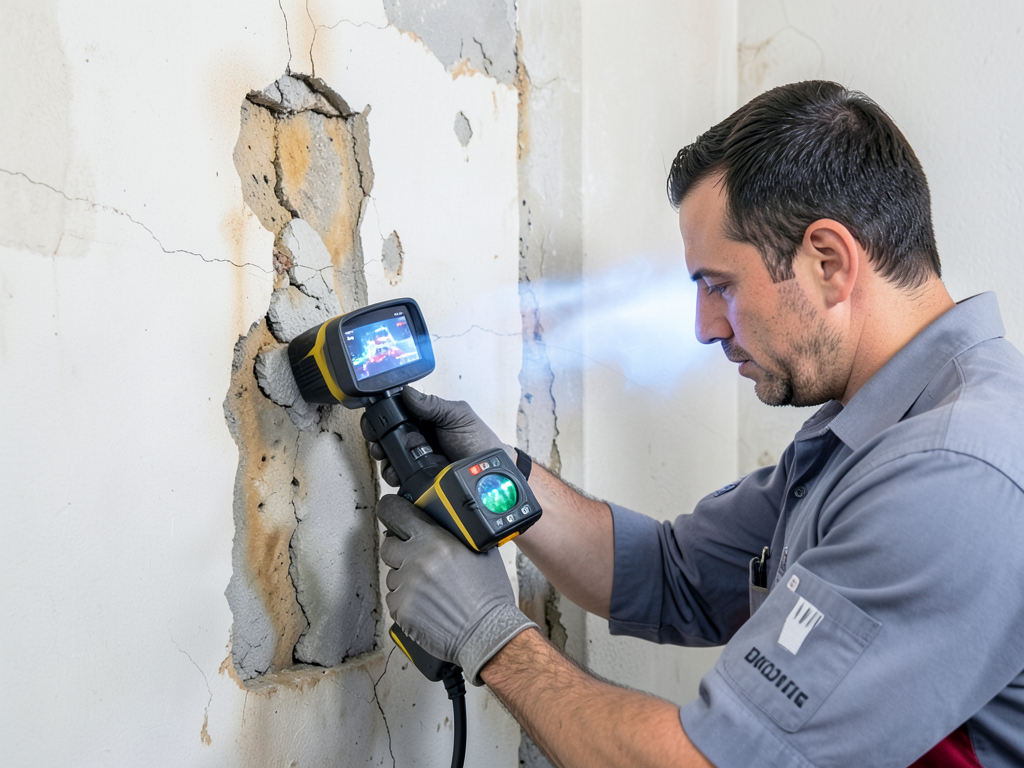
The IICRC S500 Standard for Professional Water Damage Restoration requires maintaining specific temperature humidity and airflow conditions. This is impossible with household equipment. Professional teams use thermal imaging cameras and moisture mapping software to track progress ensuring every cubic foot of affected space meets drying standards before considering the job complete. Water Damage Restoration Cary.
Comparing the Specs CFM Static Pressure and Pint Removal
Here is a side-by-side comparison of typical equipment specifications:
| Equipment Type | Airflow (CFM) | Static Pressure | Daily Moisture Removal |
|---|---|---|---|
| Box Fan | 300-600 | Low | Minimal |
| Centrifugal Air Mover | 3 000-5 000 | High | Supports 20-40 pints dehumidifier |
| LGR Dehumidifier | N/A | N/A | 20-40 gallons per day |
The difference is not just power it is precision. Professional equipment maintains specific drying chamber conditions that prevent warping buckling and microbial growth. In Raleigh’s climate where summer humidity often exceeds 70 percent this precision becomes critical.. Read more about How Long Does the Professional Water Drying Process Actually Take?.
The Hidden Risk of DIY Drying Mold and Secondary Damage
Many Raleigh homeowners discover the cost of DIY drying only after it is too late. Mold remediation can cost five to ten times more than proper water extraction and drying. The EPA warns that mold exposure can cause respiratory issues especially in children and elderly residents. Beyond health risks secondary water damage includes warped hardwood floors delaminated plywood and compromised structural integrity.
Professional restoration teams document every step with moisture readings and thermal imaging creating a paper trail for insurance claims. This documentation often makes the difference between a covered claim and an out-of-pocket expense. Without it insurance companies may argue that inadequate drying caused additional damage.
When is it Safe to Use Box Fans The Threshold Test
There are limited scenarios where household fans are appropriate. If you catch a small spill within the first hour on a non-porous surface and the area is less than 10 square feet you might manage with fans. The key test is the moisture meter reading. Surface materials should read below 15 percent moisture content within four to six hours of drying. If readings remain high or the affected area includes subflooring wall cavities or carpeting the threshold for professional help has been crossed.
Another critical factor is the water category. Clean water from a supply line is less dangerous than gray water from appliances or black water from sewage backups. The latter always requires professional handling due to contamination risks and the need for antimicrobial treatments.
Local Expert Insights Handling Raleigh’s Humidity During Restoration
Raleigh’s climate creates unique challenges for water damage restoration. The city’s location in the humid subtropical zone means summer afternoons often see dew points above 70 degrees. This moisture-laden air makes evaporation slower and creates conditions where even slightly damp materials can develop mold within 24 hours. The heavy Carolina red clay common in Wake County also affects drainage patterns causing water to pool around foundations and seep into crawl spaces.
Professional teams in Raleigh adjust their drying strategies based on seasonal conditions. Winter freeze-thaw cycles can cause pipes to burst while summer thunderstorms may overwhelm drainage systems. The North Carolina Residential Code requires specific vapor barrier installations in crawl spaces but many older homes in neighborhoods like Five Points and inside the Beltline were built before these standards existed making them more vulnerable to moisture intrusion. North Carolina Department of Environmental Quality.
The North Carolina Department of Environmental Quality reports that high indoor humidity levels contribute to dust mite populations and can exacerbate asthma symptoms. Professional drying not only prevents structural damage but also creates healthier indoor environments by maintaining optimal relative humidity between 30 and 50 percent.
Frequently Asked Questions
How long does professional drying take?
Most residential water damage jobs require three to five days of active drying. The exact timeline depends on the extent of saturation building materials and environmental conditions. Professional teams use moisture meters to confirm when materials have returned to normal moisture content typically below 15 percent.
Will my insurance cover professional drying services?
Most homeowner policies cover sudden and accidental water damage including the cost of professional drying. The key is proper documentation. Professional restoration companies provide detailed reports and moisture readings that support insurance claims. Always check your specific policy and report damage promptly.
Can I just open windows instead of using dehumidifiers?
In Raleigh’s humid climate opening windows often introduces more moisture than it removes. Professional LGR dehumidifiers create a controlled drying environment that actively extracts moisture regardless of outdoor conditions. This is especially important during summer months when outdoor humidity levels are highest.
Take Action Before Mold Takes Over
Water damage waits for no one. Every hour of delay increases the risk of mold growth structural damage and costly repairs. If your home has experienced flooding leaks or prolonged moisture exposure do not gamble with box fans. Professional restoration equipment and expertise can save your property and your health. Call (984) 294-5900 today to schedule your inspection. Our IICRC-certified team serves Raleigh Cary Apex and surrounding communities with 24/7 emergency response. The longer you wait the more you risk.