
Who Pays for Water Damage Restoration in an NC State Area Rental?
When water floods your NC State area rental the first question that hits you isn’t about the source—it’s about the bill. In North Carolina the answer depends on what caused the damage and who’s legally responsible under state law. The good news is that clear rules exist. The bad news is that those rules often lead to disputes between tenants and landlords. How to Choose the Best Water Restoration Company in Cary Without Getting Ripped Off.
Under North Carolina General Statute § 42-42 landlords must maintain rental properties in a fit and habitable condition. This includes keeping plumbing systems working and preventing water damage from structural failures. But tenants also have responsibilities—like reporting leaks promptly and avoiding damage through negligence. When water damage strikes the party at fault typically pays for restoration. Who to Call for Emergency Water Damage in Downtown Raleigh at 3 AM.
Let’s break down exactly who pays for water damage restoration in NC State area rentals what your insurance covers and when you need to call in professional help like Silver Lining Water Damage Restoration at (984) 294-5900. Water Damage Restoration Cary.
The Foundation: North Carolina’s Implied Warranty of Habitability
North Carolina law requires landlords to provide and maintain rental properties that are safe clean and fit for human habitation. This legal concept called the “implied warranty of habitability” is found in NCGS § 42-42. It means landlords must keep essential systems like plumbing heating and electrical in good working order. NCGS § 42-42.
When it comes to water damage this warranty means landlords must:. Read more about Fixing Water Damage in Your Mordecai Backyard Studio or Guest House.
- Repair burst pipes and plumbing failures
- Fix roof leaks and exterior water intrusion
- Maintain proper drainage systems
- Address mold growth from structural issues
If water damage results from these landlord responsibilities failing the landlord typically pays for restoration. But if the tenant’s actions or negligence cause the damage the financial responsibility shifts.
When the Landlord is Responsible
Landlords must pay for water damage restoration when the cause falls under their maintenance duties or when structural failures occur. Common scenarios include:
Burst Pipes and Plumbing Failures
When aging pipes burst or plumbing systems fail due to normal wear and tear the landlord bears responsibility. This includes frozen pipes that burst during winter months—a particular concern in older NC State area homes where pipes may not be properly insulated.
Roof Leaks and Exterior Water Intrusion
Water entering through roof leaks damaged siding or faulty windows falls under the landlord’s maintenance obligations. These structural issues require professional repair and restoration typically at the landlord’s expense.
Failed Drainage Systems
When heavy Raleigh rains overwhelm drainage systems or French drains fail causing basement flooding landlords must address these issues. The property’s drainage infrastructure is part of the implied warranty of habitability.
Appliance Failures
Landlords provide and maintain major appliances like water heaters dishwashers and washing machines. When these fail due to age or defect causing water damage restoration costs fall to the landlord.
Mold from Structural Issues
Mold growth resulting from roof leaks plumbing failures or poor ventilation is the landlord’s responsibility to remediate. Under North Carolina law landlords must address mold that affects habitability.
When the Tenant is Responsible
Tenants pay for water damage restoration when their actions or negligence cause the damage. Common scenarios include:
Overflowing Fixtures
Flooding from overflowing sinks tubs or toilets due to tenant misuse falls under tenant responsibility. This includes damage from leaving faucets running or flushing inappropriate items.
Neglected Leaks
When tenants fail to report known leaks promptly they may be held responsible for resulting damage. North Carolina law expects tenants to mitigate damages by notifying landlords of problems.
Unauthorized Modifications
Water damage from tenant-installed fixtures improper DIY plumbing repairs or unapproved appliances falls under tenant liability.
Freezing Damage from Negligence
If tenants fail to maintain adequate heat during winter or leave windows open during freezing weather causing pipes to burst they may be held responsible.
Personal Property Damage
Damage to tenants’ personal belongings from any water source is typically not the landlord’s responsibility unless caused by landlord negligence.
Renter’s Insurance vs. Landlord’s Insurance in Raleigh NC
Understanding the difference between renter’s insurance and landlord’s insurance is crucial for determining who pays for water damage restoration.
| Coverage Type | Landlord’s Insurance | Renter’s Insurance (HO-4) |
|---|---|---|
| Building Structure | ✓ Covers | ✗ Not Covered |
| Personal Belongings | ✗ Not Covered | ✓ Covered |
| Temporary Housing | Limited | ✓ Loss of Use |
| Personal Liability | ✓ Landlord’s Liability | ✓ Tenant’s Liability |
| Water Damage Restoration | ✓ Building Damage | Limited Personal Property |
In Raleigh’s rental market most landlords require tenants to carry renter’s insurance. This protects both parties: landlords maintain coverage for the building structure while tenants insure their belongings and liability.
Steps to Take Immediately After Water Damage in a Raleigh Rental
When water damage occurs quick action prevents further damage and clarifies responsibility. Follow these steps:
- Stop the Water Source – Shut off the main water valve if the damage is from plumbing
- Document Everything – Take photos and videos of all damage before cleanup
- Notify Your Landlord – Send written notice immediately via email or text
- Mitigate Further Damage – Move belongings and place buckets under leaks
- Review Your Lease – Check for specific water damage provisions
- Contact Your Insurance – File a claim if you have renter’s insurance
- Call Restoration Professionals – Get expert assessment at (984) 294-5900
North Carolina law requires tenants to mitigate damages. This means taking reasonable steps to prevent further damage after discovering a problem. Failure to do so could make you partially responsible for additional damage.
How a Raleigh Water Damage Restoration Expert Helps Both Parties
Professional water damage restoration companies like Silver Lining serve as neutral third parties who can assess damage objectively and recommend appropriate restoration steps. Here’s how we help resolve payment disputes:
Damage Assessment and Documentation
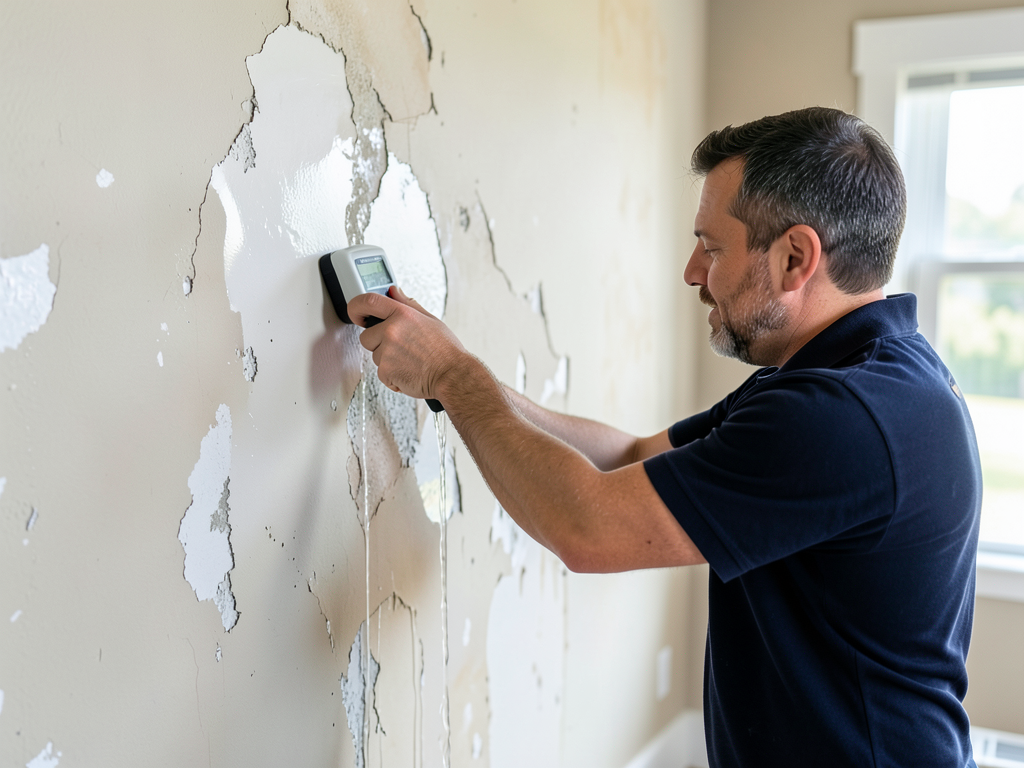
Our technicians use moisture meters thermal imaging and hygrometers to document exactly what’s damaged and the extent of water migration. This objective data helps determine whether damage stems from structural failure or tenant actions.
Insurance Navigation
We work directly with both landlord and tenant insurance companies to facilitate claims processing. Our experience with North Carolina insurance policies helps expedite settlements.
Restoration Planning
Based on our assessment we create detailed restoration plans that specify what repairs are needed and who’s responsible for each component. This clarity prevents disputes over scope of work.
Emergency Mitigation
Quick response prevents secondary damage like mold growth. Our 24/7 emergency service means we can start mitigation immediately protecting both parties’ interests.
Code Compliance
We ensure all restoration work complies with Raleigh building codes and North Carolina regulations protecting both landlord and tenant from future liability.
Common Water Damage Scenarios in NC State Area Rentals
Different water damage situations create different liability scenarios. Here are common scenarios in Raleigh rentals:
Aged Plumbing in Historic Homes
Many rentals near NC State campus are older homes with aging plumbing. When galvanized pipes corrode and burst landlords typically pay for restoration since this represents normal wear and tear.
AC Drain Line Failures
When condensation drain lines clog and cause ceiling leaks responsibility depends on maintenance. If the landlord failed to service the unit they pay. If the tenant blocked the line they may be liable.
Appliance Supply Line Failures
Failed washing machine hoses or dishwasher supply lines create gray area situations. If the landlord provided the appliance they’re typically responsible. If it’s the tenant’s appliance they bear responsibility.
Storm-Related Flooding
Heavy Raleigh thunderstorms can overwhelm drainage systems. If proper drainage was installed and maintained this is typically an insurable event covered by the landlord’s insurance.
Mold Growth Issues
Mold resulting from water damage raises additional concerns. North Carolina doesn’t have specific mold legislation but landlords must maintain habitable conditions. Mold from structural leaks is the landlord’s responsibility to remediate.
Preventing Water Damage Disputes in Raleigh Rentals
Proactive measures can prevent costly disputes over water damage responsibility:
Comprehensive Move-In Documentation
Document the property’s condition with photos and videos before moving in. Note any existing water stains plumbing issues or moisture problems.
Regular Communication
Maintain open communication with your landlord about maintenance issues. Document all communications in writing.
Prompt Reporting
Report leaks moisture or plumbing issues immediately. North Carolina law expects tenants to report problems promptly to avoid liability for additional damage.
Understanding Your Lease
Read your lease carefully for water damage provisions. Some leases specify maintenance responsibilities or insurance requirements.
Maintaining Renter’s Insurance
Even if not required renter’s insurance protects your belongings and provides liability coverage if you accidentally cause damage.
When to Call Silver Lining Water Damage Restoration
Professional restoration services become necessary when:
- Water damage affects structural components
- Moisture levels exceed safe thresholds
- Mold growth is suspected
- Insurance claims need documentation
- Disputes arise over damage extent or cause
Our team at Silver Lining Water Damage Restoration provides 24/7 emergency response throughout the Raleigh area. We understand North Carolina rental laws and work with both tenants and landlords to resolve water damage issues efficiently.
Don’t let water damage disputes escalate. Call (984) 294-5900 today for professional assessment and restoration services. We’ll help you understand your rights document the damage and restore your rental to pre-loss condition. Retail Store Water Cleanup.
Frequently Asked Questions
Can I withhold rent in North Carolina for water damage?
North Carolina law doesn’t allow rent withholding for repairs. Tenants must follow proper legal procedures typically involving written notice and allowing reasonable time for repairs before pursuing other remedies.
How long does a landlord have to fix water damage in NC?
North Carolina law requires landlords to make repairs within a “reasonable time” after receiving notice. For serious water damage affecting habitability this typically means 24-72 hours.
Does renter’s insurance cover water damage from plumbing leaks?
Renter’s insurance typically covers damage to your personal belongings from sudden plumbing failures but may exclude damage from unresolved maintenance issues or flooding.
Can a landlord charge me for water damage restoration?
Yes if you caused the damage through negligence or misuse. However landlords cannot charge for normal wear and tear or structural failures that are their responsibility.
What if my landlord won’t fix water damage?
If your landlord refuses to address serious water damage affecting habitability you may need to pursue legal remedies through Wake County Small Claims Court or consult with Legal Aid of North Carolina.
Does water damage restoration include mold remediation?
Professional water damage restoration often includes mold assessment and remediation if moisture levels created conditions for mold growth. This is typically part of comprehensive restoration services.
How much does water damage restoration cost in Raleigh?
Costs vary widely based on damage extent but professional restoration typically ranges from $1 500 to $7 000 for residential water damage. Insurance often covers restoration when structural failures cause the damage.
Should I stay in a rental with water damage?
Minor water damage may not require relocation but significant flooding or mold issues can make a property unsafe. Document the conditions and communicate with your landlord about temporary housing options.
Water damage in rentals creates stress and uncertainty but understanding your rights under North Carolina law helps you navigate these situations effectively. Remember that prompt action proper documentation and professional assessment are your best tools for protecting your interests.
When water damage strikes your NC State area rental don’t guess about responsibility—get expert help. Call Silver Lining Water Damage Restoration at (984) 294-5900 for 24/7 emergency response and professional restoration services throughout Raleigh and surrounding areas.