
Why Brick Porosity Can Lead to Damp Walls in Your Sunnybrook Home
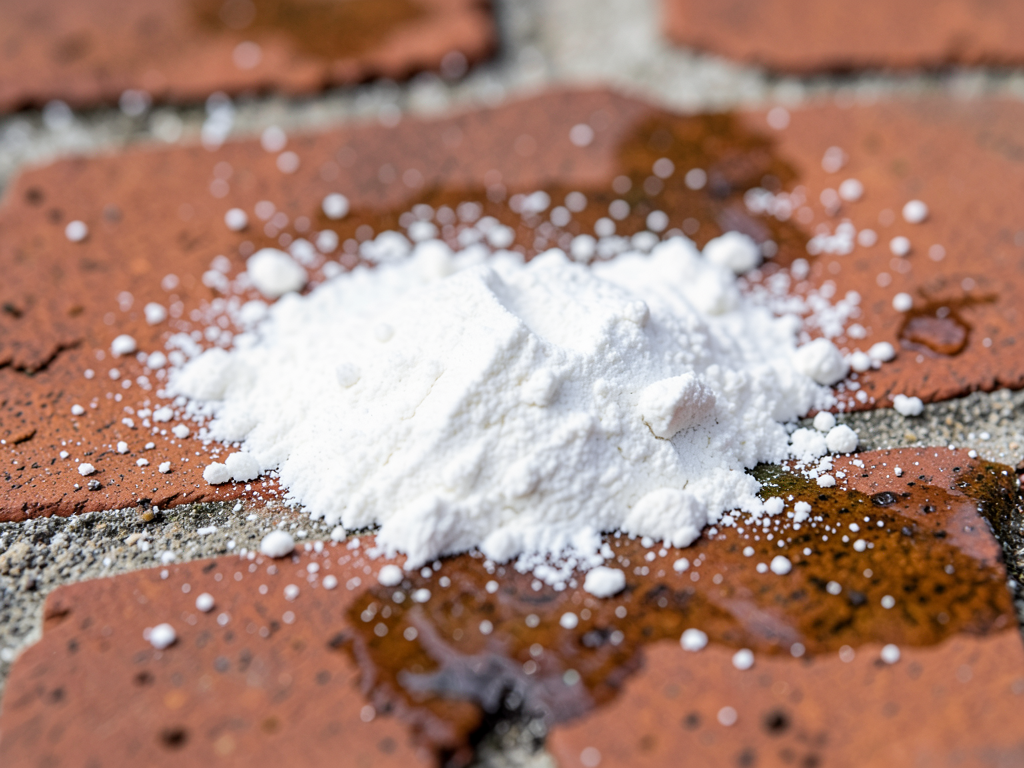
Brick walls in Sunnybrook homes can silently trap moisture, causing damp spots, musty odors, and even structural damage. If you’ve noticed white powdery residue or damp patches on your interior walls, your brick’s porosity might be the culprit. Understanding how water seeps through brick and what you can do about it is essential for protecting your home from costly water damage. How to Choose the Best Water Restoration Company in Cary Without Getting Ripped Off.
How Water Seeps Through Brick Walls
Brick is naturally porous, meaning it contains tiny holes that can absorb water like a sponge. When rain or humidity hits your exterior brick walls, water can penetrate the surface and travel through these pores. In Sunnybrook’s humid climate, this process happens frequently, especially during summer thunderstorms and hurricane season. Who to Call for Emergency Water Damage in Downtown Raleigh at 3 AM.
Water doesn’t just stay on the surface. It can travel through the brick via capillary action, moving from the exterior wall to your interior drywall. This is why you might see damp spots on walls that are nowhere near windows or doors. The moisture travels through the brick structure itself. Water Damage Restoration Cary.
Common signs of water seepage through brick include white powdery residue (efflorescence), damp spots on interior walls, musty odors, and even mold growth. If you notice any of these symptoms, your brick walls may be absorbing more moisture than they should. EPA mold information.
Top 5 Reasons Water Penetrates Brick Masonry
Understanding the specific causes of water penetration helps you identify the right solution for your Sunnybrook home. Here are the most common reasons water gets through your brick walls:
- Porous brickwork – Older bricks or those with high clay content can be more porous than newer, engineered bricks.
- Degraded mortar joints – Over time, the mortar between bricks can crack, crumble, or wash away, creating pathways for water.
- Blocked weep holes – Weep holes are designed to let water escape, but they can become clogged with debris or mortar.
- Hydrostatic pressure from soil – Raleigh’s red clay soil retains moisture and can create pressure against foundation walls.
- Failed window flashing – Improper or deteriorated flashing around windows allows water to enter wall cavities.
The Dangers of Ignoring Brick Water Seepage
Ignoring water seepage through your brick walls can lead to serious problems that extend far beyond cosmetic damage. When moisture remains trapped in your walls, it creates the perfect environment for mold growth, which can spread quickly in Sunnybrook’s humid conditions.
Structural damage is another major concern. Water can weaken mortar joints, cause bricks to spall (crack and break apart), and even compromise your home’s foundation. The freeze-thaw cycle during North Carolina winters can make this damage worse, as water expands when it freezes, creating more cracks and gaps.
Health risks shouldn’t be overlooked either. Mold and mildew growth in damp walls can trigger allergies, asthma, and other respiratory issues. Black mold, in particular, can be toxic and requires professional remediation.
Property value can also take a hit. Home inspectors routinely check for signs of water damage, and visible issues can significantly reduce your home’s market value or derail a sale entirely.
Raleigh-Specific Soil and Drainage Considerations
Sunnybrook, like much of Raleigh, sits on heavy red clay soil that poses unique challenges for brick wall moisture management. This clay soil has poor drainage properties and retains water for extended periods, creating hydrostatic pressure against your foundation walls.
During Raleigh’s rainy seasons, this pressure can force water through even small cracks or pores in your brick walls. The problem is compounded by the area’s average annual rainfall of approximately 46 inches, which is higher than the national average.
Proper drainage is critical in this environment. Without adequate grading, French drains, or gutter systems that direct water away from your foundation, hydrostatic pressure will continue to push moisture through your brick walls. The North Carolina Residential Code actually requires specific drainage measures for homes in areas with poor soil conditions like ours.
Local building practices have evolved to address these challenges. Many newer Sunnybrook homes include enhanced waterproofing measures, but older homes may lack these protections entirely. Local Experts for Mold Remediation and Water Damage in Five Points.
Professional Solutions: How We Stop the Seepage
When DIY solutions aren’t enough, professional water damage restoration services can provide comprehensive solutions for brick water seepage. The process typically begins with a thorough moisture inspection using specialized equipment to detect water within wall cavities.
Professional waterproofing often involves applying silane-siloxane sealants to the exterior brick surface. These sealants penetrate deep into the brick and mortar, creating a water-repellent barrier while still allowing the brick to breathe. This prevents moisture buildup while stopping new water from entering.
Mortar repointing is another critical service. This process involves removing deteriorated mortar and replacing it with fresh, properly mixed mortar that matches your existing brickwork. This not only stops water intrusion but also restores the structural integrity of your walls.
For severe cases, French drain installation around your foundation can redirect groundwater away from your home. Interior vapor barriers may also be installed to prevent moisture from migrating from the soil into your living spaces.
Professional structural drying and dehumidification are essential for addressing existing moisture problems. Using industrial-grade equipment, technicians can remove moisture from wall cavities and prevent mold growth.
When to Call a Raleigh Water Restoration Expert
Not every damp spot requires professional intervention, but certain situations demand immediate expert attention. If you notice persistent damp areas that don’t dry out, visible mold growth, or water stains that keep returning, it’s time to call in the professionals.
Emergency situations include active water intrusion during storms, sudden increases in indoor humidity, or the appearance of mold after water exposure. These situations can worsen quickly and require 24/7 emergency services to prevent further damage. High Indoor Humidity Levels.
Professional moisture inspections are also valuable for peace of mind. Using thermal imaging cameras and moisture meters, experts can detect hidden water problems before they become visible or cause significant damage.
Don’t wait until minor issues become major problems. A free moisture inspection can identify potential issues and provide recommendations for prevention or remediation.
Diagnostic Checklist for Homeowners
Before calling a professional, you can perform a basic inspection to identify potential brick water seepage issues. Here’s what to look for:
| Symptom | What It Means | Action Needed |
|---|---|---|
| White powdery residue on brick | Efflorescence from water evaporation | Monitor, consider sealing |
| Damp spots on interior walls | Water penetration through brick | Professional inspection recommended |
| Cracking or crumbling mortar | Structural deterioration | Repointing needed |
| Musty odors near brick walls | Potential mold growth | Immediate professional assessment |
| Visible mold on walls | Active moisture problem | Emergency remediation required |
Remember that some symptoms may indicate problems beyond brick porosity, such as plumbing leaks or roof issues. A professional can help determine the exact source of moisture.
Understanding Brick Types and Their Porosity
Not all bricks are created equal when it comes to water absorption. The type of brick used in your Sunnybrook home affects how much moisture it can absorb and how quickly it dries out.
Clay bricks, common in older Raleigh homes, tend to be more porous than modern engineered bricks. The firing temperature during manufacturing affects porosity – bricks fired at lower temperatures have more open pores and absorb more water.
Face bricks, designed for exterior use, are typically less porous than common bricks used for structural purposes. However, even face bricks can absorb significant moisture in our humid climate.
The mortar used between bricks also plays a crucial role. Traditional mortar mixes were often more porous than modern formulations, allowing water to pass through more easily. This is why mortar condition is such an important factor in brick wall moisture management.
Preventative Maintenance for Brick Walls
Regular maintenance can prevent many brick water seepage problems before they start. Annual inspections of your brick walls can identify issues like cracked mortar, blocked weep holes, or areas where water pools near your foundation.
Cleaning your brick walls properly is also important. Pressure washing can force water into porous brick, potentially causing more harm than good. Instead, use gentle cleaning methods and ensure the brick dries completely afterward.
Landscaping plays a role too. Keep soil, mulch, and plants at least 6 inches away from your brick foundation to prevent moisture from wicking up into the walls. Ensure your yard slopes away from your home to direct water away from the foundation.
Checking and cleaning your gutters and downspouts regularly prevents water from overflowing and saturating the soil around your foundation. Extend downspouts at least 5 feet from your home for optimal drainage.
The Science Behind Water Movement in Brick
Water movement through brick follows specific physical principles that explain why some walls stay dry while others become saturated. Understanding these principles helps you make informed decisions about prevention and remediation.
Capillary action is the primary mechanism by which water moves through brick. This process allows water to travel upward through tiny pores against gravity, which is why you might see damp spots several feet above ground level.
Vapor pressure differentials also drive moisture movement. When the outside air is more humid than the inside air (common in Raleigh summers), moisture naturally migrates from outside to inside through your brick walls.
Temperature differences create another driving force. When warm, moist air contacts cooler brick surfaces, condensation occurs, adding to the moisture load within the wall system.
Understanding these principles explains why simple surface treatments often fail – they don’t address the fundamental physics of how water moves through building materials.
Local Building Code Requirements
The North Carolina Residential Code includes specific requirements for moisture management in brick veneer construction. Section R703 addresses exterior wall covering and includes provisions for weep holes, flashing, and drainage planes.
Local amendments to the building code in Raleigh may include additional requirements based on our specific climate and soil conditions. These often address issues like foundation waterproofing and drainage systems that are particularly important in areas with clay soil.
Professional restoration companies stay current with these code requirements to ensure all work meets or exceeds local standards. This is especially important for warranty purposes and when selling your home.
Insurance companies also reference building codes when evaluating claims. Work that doesn’t meet current standards may not be covered, making professional compliance essential.
Cost Factors for Professional Remediation
The cost of addressing brick water seepage varies significantly based on the extent of the problem and the solutions required. Simple sealant applications might cost a few hundred dollars, while comprehensive foundation waterproofing can run into the thousands.
Factors affecting cost include the size of the affected area, the type of brick and mortar, accessibility of the problem areas, and whether structural repairs are needed. Emergency services typically carry premium pricing due to the immediate response required.
Insurance coverage is another consideration. While sudden water damage from burst pipes is often covered, gradual seepage through brick may be considered a maintenance issue and excluded from coverage. However, if the seepage leads to mold or structural damage, some policies may provide coverage.
Professional assessments typically include detailed cost estimates and can help you prioritize repairs based on urgency and budget constraints.
Frequently Asked Questions
Why are my brick walls feeling damp even when it hasn’t rained?
Damp walls can result from high humidity levels, poor ventilation, or moisture migrating from the soil through your foundation. Even without recent rain, Raleigh’s humid climate can cause moisture to accumulate in brick walls.
Can I seal my brick walls myself to prevent water seepage?
While DIY sealants are available, professional application ensures proper coverage and uses commercial-grade products that penetrate deeper into the brick. Improper sealing can trap moisture inside walls, causing more damage.
How long does professional brick waterproofing last?
Quality professional waterproofing typically lasts 5-10 years, depending on weather exposure and the specific products used. Annual inspections can help determine when reapplication is needed.
Will sealing my brick change its appearance?
Modern silane-siloxane sealants are designed to be invisible once cured. They won’t change your brick’s color or create a glossy finish like some older sealants might.
Is efflorescence on my brick dangerous?
Efflorescence itself isn’t dangerous, but it indicates water is moving through your brick walls. The underlying moisture problem should be addressed to prevent more serious damage.
How can I tell if moisture is coming from inside or outside my walls?
Professional moisture meters can determine the direction of moisture movement. Generally, if the problem worsens during or after rain, the source is likely external.
Take Action Before Minor Moisture Becomes Major Damage
Water seepage through brick walls is a progressive problem that only gets worse over time. What starts as minor dampness can escalate to mold growth, structural damage, and costly repairs if left unaddressed.
The humid Raleigh climate and clay soil conditions in Sunnybrook create a perfect storm for brick moisture problems. Understanding the causes and recognizing the warning signs puts you ahead of the curve in protecting your home.
Professional assessment can identify hidden problems before they become visible disasters. With proper diagnosis and treatment, you can stop water seepage and protect your home’s value and your family’s health.
Don’t let brick porosity compromise your home’s integrity. Call (984) 294-5900 today to schedule your free moisture inspection. Our certified technicians serve Sunnybrook and all of Raleigh with 24/7 emergency response for water damage situations.
Pick up the phone and call (984) 294-5900 before the next storm hits. Your home deserves professional protection from water damage, and we’re here to provide it.
Remember, when it comes to water damage, an ounce of prevention is worth a pound of cure. Let us help you keep your Sunnybrook home dry, safe, and valuable for years to come. For more information, visit FEMA flood protection guidelines.