
Why Luxury Vinyl Plank Flooring Reacts Differently to Water Leaks Than Real Wood
Water damage behaves completely differently under Luxury Vinyl Plank (LVP) than under real hardwood flooring. LVP’s waterproof surface creates hidden moisture traps while hardwood’s porous structure allows for drying and restoration. In Raleigh’s humid climate, these differences become critical for both salvageability and mold prevention. This guide breaks down the science, restoration options, and local factors that determine whether your floors can be saved. How to Choose the Best Water Restoration Company in Cary Without Getting Ripped Off.
Luxury Vinyl Plank (LVP): The ‘Waterproof’ Myth
LVP manufacturers market their products as waterproof but this only applies to the surface layer. When water penetrates through joints or edges, it becomes trapped between the vinyl planks and the subfloor. In Raleigh homes, this creates a perfect environment for mold growth because the moisture cannot evaporate through the non-porous material. Who to Call for Emergency Water Damage in Downtown Raleigh at 3 AM.
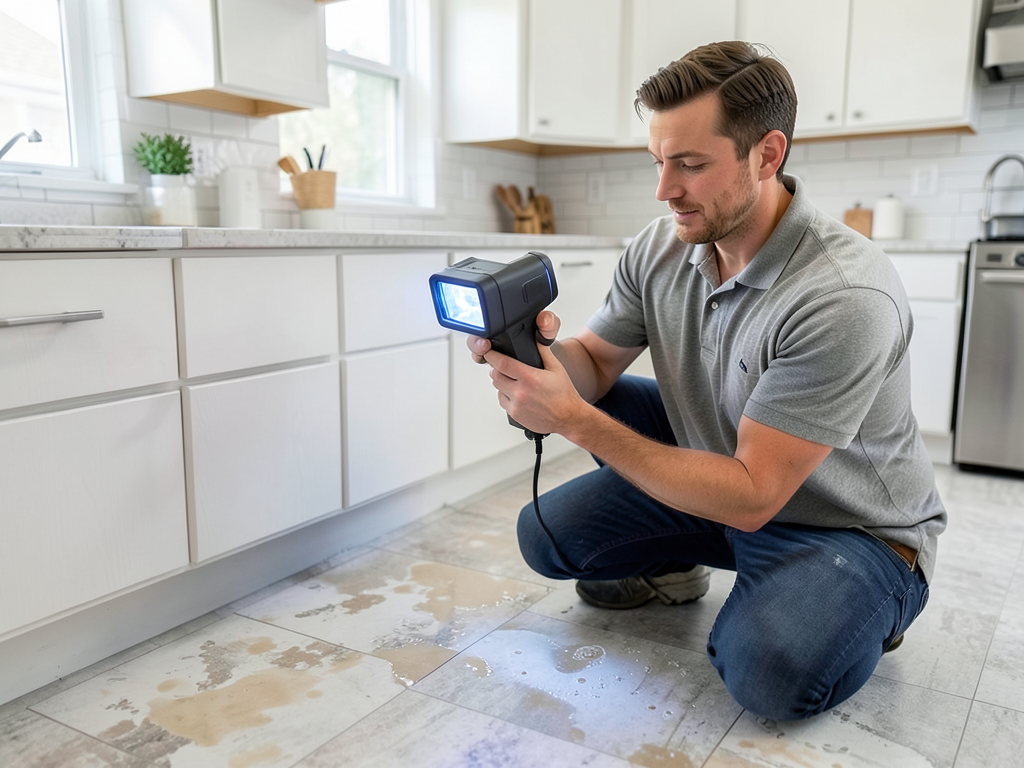
Water trapped under LVP often spreads laterally across the subfloor before showing visible signs. A small kitchen leak might affect an entire room before homeowners notice. The click-lock installation system, while convenient, creates microscopic channels where moisture travels beneath the surface. Silver Lining Restoration technicians use thermal imaging cameras to detect these hidden moisture patterns that standard moisture meters miss. Water Damage Restoration Cary.
Common LVP failure patterns in Raleigh include: water traveling under cabinets through gaps in the underlayment, moisture wicking up from concrete slab foundations during heavy rains, and humidity causing adhesive failure in older installations. The North Carolina Residential Code requires vapor barriers under slab foundations but many older Raleigh homes lack proper installation.
Hardwood Flooring: Cupping, Crowning, and Salvage Potential
Hardwood flooring responds to moisture through physical changes that actually help with restoration. When wood absorbs water, it expands and creates cupping – the edges lift while the center stays flat. This visible change serves as an early warning system. The hygroscopic nature of wood means it reaches equilibrium with surrounding humidity levels, making it possible to dry using industrial dehumidifiers and air movers.
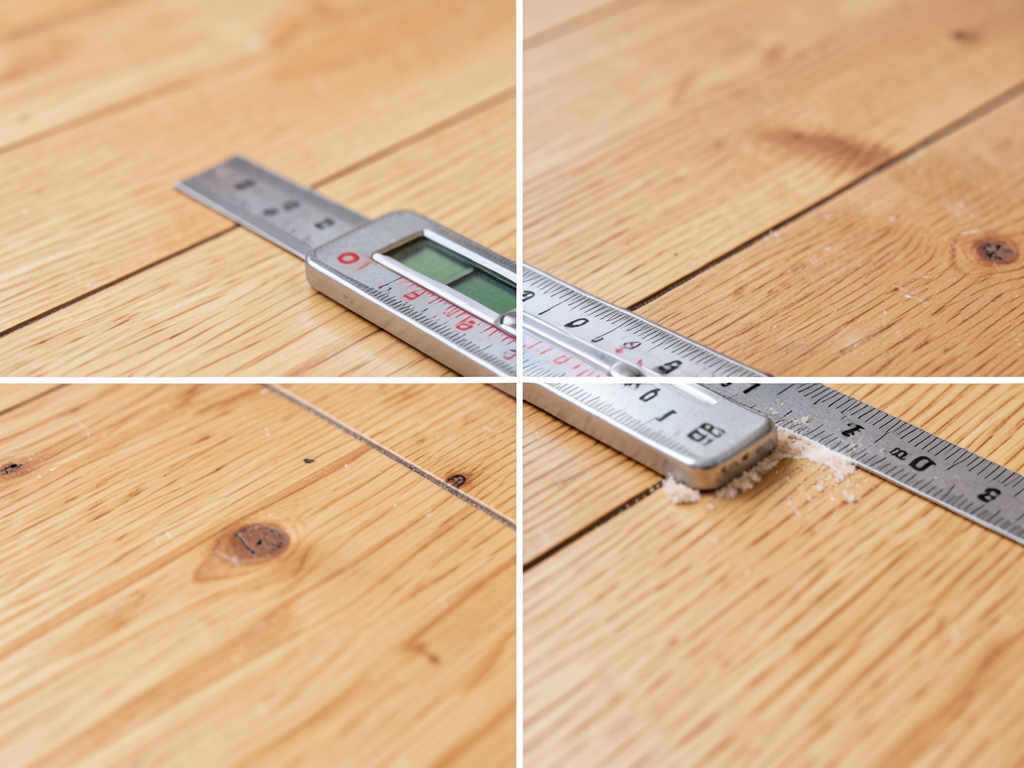
Solid hardwood typically shows cupping within 24-48 hours of water exposure. Engineered hardwood may take longer but often shows less severe damage due to its layered construction. The North Carolina climate, with average relative humidity around 70%, affects how quickly wood floors reach equilibrium moisture content. Professional restoration teams use moisture meters reading at 1/4-inch intervals to track drying progress.
Restoration success depends on several factors: water category (clean vs contaminated), exposure time, wood species, and finish type. Oak and maple floors respond better to drying than softer woods like pine. Factory-finished floors with polyurethane coatings resist moisture better than site-finished surfaces. Silver Lining Restoration follows IICRC S500 standards for water damage restoration, which specify drying goals based on the wood’s equilibrium moisture content. IICRC S500 Standards.
Head-to-Head Comparison: Salvageability, Costs, and Time
| Factor | LVP Flooring | Hardwood Flooring |
|---|---|---|
| Initial Response Time | 48-72 hours before visible signs | 24-48 hours with cupping visible |
| Salvage Rate in Raleigh | 15-20% with immediate response | 70-85% with proper drying |
| Average Restoration Time | 3-5 days (tear out and replace) | 5-7 days (dry in place) |
| Cost per Square Foot | $8-12 (replacement only) | $4-7 (drying and refinishing) |
| Mold Risk Level | High (trapped moisture) | Medium (breathable surface) |
The cost difference becomes significant in larger areas. A 500-square-foot water damage incident might cost $4,000-6,000 for LVP replacement versus $2,000-3,500 for hardwood restoration. These figures reflect Raleigh market rates for 2026 and include labor, materials, and equipment usage.
The Raleigh Factor: Local Climate and Drying Challenges
Raleigh’s climate creates unique challenges for water damage restoration. The city experiences 44 inches of annual rainfall with summer humidity levels often exceeding 85%. This high ambient moisture means restoration teams must achieve lower relative humidity levels inside affected areas to create proper drying conditions. Standard drying goals of 40% relative humidity become difficult to achieve during July and August.
The clay soil common in the Research Triangle area affects foundation moisture levels. When clay becomes saturated, it expands and can push moisture through slab foundations or create hydrostatic pressure on crawl space vapor barriers. Homes in North Hills and Brier Creek often sit on soil with higher clay content, requiring additional drying time after water incidents. What to Do When Your Brier Creek Office Floods Over the Weekend.
Seasonal factors also play a role. Hurricane season (June through November) increases the likelihood of roof leaks and flooding. Winter freeze-thaw cycles can cause pipe bursts, particularly in older homes in Five Points and inside the Beltline where copper plumbing may have degraded over decades. Silver Lining Restoration maintains 24/7 emergency response specifically for these seasonal patterns.
When to Call a Professional Restoration Team
Certain water damage situations require immediate professional intervention regardless of flooring type. Category 2 water (gray water from appliances) and Category 3 water (black water from sewage) both require specialized handling per IICRC S500 standards. The presence of visible mold, musty odors, or water that has been standing for more than 24 hours indicates the need for professional assessment.
Diagnostic tools used by professional teams include: infrared thermal cameras to detect temperature variations indicating moisture, penetrating and non-penetrating moisture meters calibrated for different materials, and hygrometers to measure relative humidity in affected spaces. These tools provide objective data that insurance companies require for claims processing.
Warning signs that indicate structural damage include: warping in walls or ceilings below the affected floor, buckling baseboards, or soft spots when walking across the floor. These symptoms suggest water has penetrated beyond the surface layer and may require subfloor replacement. Silver Lining Restoration provides free initial assessments using these diagnostic tools to determine the extent of damage.
Insurance considerations vary by flooring type. Most policies cover sudden water damage but may exclude flood damage or gradual leaks. Hardwood floors often qualify for repair coverage while LVP typically requires full replacement coverage. Our team works directly with insurance adjusters to document damage using industry-standard moisture mapping techniques. EPA Mold Guidelines.
Frequently Asked Questions
Can LVP flooring be dried in place like hardwood?
No. LVP’s non-porous surface prevents moisture from escaping through evaporation. Water trapped beneath LVP requires removal of the flooring to access and dry the subfloor properly. Attempting to dry LVP in place usually results in mold growth and subfloor deterioration.
How long does water need to sit before hardwood becomes unsalvageable?
Clean water exposure under 48 hours has a high salvage rate for hardwood. After 72 hours, the risk of permanent warping increases significantly. Contaminated water reduces salvage time to 24 hours or less due to health hazards and material degradation.
Does Raleigh’s humidity affect drying times?
Yes. Raleigh’s average relative humidity of 70% means restoration teams must achieve much lower humidity levels inside affected areas to create proper drying conditions. This often requires larger dehumidifiers and longer drying times compared to drier climates.
Should I remove wet flooring myself to save money?
DIY removal often causes more damage and can void insurance coverage. Professional teams use proper containment to prevent mold spore spread and have equipment to test for moisture in areas you cannot see. Call (984) 294-5900 for a professional assessment before attempting removal.
- Stop the Water Source
Shut off the main water valve or stop the leak source immediately to prevent further damage.
- Remove Standing Water
Use wet vacuums or mops to remove surface water, but avoid walking on potentially weakened floors.
- Call for Professional Assessment
Contact Silver Lining Restoration at (984) 294-5900 for immediate diagnostic testing and moisture mapping.
Professional Restoration Makes the Difference
The science of water damage restoration requires understanding material properties, local climate factors, and proper drying techniques. LVP and hardwood require completely different approaches because their fundamental material properties create opposite moisture behaviors. In Raleigh’s challenging climate, these differences become even more pronounced. Local Experts for Mold Remediation and Water Damage in Five Points.
Silver Lining Restoration brings 15+ years of local experience to every water damage situation. Our technicians understand how Raleigh’s humidity, soil conditions, and seasonal patterns affect restoration outcomes. We use industrial-grade equipment and follow IICRC S500 standards to ensure proper drying and prevent secondary damage like mold growth.
Time matters in water damage situations. The longer water sits, the more damage occurs and the higher the restoration costs become. Whether you have LVP or hardwood flooring, early professional intervention provides the best chance for successful restoration.
Don’t let water damage compromise your home’s structure and your family’s health. Call (984) 294-5900 today to schedule your inspection. Our team responds 24/7 to emergencies throughout Raleigh, Cary, Apex, and the surrounding Research Triangle area. When water strikes, Silver Lining Restoration provides the expertise and rapid response you need to protect your investment.