
What to Do When Your Brier Creek Office Floods Over the Weekend
Finding your Brier Creek office under water on a Monday morning can feel overwhelming. The first 24 hours after water damage are critical for minimizing structural damage and preventing mold growth. This guide walks you through immediate actions to take, what to expect from professional restoration, and how to protect your business from long-term losses.. Read more about Finding Reliable 24 Hour Water Damage Restoration in Wake Forest.
Immediate Actions to Take When You Discover Office Flooding
The moment you discover standing water in your office, safety comes first. Turn off electricity to affected areas if you can access the breaker panel safely. Document everything with photos before touching anything—this will be crucial for insurance claims. Remove small electronics and important documents from wet surfaces, but avoid entering rooms with significant water depth or visible ceiling sagging.. Read more about Who to Call for Emergency Water Damage in Downtown Raleigh at 3 AM.
Time is your enemy. Water spreads rapidly through commercial spaces, wicking up drywall and seeping under flooring within hours. In Brier Creek’s humid climate, moisture retention accelerates mold growth potential. The longer water sits, the more extensive and expensive the restoration becomes.. Read more about Repairing Water Damaged Hardwood Floors in North Raleigh Homes.
Common Causes of Weekend Office Flooding in Brier Creek
Brier Creek’s mix of modern office parks and older commercial buildings creates unique vulnerabilities. Many weekend floods result from failed water heaters, burst pipes from temperature fluctuations, or malfunctioning sprinkler systems. The area’s clay-heavy soil can also cause foundation pressure that leads to pipe failures during heavy rains.
Commercial buildings in Brier Creek often have complex plumbing systems that run through multiple floors. A leak on an upper level can cascade down through ceilings and walls, affecting multiple tenants before anyone notices. This is especially problematic in buildings near Brier Creek Commons, where retail and office spaces share infrastructure.
Professional Water Damage Assessment Process
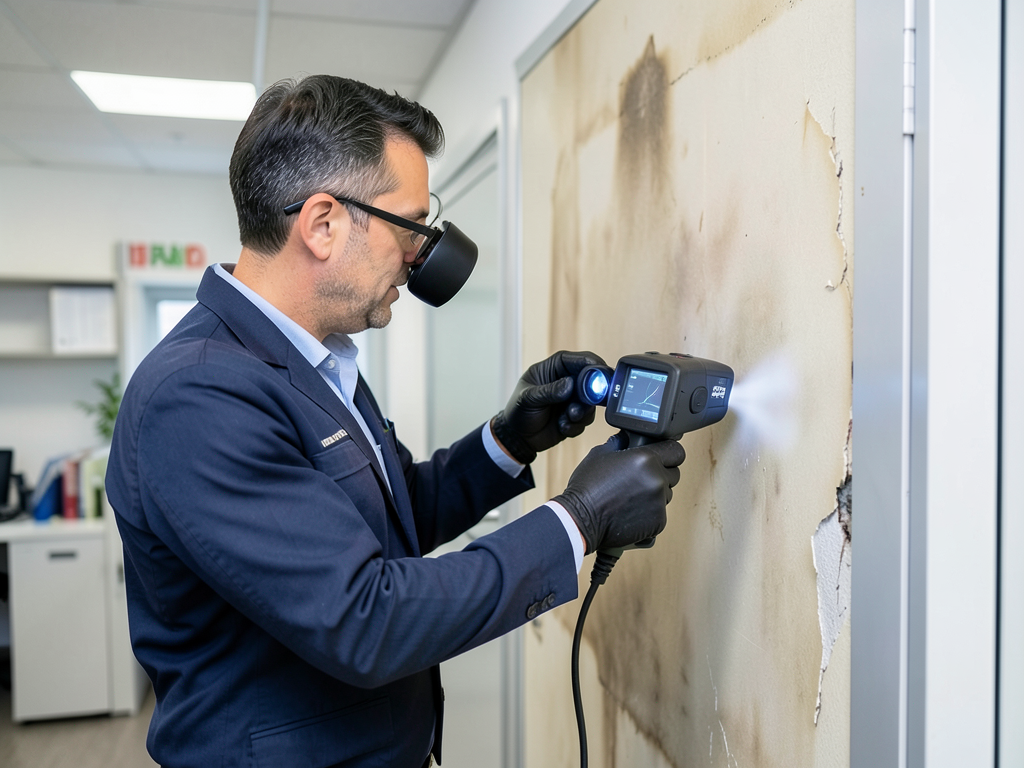
Professional restoration technicians arrive with specialized equipment to assess the full extent of damage. They use moisture meters to detect water behind walls and under flooring—areas you cannot see. Thermal imaging cameras identify temperature differences that indicate moisture pockets, while hygrometers measure air humidity levels throughout the space.
Technicians categorize water damage according to IICRC S500 standards. Category 1 water comes from clean sources like broken water supply lines. Category 2 involves contaminated water from appliances or sump pump failures. Category 3 represents highly contaminated water from sewage backups or flooding, requiring extensive safety protocols and disposal procedures.
Water Extraction and Drying Equipment Used in Commercial Restoration
Commercial water restoration requires industrial-grade equipment. Truck-mounted extraction units remove thousands of gallons of water quickly, while submersible pumps handle standing water in basements or lower levels. High-capacity air movers create airflow patterns that accelerate evaporation across large floor areas.
Commercial dehumidifiers in restoration settings process 100-300 pints of water per day, compared to residential units that handle 30-70 pints. Desiccant dehumidifiers excel in Brier Creek’s humid conditions, pulling moisture from the air even when temperatures drop overnight. These machines run continuously for days, monitored by technicians who track progress with moisture meters.
Commercial vs. Residential Water Damage Restoration
| Factor | Commercial Restoration | Residential Restoration |
|---|---|---|
| Response Time | Emergency 24/7 service required | Standard business hours often sufficient |
| Equipment Scale | Industrial-grade, multiple units | Residential-grade equipment |
| Documentation | Detailed insurance-ready reports | Basic damage assessment |
| Business Interruption | Critical concern, phased restoration | Minimal impact |
| Building Codes | Must comply with commercial standards | Residential code compliance |
The Drying Process: What Happens Behind the Scenes
Proper drying requires controlling temperature, humidity, and airflow simultaneously. Technicians create a drying chamber by sealing off affected areas and manipulating environmental conditions. They monitor psychrometric conditions—the relationship between temperature and humidity—to optimize evaporation rates.
In Brier Creek’s climate, where outdoor humidity often exceeds 70%, controlling indoor conditions becomes critical. Without proper dehumidification, moisture migrates from wet to dry areas, causing secondary damage. The drying process typically takes 3-5 days for commercial spaces, depending on materials and contamination levels.
Insurance and Documentation Requirements
Commercial insurance policies have specific requirements for water damage claims. Most require prompt notification and professional mitigation to prevent further damage. Restoration companies document every step with photos, moisture readings, and detailed reports that insurance adjusters need for claim approval.
Keep all receipts and communications related to the incident. Many policies have time limits for filing claims, and documentation gaps can result in denied coverage. Your restoration company should work directly with insurance providers, providing the technical documentation they need to process claims efficiently.
Preventing Future Office Flooding in Brier Creek
Regular maintenance prevents most water damage incidents. Schedule annual inspections of water heaters, plumbing systems, and roof drainage. Install water detection sensors near high-risk areas like break rooms, bathrooms, and mechanical rooms. These devices alert you to leaks before they become major problems.
Consider upgrading to smart building systems that monitor water usage patterns and shut off supply lines when unusual activity is detected. In Brier Creek’s older commercial buildings, replacing aging plumbing before failure occurs saves significant restoration costs and business interruption.. Read more about Restoring Your Business After Water Damage in the Research Triangle Park Area.
Choosing the Right Restoration Company
Look for IICRC certification and experience with commercial properties similar to yours. The company should provide 24/7 emergency response and have adequate insurance coverage. Ask about their equipment inventory—companies with limited resources may struggle with large commercial losses.
Local knowledge matters. A restoration company familiar with Brier Creek’s building codes, weather patterns, and common failure points can respond more effectively. They should understand the area’s clay soil conditions and how they affect foundation drainage and pipe stability.
Business Continuity During Restoration
Professional restoration companies work with you to minimize business interruption. They may restore critical areas first, set up temporary workspaces, or work during off-hours to keep your operations running. The goal is maintaining revenue flow while completing necessary repairs. EPA Mold Information.
Communicate regularly with your restoration team about priorities and timelines. Most commercial water damage projects include daily progress reports and clear milestones. Understanding the process helps you plan for reopening and communicate with employees and customers.
Health and Safety Considerations
Standing water creates slip hazards and electrical risks. Category 3 water contamination introduces bacteria, viruses, and other pathogens that require professional handling. Even clean water becomes contaminated when it contacts building materials, creating mold growth potential within 24-48 hours.
Professional restoration teams use personal protective equipment and follow OSHA safety standards. They contain affected areas to prevent cross-contamination and use antimicrobial treatments to eliminate biological hazards. Proper disposal of contaminated materials follows EPA and local regulations.
Long-Term Effects of Water Damage
Unresolved water damage causes structural deterioration, including wood rot, metal corrosion, and concrete spalling. Mold growth damages building materials and creates health hazards for occupants. Water stains and odors persist without proper treatment, affecting property value and tenant satisfaction.
In Brier Creek’s climate, moisture problems compound quickly. High humidity levels prevent natural drying, and seasonal temperature changes cause materials to expand and contract, creating new entry points for water. Professional restoration addresses both immediate damage and underlying causes.
Cost Factors in Commercial Water Restoration
Restoration costs depend on damage extent, contamination level, and response time. Category 1 clean water damage costs significantly less than Category 3 sewage contamination. The size of affected area, materials involved, and required demolition all impact final costs.
Insurance coverage varies by policy type and cause of damage. Many commercial policies cover sudden water damage but exclude flooding or gradual leaks. Your restoration company should provide detailed estimates and help you understand what your insurance will cover.
When to Call for Emergency Restoration Services
Call immediately when you discover significant water damage, especially if it affects multiple rooms or involves contaminated water. Don’t wait to see if it will dry on its own—delayed response increases damage and restoration costs. Emergency services are available 24/7 and can begin mitigation within hours.
Warning signs that require immediate professional attention include water spreading between rooms, ceiling sagging, electrical issues, or visible mold growth. These conditions indicate extensive damage that requires specialized equipment and expertise to address safely.
Frequently Asked Questions
How long does commercial water damage restoration take?
Most commercial water damage restoration projects take 3-7 days, depending on the extent of damage, contamination level, and building size. The drying process alone typically requires 3-5 days with commercial equipment running continuously.
Will my business insurance cover water damage?
Most commercial property insurance policies cover sudden and accidental water damage from burst pipes, appliance failures, and similar incidents. However, coverage varies significantly by policy, and many exclude flooding or gradual leaks. Review your policy details or consult your insurance provider.
Can I stay open during water damage restoration?
This depends on the extent and location of damage. For minor incidents affecting isolated areas, you may continue operations with temporary barriers. Major damage often requires temporary closure or relocation of affected departments. Your restoration company can help develop a business continuity plan.
How do I prevent mold after water damage?
Professional drying within 24-48 hours prevents most mold growth. This requires removing standing water, controlling humidity with commercial dehumidifiers, and monitoring moisture levels in building materials. DIY fans and household dehumidifiers are typically insufficient for commercial spaces.
Call (984) 294-5900 Today to Schedule Your Inspection
Don’t let water damage threaten your Brier Creek business. Every hour counts when dealing with commercial flooding. Call (984) 294-5900 now for 24/7 emergency response. Our certified technicians arrive within hours with the equipment and expertise to minimize your losses and get your doors open again quickly. For more information, visit FEMA Water Damage Prevention.
Pick up the phone and call (984) 294-5900 before the next storm hits or the next pipe fails. Quick action today prevents costly repairs tomorrow. Your business deserves professional restoration that protects your investment and your reputation.