
Who Is Responsible for Water Damage in a Raleigh Warehouse District Condo?
When water floods your Warehouse District condo, the first question isn’t about cleanup—it’s about who pays. In Raleigh’s dense multi-unit buildings, responsibility depends on where the water came from, what your HOA’s insurance covers, and whether negligence played a role. Understanding these factors before you call a restoration company can save you thousands in out-of-pocket costs. How to Choose the Best Water Restoration Company in Cary Without Getting Ripped Off.
The North Carolina Condominium Act (Chapter 47C) governs most Raleigh condos, requiring HOAs to carry a Master Policy that covers common elements like roofs, exterior walls, and shared plumbing. Your personal HO-6 policy covers your unit’s interior and personal belongings. When these policies overlap—or when damage spreads between units—things get complicated fast. North Carolina Condominium Act Chapter 47C.
Before you panic about repair bills, here’s what you need to know about water damage responsibility in Raleigh’s Warehouse District. Who to Call for Emergency Water Damage in Downtown Raleigh at 3 AM.
Understanding the North Carolina Condominium Act (Chapter 47C)
North Carolina’s Condominium Act requires every HOA to maintain a Master Insurance Policy that covers all common elements and the original building specifications. This means the HOA’s insurance typically covers damage to: Water Damage Restoration Cary.
- Exterior walls, roof, and foundation
- Shared plumbing and electrical systems
- Hallways, elevators, and common areas
- Original flooring, cabinetry, and fixtures
However, the Act doesn’t specify coverage for unit interiors, which is where confusion often begins. Most Warehouse District HOAs use either “bare walls-in” or “all-in” coverage, and the difference can be thousands of dollars.
Master Policy vs. HO-6 Policy: The ‘Bare Walls’ vs. ‘All-In’ Concepts
Understanding your HOA’s Master Policy type is crucial for determining responsibility. Here’s how they differ:
| Coverage Type | Master Policy Covers | Owner’s HO-6 Covers | Typical Deductible |
|---|---|---|---|
| Bare Walls-In | Structure only (walls, roof, floors) | Everything inside unit | $5,000-$10,000 |
| All-In (Single Entity) | Structure + original interior finishes | Upgrades & personal property | $2,500-$5,000 |
Warehouse District condos built after 2010 typically use All-In coverage, while older buildings often have Bare Walls-In policies. You can find your HOA’s policy type in your closing documents or by requesting it from your property manager.. Read more about Protecting Your Inventory After a Pipe Burst in a Downtown Chapel Hill Retail Store.
When the HOA is Responsible (Common Elements)
Your HOA’s insurance covers damage when water originates from common elements. This includes:. Read more about Red Flags for Water Damage to Look for When Buying a Home in Glenwood South.
- Roof leaks affecting multiple units
- Burst pipes in shared walls or mechanical rooms
- Water heater failures in common utility areas
- Overflow from shared HVAC systems
In these cases, the HOA files a claim on their Master Policy. However, you’re still responsible for your unit’s deductible, which can range from $2,500 to $10,000 depending on your HOA’s policy.
When the Unit Owner is Responsible (Personal Property & Improvements)
Your HO-6 policy covers:
- Personal belongings (furniture, electronics, clothing)
- Upgraded flooring, countertops, and cabinetry
- Appliances you’ve installed
- Damage from your negligence (if covered)
If a washing machine hose bursts in your unit and floods your neighbor’s condo below, your HO-6 policy would cover their damage—not the HOA’s Master Policy.. Read more about Who Pays for Water Damage Restoration in an NC State Area Rental?.
Determining Fault: Negligence vs. Sudden Accidental Discharge
North Carolina law distinguishes between negligence and sudden accidental discharge when determining responsibility. This distinction affects who pays and whether insurance covers the damage.
Negligence examples: Failing to maintain your water heater, ignoring a slow leak, or not winterizing pipes during a freeze warning. In these cases, you’re typically responsible for all resulting damage.
Sudden accidental discharge: A pipe bursts unexpectedly, a water heater fails without warning, or a supply line breaks. These are usually covered by insurance, but determining which policy applies depends on the damage location.
Warehouse District condos face unique risks due to their age and construction. Many buildings constructed during Raleigh’s rapid growth period (2010-2020) used PEX plumbing that can fail prematurely under Raleigh’s high humidity and temperature swings. When these systems fail, determining fault becomes critical for insurance claims. High Indoor Humidity Levels.
5 Immediate Steps to Take After Finding Water Damage in Your Raleigh Condo
Acting quickly can prevent further damage and strengthen your insurance claim. Here’s what to do within the first 24 hours:
- Stop the water source – Locate your unit’s main shut-off valve, typically in a utility closet or under the kitchen sink. If you can’t find it, contact your HOA immediately.
- Document everything – Take photos and videos of all damage before cleanup begins. Include time stamps and note the date and time of discovery.
- Notify your HOA – Most Warehouse District HOAs require written notice within 24-48 hours of discovering damage. Check your HOA bylaws for specific requirements.
- Mitigate further damage – Remove standing water with towels or a wet vac if safe to do so. Move valuables to dry areas. Don’t make permanent repairs yet.
- Review your insurance policies – Contact your insurance agent to understand your coverage and deductible responsibilities before filing claims.
Remember: Your HOA may have specific protocols for water damage that you must follow. Violating these can result in denied claims or fines.. Read more about Why Your Raleigh Water Heater Is Leaking From the Bottom.
How Our Raleigh Restoration Team Works with HOA Insurance Adjusters
Professional water damage restoration in multi-unit buildings requires coordination between unit owners, HOAs, and insurance companies. Here’s how we handle the process:
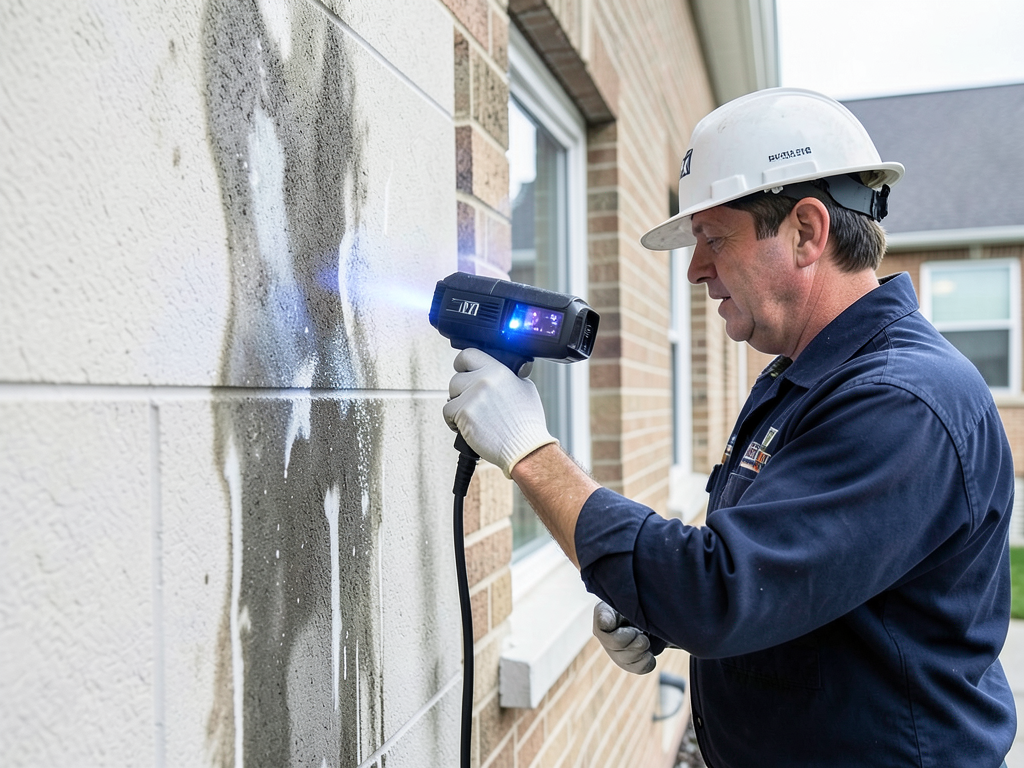
Initial Assessment (0-2 hours): Our certified technicians arrive with moisture meters and thermal imaging cameras to identify the water source and extent of damage. We document everything for insurance purposes, including humidity levels and moisture content in affected materials.
Communication with HOA: We contact your property manager to inform them of the situation and coordinate access to common areas if needed. Many Warehouse District HOAs require restoration companies to be pre-approved.
Insurance Documentation: We provide detailed reports including IICRC S500 standard compliance documentation, which most insurance companies require for water damage claims in North Carolina.
Restoration Process: Our team uses commercial-grade dehumidifiers and air movers to dry affected areas within 72 hours, preventing mold growth that could lead to additional liability issues.
Final Documentation: We provide “before and after” moisture readings and a certificate of completion that your insurance company needs to close the claim.
Warehouse District buildings often have unique challenges like shared plumbing stacks and limited access points that require specialized equipment and experience. Our team has restored over 200 condos in downtown Raleigh since 2018, giving us specific knowledge of these buildings’ construction methods and common failure points.
Common ‘Limited Common Elements’ in Raleigh Condos
Understanding Limited Common Elements (LCEs) helps determine responsibility. These are areas serving single units but maintained by the HOA. In Warehouse District condos, LCEs typically include:
- Balconies and patios attached to individual units
- Windows and exterior doors
- Water heaters located in utility closets
- Air conditioning units on balconies or rooftops
Damage to LCEs can create gray areas in responsibility. For example, if your balcony’s waterproof membrane fails and water seeps into your unit, the HOA’s Master Policy might cover the membrane repair, while your HO-6 covers interior damage.
Subrogation and Negligence in NC Law
When water damage involves multiple parties, insurance companies may pursue subrogation to recover their costs. In North Carolina, this process can be complex:
If your negligence causes damage to another unit, your insurance company will likely pay your neighbor’s claim and then seek reimbursement from you. This is why documenting the water source and timeline is critical.
North Carolina follows a “pure contributory negligence” rule, meaning if you’re even 1% at fault, you might be responsible for all damages. This makes professional documentation and expert assessment essential for protecting your interests.
Our restoration team works with your insurance adjuster to establish the water source and timeline, which can prevent costly subrogation disputes. We use moisture mapping and thermal imaging to create objective evidence of damage patterns that support your claim.
Mold Remediation Standards in North Carolina
North Carolina requires specific protocols for mold remediation following water damage. The state follows EPA guidelines but adds requirements for:
- Containment barriers in multi-unit buildings
- HEPA filtration during demolition
- Post-remediation verification by third-party inspectors
Warehouse District condos are particularly vulnerable to mold due to their concrete construction, which retains moisture longer than wood-frame buildings. Our team follows IICRC S520 standards for mold remediation, ensuring compliance with both state and federal guidelines. IICRC S500 Water Damage Restoration Standard.
Emergency Shut-Off Protocols for Multi-Family Units
Knowing your building’s emergency protocols can prevent extensive damage. Most Warehouse District condos have:
- Individual unit shut-off valves near water heaters
- Building-wide shut-off accessible to maintenance staff
- Floor-level isolation valves in newer buildings
We recommend locating these valves during your first year in the building. Our team can help identify your unit’s specific shut-off location during our initial assessment.
Cost Factors for Water Damage Restoration in Raleigh
Several factors affect restoration costs in Warehouse District condos:
| Factor | Impact on Cost | Typical Range |
|---|---|---|
| Water Category | Clean vs. contaminated water | $3-$10 per sq ft |
| Building Access | Elevator availability, parking | $500-$2,000 |
| Containment Needs | Mold risk, multiple units | $1,000-$5,000 |
| Insurance Coordination | HOA vs. personal claims | Varies by policy |
Warehouse District buildings often require specialized equipment for tight spaces and shared walls, which can increase restoration costs by 15-25% compared to single-family homes.
Preventing Future Water Damage in Your Condo
While you can’t prevent all water damage, these steps reduce your risk:
- Install water leak detectors near water heaters and under sinks
- Replace washing machine hoses every 5 years
- Know your HOA’s maintenance schedule for common plumbing
- Keep your HO-6 policy updated with current improvements
Many Warehouse District HOAs now require leak detection systems in units, which can reduce your insurance premiums and provide early warning of problems.
Frequently Asked Questions
Who pays for water damage if I’m not home when it happens?
The responsible party pays regardless of your presence. If the water comes from your unit’s plumbing, your HO-6 covers it. If it’s from common elements, the HOA’s Master Policy covers it. However, if you’re negligent (like leaving a faucet running), you could be held responsible even if you weren’t there.
How long do I have to report water damage to my HOA?
Most Warehouse District HOAs require written notice within 24-48 hours. Check your HOA bylaws for specific timeframes. Failing to report promptly can result in denied claims or reduced coverage.
Can I choose my own restoration company or does the HOA decide?
You have the right to choose your restoration company, but many HOAs maintain lists of pre-approved vendors. Check your HOA’s vendor policy before hiring. We work with all major insurance companies and can help navigate HOA requirements.
What if the water damage was caused by a neighbor’s unit?
First, determine the source. If it’s from a neighbor’s negligence, their HO-6 insurance should cover your damage. If it’s from common elements affecting multiple units, the HOA’s Master Policy typically covers it. Document everything and notify both your HOA and insurance company immediately.
Does my HOA’s insurance cover mold damage?
It depends on the source and your HOA’s policy type. If mold results from a covered peril (like a roof leak), the Master Policy might cover it. However, mold from your unit’s humidity or leaks is usually your responsibility under your HO-6 policy.
Call (984) 294-5900 Today for Expert Water Damage Restoration
Don’t let confusion about responsibility delay your restoration. Our Raleigh team understands the complexities of condo water damage and works directly with your HOA and insurance company to ensure proper coverage. We’re available 24/7 for emergency response in the Warehouse District and throughout Raleigh.
Pick up the phone and call (984) 294-5900 before the next storm hits. We’ll help you understand your responsibilities, coordinate with your HOA, and restore your condo to pre-loss condition quickly and professionally.
Time matters in water damage. The longer you wait, the more extensive—and expensive—the damage becomes. Call us now for a free assessment and let our experts handle the insurance coordination while you focus on getting your life back to normal. Local Experts for Mold Remediation and Water Damage in Five Points.
You may also find this helpful. What Happens When a High Rise Leak Starts Above Your Fayetteville Street Condo.