
Red Flags for Water Damage to Look for When Buying a Home in Glenwood South
Buying a home in Glenwood South means navigating Raleigh’s humid climate and aging infrastructure where hidden water damage can cost thousands in repairs. Before you sign on the dotted line you need to know what warning signs separate a solid investment from a money pit. This guide walks you through the exact visual clues musty smells and structural red flags that signal serious water problems. EPA Mold Guidelines.
Why Glenwood South Homes Are Vulnerable to Hidden Water Damage
Glenwood South’s mix of historic bungalows and newer condos creates unique risks. Many homes built before 1970 have aging galvanized pipes prone to corrosion and pinhole leaks. The neighborhood’s proximity to Crabtree Creek means some properties sit in low-lying areas where hydrostatic pressure pushes moisture through foundation walls. Raleigh’s average annual rainfall of 46 inches combined with summer humidity creates the perfect environment for mold growth behind walls and under flooring. What to Do When Your Brier Creek Office Floods Over the Weekend.
Visual Red Flags That Scream Water Damage
Start your inspection with these telltale signs. Water stains on ceilings often indicate roof leaks or HVAC condensation lines that have failed. Bubbling or peeling paint on walls signals moisture trapped behind the surface. Warped hardwood floors mean prolonged exposure to water has caused the wood to swell and cup. In basements check for efflorescence—that white powdery substance on concrete blocks—which shows water is seeping through masonry. Don’t forget to examine the roof from the ground looking for missing shingles or sagging areas that could lead to attic leaks. How to Choose the Best Water Restoration Company in Cary Without Getting Ripped Off.
The Sniff Test: What Your Nose Tells You About Hidden Moisture
Your sense of smell can detect what your eyes miss. A musty odor throughout the home often indicates active mold growth even if you don’t see visible patches. Pay attention to specific areas like closets under sinks and around HVAC vents. The smell of mildew in a basement crawl space suggests poor ventilation and potential structural damage. If you catch a whiff of something like wet cardboard in the attic it could mean roof sheathing is rotting from the inside out. Water Damage Restoration Cary.
Critical Areas Raleigh Buyers Must Inspect Thoroughly
Crawl spaces in Glenwood South homes deserve special attention. Many have dirt floors with minimal vapor barriers allowing ground moisture to rise into floor joists. Look for standing water puddles wood rot and rusty HVAC ducts. Attics need checking for proper ventilation since trapped heat and humidity accelerate roof deterioration. Finished basements require examination of every wall for dampness especially after heavy rains. Check window sills and door frames for soft spots that indicate rot from water intrusion. Who to Call for Emergency Water Damage in Downtown Raleigh at 3 AM.
Questions to Ask the Seller That Reveal Water History
Don’t skip the disclosure conversation. Ask if the home has ever had a burst pipe especially during winter freezes. Find out the age of the water heater since units over 10 years old often leak from the bottom. Ask about past insurance claims for water damage which must be disclosed under North Carolina law. Request information about the HVAC system’s age and maintenance history since condensate drain lines commonly cause hidden damage. If the home has a sump pump ask when it was last serviced. North Carolina Department of Health.
The Cost of Missing Water Damage During Due Diligence
Water damage repairs in Raleigh typically range from $1,500 for minor drywall replacement to over $15,000 for structural repairs and mold remediation. A small roof leak left unchecked can lead to $8,000 in ceiling and insulation replacement. Foundation repairs from hydrostatic pressure often exceed $10,000. Mold remediation costs average $2,000 to $6,000 depending on the affected area. These aren’t just repair costs—they’re negotiating points that could save you thousands on your purchase price.. Read more about Signs That Ground Water Is Seeping Through Your Foundation in Falls of Neuse.
Professional Tools That Reveal What You Can’t See
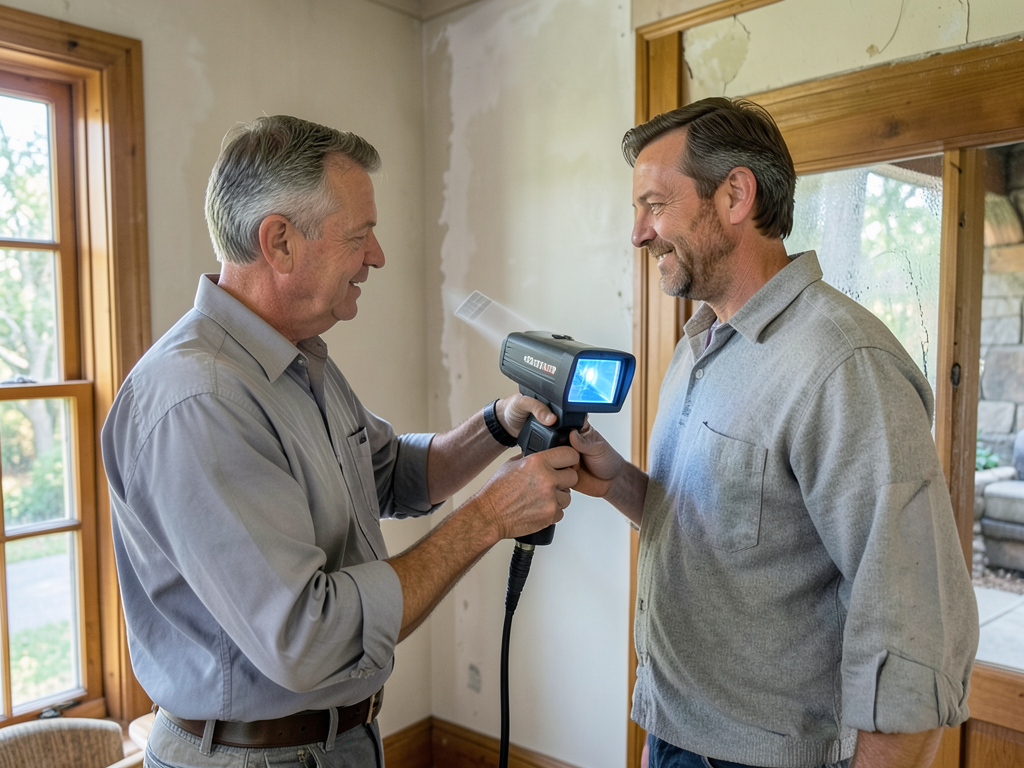
Professional inspectors use thermal imaging cameras to detect temperature differences behind walls that indicate moisture presence. Moisture meters measure the exact percentage of water in wood and drywall helping determine if materials are salvageable. Borescopes let inspectors examine wall cavities and crawl spaces without demolition. These tools are especially valuable in Glenwood South where many water issues hide behind plaster walls or under hardwood floors. A standard home inspection might miss these problems but a specialized water damage assessment won’t.. Read more about Why Your Raleigh Water Bill Is Suddenly Sky High (And Where the Secret Leak Might Be).
Seasonal Red Flags Specific to Raleigh’s Climate
Hurricane season from June through November brings the risk of wind-driven rain forcing water through compromised roof areas. Summer humidity above 70% causes condensation on cold water pipes and HVAC components. Winter freeze-thaw cycles can crack foundation mortar allowing spring rains to seep in. After any major weather event check for new water stains or musty odors that weren’t there before. Glenwood South’s tree canopy while beautiful can also contribute to moss growth on roofs that holds moisture against shingles.. Read more about Refrigerator Water Line Leaks (How to Stop Your Kitchen Floor from Rotting).
When to Walk Away From a Water-Damaged Property
Some water damage issues are deal-breakers. Active mold growth covering more than 10 square feet requires professional remediation before occupancy. Structural damage to floor joists or support beams compromises home safety. Evidence of repeated flooding suggests the property sits in a problematic drainage area. If the seller won’t address major issues through repair credits or price reduction it’s often better to walk away than inherit a money pit. Remember you can’t negotiate effectively without knowing the full extent of the damage.. Read more about Surviving a Flash Flood Near Crabtree Valley Mall (A Homeowner’s Guide).
Protecting Your Investment After Purchase
Once you own the home prevention becomes your best strategy. Install gutter guards to prevent overflow during heavy rains. Grade soil away from foundation walls to improve drainage. Consider a whole-house dehumidifier for the humid Raleigh summers. Schedule annual HVAC maintenance to ensure condensate lines flow properly. Monitor your water bill for unexplained increases that could indicate hidden leaks. These steps cost far less than emergency water damage restoration.. Read more about Hidden Signs Your Dishwasher Leak Is Causing Major Structural Damage in Your Clayton Kitchen.
Water damage in Glenwood South homes often hides in plain sight. By knowing what to look for you can make an informed decision and avoid costly surprises after closing. When in doubt call a professional who can use specialized equipment to uncover hidden moisture issues before they become your problem.. Read more about Why Your Raleigh Water Heater Is Leaking From the Bottom.
Frequently Asked Questions
What are the most common signs of water damage in older Raleigh homes?
The most common signs include water stains on ceilings and walls bubbling paint warped wood floors musty odors and efflorescence on foundation walls. In older Glenwood South homes you might also find rusty pipes in crawl spaces and deteriorated roof flashing around chimneys.
How much does professional water damage inspection cost in the Triangle area?
Professional water damage inspections in Raleigh typically cost between $300 and $600 depending on the home size and inspection scope. This often includes thermal imaging moisture meter readings and a detailed report with repair recommendations.. Read more about Hidden Moisture in the Attic (Why Your Heritage Home Feels Humid in Summer).
Can I negotiate the price if I find water damage during inspection?
Yes you can negotiate. In North Carolina sellers must disclose known material defects. If your inspection reveals water damage you can request repair credits ask for price reduction or have the seller make repairs before closing. The strength of your negotiating position depends on the damage severity and local market conditions. Local Experts for Mold Remediation and Water Damage in Five Points.
What’s the difference between mold and mildew and why does it matter?
Mildew is surface-level fungus that’s easier to clean and less structurally damaging. Mold penetrates deeper into materials and can cause significant structural damage and health issues. Black mold in particular requires professional remediation. Both thrive in moist environments common in Raleigh homes.. Read more about Health Risks of Living in a Home With Unresolved Water Damage in Downtown Durham.
Call a Professional Before You Buy
Don’t let hidden water damage derail your dream of owning a Glenwood South home. A professional inspection can reveal issues that save you thousands in unexpected repairs. Call (984) 294-5900 today to schedule a comprehensive water damage assessment before you make your final offer.
You may also find this helpful. Keeping Rainwater Out of Your Cameron Park Basement with Better Gutter Drainage.
You may also find this helpful. Why Luxury Vinyl Plank Flooring Reacts Differently to Water Leaks Than Real Wood.
You may also find this helpful. What Happens When a High Rise Leak Starts Above Your Fayetteville Street Condo.