
Refrigerator Water Line Leaks (How to Stop Your Kitchen Floor from Rotting)
A slow drip from your refrigerator’s water line can release up to 2 gallons of water per hour. That unnoticed leak soaks into hardwood floors, seeps under cabinets, and creates perfect conditions for mold growth within 24-48 hours. In Raleigh’s humid climate, this hidden moisture problem escalates quickly. How to Choose the Best Water Restoration Company in Cary Without Getting Ripped Off.
Most refrigerator leaks start at the compression fitting or saddle valve connection. These small points of failure can dump hundreds of gallons before you notice warped floorboards or a musty smell. The damage often extends to subflooring, wall cavities, and even ceiling spaces below. Water Damage Restoration Cary.
Before you lose your kitchen to rot, you need to know how to stop the water and what hidden damage to check for. This guide covers emergency shut-off steps, common Raleigh-specific causes, and when to call for professional restoration before mold takes hold. Who to Call for Emergency Water Damage in Downtown Raleigh at 3 AM.
Immediate Steps: What to Do Right Now
When you discover water pooling around your refrigerator, every minute counts. Here’s what to do immediately to minimize damage to your Raleigh home.. Read more about Why Water Damage Is Often Worse Than Fire Damage After a Kitchen Fire in Cary.
- Locate the Shut-off Valve
Most refrigerator water lines connect to a small saddle valve on the cold water supply pipe. This valve is usually under the kitchen sink or in the basement near the refrigerator. Turn the valve clockwise until it stops to cut off water flow.. Read more about Replacing Water Damaged Subfloors Under Your New LVP in North Raleigh.
- Unplug the Refrigerator
Water and electricity create shock hazards. Pull the plug from the wall outlet or shut off the circuit breaker serving the kitchen outlet.
- Remove Standing Water
Use towels, a wet vacuum, or mops to remove visible water. Focus on areas under and around the refrigerator where water pools and seeps into flooring.
- Check for Hidden Moisture
Feel the floor around the refrigerator for soft spots or warping. Use a moisture meter if available to check wall areas behind the appliance.
Wake County building codes require accessible shut-off valves for all water-using appliances. If you cannot locate your valve or it won’t turn, call (984) 294-5900 immediately. Our emergency response team can shut off your water supply and begin damage assessment within 60 minutes.
Common Causes of Refrigerator Leaks in Raleigh Homes
Refrigerator water line failures in Raleigh homes follow predictable patterns. Understanding these causes helps you prevent future leaks and recognize early warning signs.
Compression Fitting Failures
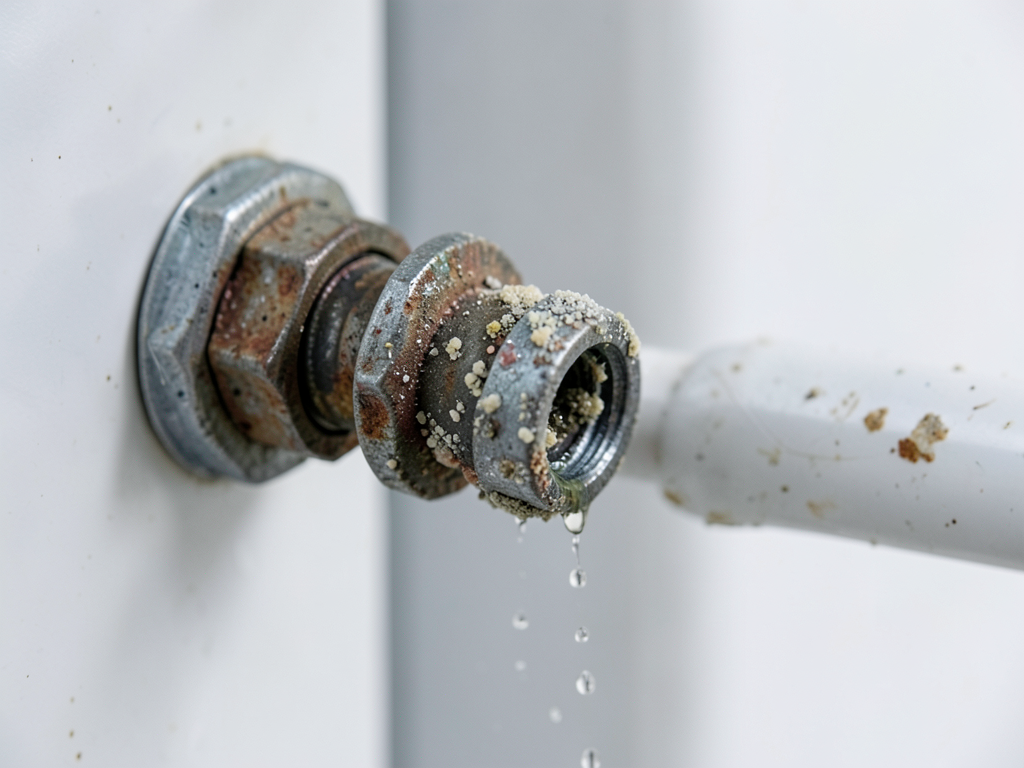
Compression fittings connect plastic or copper tubing to the refrigerator’s water inlet. These fittings rely on a compression sleeve that creates a watertight seal when tightened. Over time, vibration from the refrigerator’s compressor loosens these connections. Raleigh’s hard water accelerates mineral buildup that further degrades the seal.
Most compression fittings should be replaced every 5-7 years. Signs of failure include small drips at the connection point, water stains on the floor, or a musty odor near the refrigerator.
Saddle Valve Malfunctions
Saddle valves clamp onto existing water pipes and create a tap for refrigerator water supply. These valves contain a small needle that punctures the pipe. The rubber gasket inside degrades over time, especially in Raleigh’s chlorinated water supply.
Saddle valves are notorious for slow leaks that go unnoticed for months. The EPA estimates that a single drip per second wastes over 3,000 gallons annually. In Raleigh homes, saddle valve failures often coincide with seasonal water pressure fluctuations. EPA WaterSense Fix a Leak Week.
Plastic Tubing Degradation
Many refrigerators use 1/4-inch plastic tubing for water supply. This tubing becomes brittle over time, especially when exposed to UV light or extreme temperature changes. Raleigh’s summer heat and winter cold cycles stress these connections.
Plastic tubing also suffers from chlorine damage. Wake County’s water treatment process adds chlorine that breaks down plastic over 3-5 years. Copper tubing lasts longer but costs more and requires different fittings.
Water Pressure Issues
Raleigh’s municipal water system maintains pressure between 40-80 PSI. However, pressure spikes occur during water main repairs or high-demand periods. These spikes stress refrigerator water lines beyond their design limits.
Water hammer from quickly closing valves also damages tubing connections. Installing a pressure regulator or water hammer arrestor prevents these pressure-related failures.
The Hidden Dangers of Refrigerator Leaks
What starts as a small drip becomes a major structural problem when water seeps into hidden spaces. Understanding these dangers helps you recognize when professional restoration becomes necessary.
Subfloor Damage
Water that reaches your subfloor creates the most expensive damage. Subflooring consists of plywood or OSB sheets that support your finished flooring. When these materials absorb water, they swell, warp, and lose structural integrity.
OSB subflooring can absorb up to 30% of its weight in water before showing visible damage. By then, the material has already lost significant strength. In Raleigh homes, this often means removing and replacing entire sections of subfloor.
Mold Growth Behind Cabinets
Dark, humid spaces behind kitchen cabinets provide ideal mold growing conditions. Refrigerator leaks create moisture that stays trapped behind these spaces for weeks or months.
Common mold species found in refrigerator leak situations include Aspergillus, Penicillium, and Stachybotrys (black mold). The IICRC S520 standard requires professional remediation when mold covers more than 10 square feet or affects porous materials. IICRC S500 Water Damage Standards.
Mold exposure can cause respiratory issues, allergic reactions, and in severe cases, neurological symptoms. The CDC recommends immediate professional assessment for any visible mold growth. CDC Mold Information.
Hardwood Floor Warping
Hardwood floors absorb water through the edges and end grain. This causes boards to swell and push against each other. As they dry, they often warp or cup, creating uneven surfaces.
Maple and oak floors show damage within 24-48 hours of water exposure. Engineered hardwood resists water better but still suffers delamination when moisture penetrates the core layers.
Water-damaged hardwood often requires complete removal and replacement. The cost ranges from $8-15 per square foot for removal and new installation in Raleigh homes.
Wall and Ceiling Damage
Water from refrigerator leaks travels along the path of least resistance. It can seep through floor gaps into wall cavities or drip through to ceilings below.
Water in wall cavities creates perfect conditions for hidden mold growth. The EPA recommends removing drywall when moisture content exceeds 16% to prevent mold colonization.
Our Professional Restoration Process
When refrigerator leaks cause extensive damage, professional restoration becomes necessary. Here’s how our Raleigh team handles complete water damage recovery.
Comprehensive Inspection
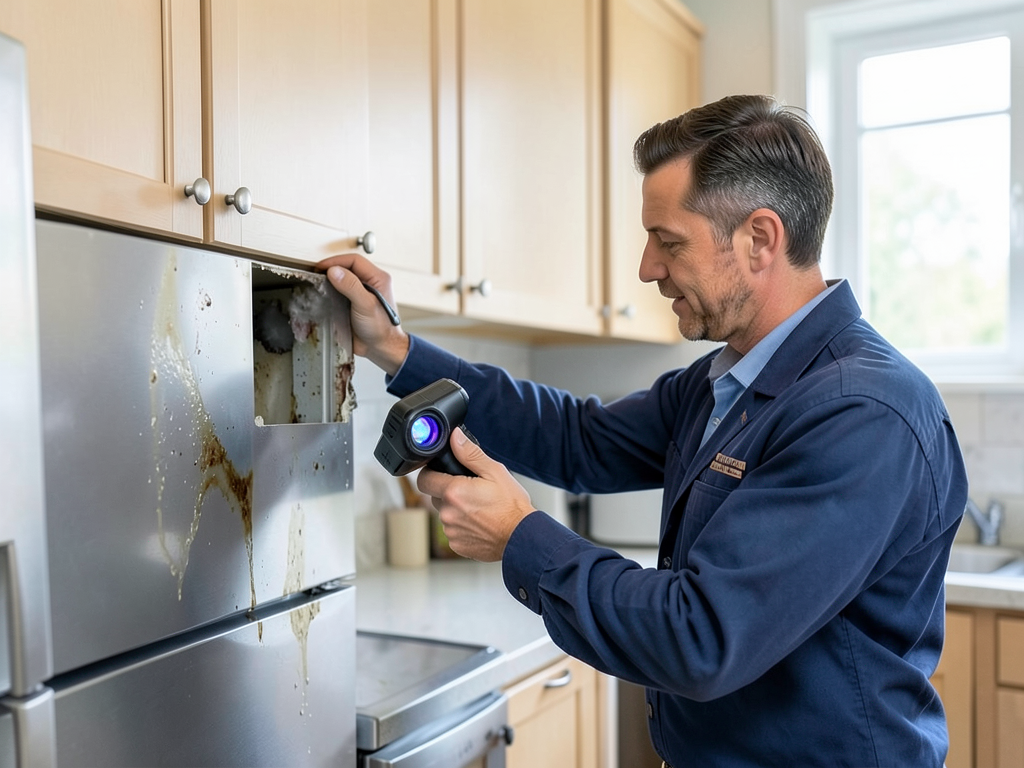
Our technicians use moisture meters, thermal imaging cameras, and hygrometers to map water migration. We check subfloor moisture content, wall cavity humidity, and cabinet back moisture levels.
Every inspection follows IICRC S500 standards for water damage assessment. We document all findings with photos and moisture readings to support insurance claims. Finding Reliable 24 Hour Water Damage Restoration in Wake Forest.
Water Extraction and Removal
Professional extraction equipment removes water from flooring, carpets, and subfloors. Our truck-mounted extractors can remove over 20 gallons of water per minute.
For hardwood floors, we use specialized drying mats that apply negative pressure to draw moisture from deep within the wood. This prevents warping and can save floors that would otherwise require replacement.
Structural Drying
Dehumidifiers and air movers create optimal drying conditions. We monitor relative humidity, temperature, and moisture content daily to ensure complete drying.
The psychrometric process requires maintaining specific temperature and humidity levels. Our equipment can reduce moisture content in subflooring from 20% to 12% within 72 hours.
Demolition and Reconstruction
When materials cannot be saved, we perform controlled demolition. This includes removing damaged drywall, flooring, and cabinetry. We bag and dispose of all water-damaged materials following EPA guidelines.
Reconstruction follows all Wake County building codes. We replace damaged materials with new products that match your existing finishes when possible.
Mold Remediation
If mold is present, we follow IICRC S520 standards for remediation. This includes containment, HEPA filtration, antimicrobial treatment, and clearance testing.
All remediation work includes documentation for insurance purposes and provides peace of mind that your home is safe for occupancy.
Service Areas in the Triangle
We serve Raleigh and surrounding communities with 24/7 emergency response. Our teams are strategically located throughout the Triangle for rapid deployment.
Our Raleigh service area includes Downtown, North Hills, Five Points, and Inside the Beltline neighborhoods. We also serve Cary, Apex, Garner, and Wake Forest with same-day response for emergency situations.
North Raleigh residents near PNC Arena and the NC State University campus benefit from our proximity to these areas. We maintain fully stocked response vehicles throughout the Triangle for immediate deployment.
Commercial clients in Brier Creek, Research Triangle Park, and Morrisville receive priority scheduling for water damage emergencies that threaten business operations. What to Do When Your Brier Creek Office Floods Over the Weekend.
Frequently Asked Questions
How much does refrigerator leak restoration cost?
Restoration costs vary based on damage extent. Minor repairs start around $500, while extensive damage involving subfloor replacement can exceed $5,000. Insurance often covers sudden appliance failures when reported promptly.
Will my homeowners insurance cover refrigerator water damage?
Most policies cover sudden and accidental water damage from appliances. However, damage from neglected maintenance or slow leaks over time may be excluded. We help document damage for insurance claims and can work directly with your adjuster.
How long does the restoration process take?
Emergency response occurs within 60 minutes. Water extraction and initial drying take 1-3 days. Complete restoration, including reconstruction, typically requires 1-2 weeks depending on damage extent and material availability.
Can I save my hardwood floors if they’ve been exposed to water?
Hardwood floors can often be saved if treated within 24-48 hours. Our specialized drying equipment can extract moisture from deep within the wood. However, floors exposed for longer periods or with significant warping usually require replacement.
What should I do if I smell mold but don’t see water?
Mold requires moisture to grow. A musty smell indicates hidden moisture problems, possibly from a slow refrigerator leak. Call (984) 294-5900 for professional inspection. We use thermal imaging and moisture meters to locate hidden water sources without destructive testing.
Prevention Tips for Raleigh Homeowners
Preventing refrigerator water line leaks saves thousands in potential damage. Here are practical steps Raleigh homeowners can take.
Regular Maintenance Schedule
Inspect your refrigerator water line connections every six months. Look for corrosion, mineral buildup, or moisture around fittings. Replace plastic tubing every 5 years regardless of visible condition.
Clean the area behind your refrigerator quarterly. Dust and debris can trap moisture and hide early leak signs. Pull the refrigerator away from the wall and vacuum the floor and wall area.
Install Water Alarms
Water leak detectors placed near your refrigerator provide early warning. These battery-powered devices sound an alarm when they detect moisture. Some models connect to smartphone apps for remote monitoring.
Place detectors on the floor behind the refrigerator and under nearby cabinets. Test batteries every six months when you check smoke detector batteries.
Upgrade to Better Connections
Replace saddle valves with ball valves when possible. Ball valves provide better shut-off capability and are less prone to slow leaks. Use braided stainless steel supply lines instead of plastic tubing for longer life.
Install a whole-house water pressure regulator if your home experiences pressure fluctuations. Raleigh’s municipal system can send pressure spikes of 100+ PSI during maintenance, stressing all plumbing connections.
Know Your Home’s Water System
Locate all water shut-off valves in your home. The main shut-off is typically near the water meter or where the main line enters your house. Individual fixture valves are usually under sinks or behind toilets.
Label each valve clearly so anyone in your household can shut off water quickly in an emergency. Practice shutting off valves so you’re prepared when seconds count.
Why Choose Professional Restoration
DIY water damage repair often creates bigger problems. Here’s why professional restoration makes sense for refrigerator leaks.
Complete Damage Assessment
Water migrates to areas you cannot see. Our thermal imaging cameras and moisture meters detect water in wall cavities, under flooring, and in ceiling spaces. We find damage that DIY inspection misses.
Without complete assessment, you risk leaving moisture that causes mold growth weeks later. Professional documentation also supports insurance claims and protects your financial interests.
Proper Drying Equipment
Professional-grade dehumidifiers and air movers remove moisture much faster than household fans. Our equipment can reduce drying time from weeks to days, preventing secondary damage.
We use moisture meters to verify complete drying. Visual inspection cannot determine when materials have reached safe moisture levels. Incomplete drying leads to mold and structural problems.
Insurance Navigation
We work directly with insurance companies to process claims efficiently. Our detailed documentation meets insurance requirements for coverage approval.
We provide clear communication throughout the claims process, reducing stress during an already difficult situation. Many clients find our expertise saves them thousands in denied claims.
Health and Safety
Water damage creates health hazards beyond mold. Standing water breeds bacteria, and contaminated water from appliance leaks may contain harmful substances.
Our technicians wear personal protective equipment and follow EPA guidelines for water damage cleanup. We ensure your home is safe for your family after restoration.. Read more about Saving Your Tile Grout After a Bathroom Flood in Preston.
Emergency Response: Call Now
Refrigerator water line leaks require immediate attention. Every hour of delay increases damage and restoration costs. Don’t wait until you have warped floors or mold growth.
Our emergency response team is available 24/7 throughout Raleigh and the Triangle. We arrive within 60 minutes, equipped to stop the water and begin damage assessment immediately.
Call (984) 294-5900 now for emergency refrigerator leak response. Our operators are standing by to dispatch the nearest team to your location. We’ll help you minimize damage and start the restoration process before the situation worsens.
Don’t let a small leak destroy your kitchen. One call prevents thousands in damage and protects your home’s value. Pick up the phone and call (984) 294-5900 before the next gallon leaks onto your floor.
You may also find this helpful. Why Luxury Vinyl Plank Flooring Reacts Differently to Water Leaks Than Real Wood.