
Replacing Water Damaged Subfloors Under Your New LVP in North Raleigh
Water damage beneath luxury vinyl plank flooring in North Raleigh homes creates serious structural risks that many homeowners overlook. When LVP shows signs of warping or buckling, the real problem often lies in the subfloor beneath. This comprehensive guide explains the complete process of subfloor replacement, from moisture detection through final installation, specifically for North Raleigh properties. How to Choose the Best Water Restoration Company in Cary Without Getting Ripped Off.
Common Signs of Subfloor Damage in North Raleigh Homes
North Raleigh’s humid climate and aging housing stock create unique vulnerabilities for subfloor damage. The combination of clay soil expansion and older plumbing systems means many homes experience slow leaks that go undetected for months. These hidden water intrusions cause subfloor deterioration before any visible signs appear on the surface flooring. Who to Call for Emergency Water Damage in Downtown Raleigh at 3 AM.
Key indicators include soft spots when walking across the floor, visible gaps between planks, and a musty odor that persists despite cleaning. In older North Raleigh neighborhoods near Strickland Road and Six Forks Road, homes built before 2000 often have particle board subfloors that deteriorate rapidly when exposed to moisture. The Carolina red clay surrounding many North Raleigh properties also contributes to moisture problems by expanding when wet and creating hydrostatic pressure against foundation walls.
Professional moisture testing reveals the extent of damage that visual inspection cannot detect. Using calibrated moisture meters at multiple depths, technicians can identify water migration patterns through subfloor layers. Readings above 16% moisture content in plywood subfloors or visible mold growth on the underside indicate the need for complete replacement rather than repair. EPA Mold Guidelines.
Moisture Testing and Assessment Process
Before any demolition begins, proper moisture assessment determines the scope of work required. This diagnostic phase prevents unnecessary demolition and identifies hidden damage that could compromise the entire flooring system. The process involves multiple testing methods to create a complete moisture map of the affected area. Water Damage Restoration Cary.
Professional moisture meters measure both surface and core moisture levels in the subfloor. Non-invasive meters use electromagnetic signals to detect moisture without damaging materials, while invasive pin-type meters provide accurate readings at specific depths. For North Raleigh homes, where humidity levels frequently exceed 70% during summer months, establishing baseline moisture levels helps determine whether readings indicate active water intrusion or normal environmental conditions.. Read more about Managing a Multi-Floor Water Leak in a Bedford Townhome.
Thermal imaging cameras detect temperature variations that indicate moisture presence. Water-damaged areas typically appear cooler than dry materials because evaporation creates a cooling effect. This technology helps identify the full extent of water migration, which often extends beyond visible damage. In crawl spaces common to North Raleigh homes, thermal imaging reveals moisture patterns that direct the replacement strategy.
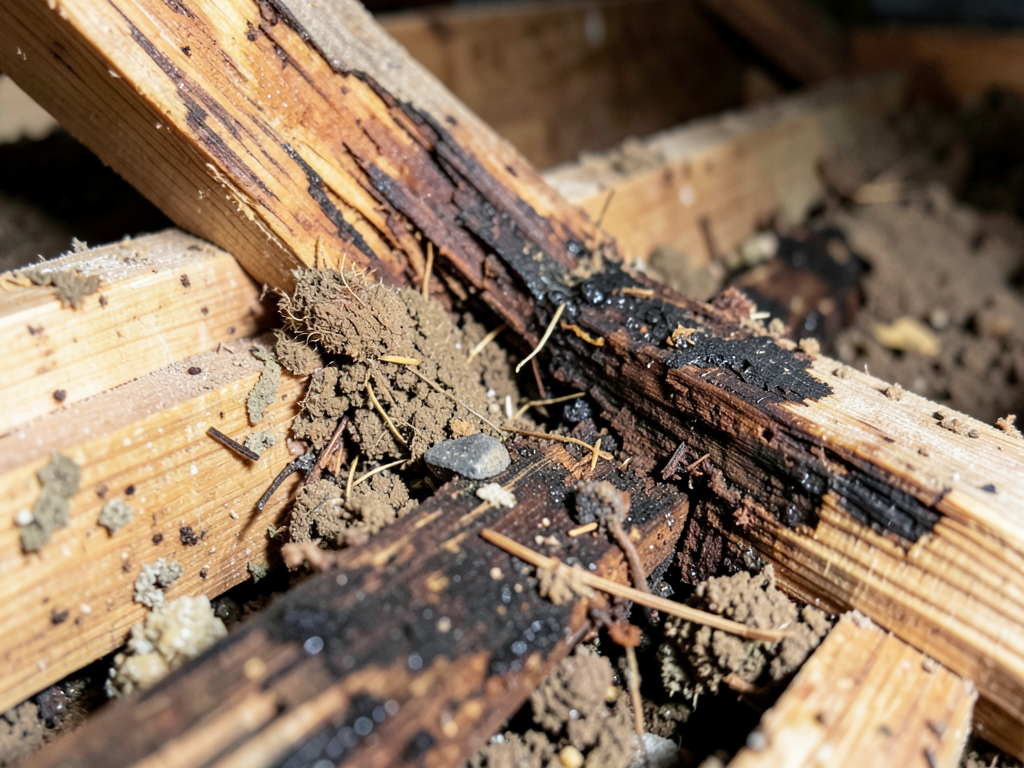
Structural assessment follows moisture testing to evaluate floor joist integrity. Water exposure weakens wood fibers and creates conditions favorable for fungal growth. Technicians use a screwdriver test to probe suspect areas – if the tool penetrates easily, the wood has lost structural integrity and requires replacement. This assessment determines whether joist sistering or complete replacement becomes necessary.

Subfloor Demolition and Removal Process
Once assessment confirms the need for replacement, controlled demolition begins. This phase requires careful containment to prevent dust and debris from spreading throughout the home. North Raleigh homes often have open floor plans where living areas connect directly to kitchens and dining spaces, making dust control particularly important.
Containment barriers using 6-mil polyethylene sheeting create isolated work zones. Negative air pressure machines with HEPA filtration prevent contaminated air from escaping the work area. This containment protects unaffected portions of the home and maintains indoor air quality during the demolition process.
Subfloor removal starts with removing the damaged LVP and underlayment. Each plank lifts individually to minimize damage to surrounding materials. In cases where water damage extends under cabinets or built-in features, these elements require temporary removal or careful work around them. The goal is salvaging as much of the existing structure as possible while ensuring complete removal of compromised materials.
Cut lines in the subfloor follow logical boundaries that minimize waste and facilitate replacement. Circular saws set to the correct depth prevent damage to underlying joists. Pry bars and demolition hammers remove damaged sections while preserving sound materials. All removed materials go into sealed containers for proper disposal, following Wake County regulations for construction debris.
Joist Inspection and Reinforcement
Water-damaged subfloors often indicate compromised floor joists beneath. The relationship between subfloor and joists creates a structural system where damage to one component affects the entire assembly. Thorough joist inspection determines whether reinforcement or replacement becomes necessary.
Visual inspection reveals surface damage, but probing tests determine structural integrity. Using a moisture meter, technicians measure joist moisture content at multiple points. Readings above 20% indicate active decay and structural weakness. The presence of fungal growth or wood rot requires immediate intervention to prevent floor collapse.
Sistering damaged joists involves attaching new lumber alongside compromised members. This reinforcement technique transfers load to sound wood while providing a stable base for new subflooring. Sistering works when damage affects less than 40% of a joist’s cross-section. For more extensive damage, complete joist replacement becomes necessary.
North Raleigh’s older neighborhoods, particularly near Lynn Road and Falls of Neuse, often feature homes with 2×8 floor joists spaced 16 inches on center. These older dimensional lumber sizes provide less structural capacity than modern engineered joists. When sistering or replacing joists, building code requirements in Wake County mandate minimum size and spacing specifications to ensure structural safety.
Subfloor Material Selection and Installation
Material selection for subfloor replacement depends on several factors including moisture exposure, floor height requirements, and intended flooring type. For homes replacing water-damaged subfloors under LVP, the material must provide dimensional stability and moisture resistance while meeting Wake County building code requirements.
Advantech OSB (Oriented Strand Board) offers superior moisture resistance compared to standard OSB or plywood. The resin-rich surface resists moisture absorption, and the tongue-and-groove edges create a tight, stable floor assembly. For North Raleigh’s humid climate, this material provides better long-term performance than traditional plywood, which can delaminate when exposed to moisture.
Plywood remains a viable option when budget constraints exist. Exterior-grade CDX plywood with a minimum thickness of 3/4 inch provides adequate structural support for LVP flooring. The alternating grain pattern in plywood reduces expansion and contraction compared to OSB, though it offers less moisture resistance than Advantech products.
Installation follows specific patterns to maximize strength and minimize deflection. Staggered end joints prevent continuous weak lines across the floor. Fasteners placed every 6 inches along joists and 12 inches along edges create a solid attachment. Construction adhesive applied between the subfloor and joists prevents squeaking and improves structural performance.
Moisture Mitigation and Prevention Strategies
Preventing future water damage requires addressing the source of the original problem. Whether caused by plumbing leaks, foundation issues, or environmental factors, mitigation strategies protect the new subfloor investment and prevent recurring damage.
Plumbing inspections identify potential leak sources before they cause damage. In North Raleigh homes with copper plumbing installed before 2000, corrosion and pinhole leaks commonly occur at joints and fittings. Replacing suspect sections with PEX piping eliminates corrosion concerns and provides better freeze resistance during occasional winter cold snaps.. Read more about What to Do When a Braided Supply Line Snaps in Your Wakefield Bathroom.
Foundation moisture control involves improving drainage around the home’s perimeter. The heavy clay soil in North Raleigh areas like Midtown and Bedford creates drainage challenges that trap water against foundation walls. Installing proper grading with a 6-inch drop over 10 feet directs water away from the structure. French drains or exterior waterproofing may become necessary for severe moisture problems.
Interior moisture barriers prevent water vapor migration through concrete slabs or crawl space floors. In homes with crawl spaces, installing 6-mil polyethylene sheeting over the ground surface reduces moisture evaporation into the living space above. Wake County building codes require this vapor barrier in new construction, but many older North Raleigh homes lack this protection.
Dehumidification systems maintain indoor humidity between 30-50%, reducing condensation risks and preventing mold growth. For homes in North Raleigh’s humid climate, whole-house dehumidifiers integrated with HVAC systems provide continuous moisture control. Portable dehumidifiers work for localized problems but require regular maintenance and monitoring. Local Experts for Mold Remediation and Water Damage in Five Points.
Cost Factors for Subfloor Replacement in North Raleigh
Subfloor replacement costs vary significantly based on damage extent, material selection, and accessibility. Understanding these cost factors helps homeowners budget appropriately and avoid unexpected expenses during the restoration process.
Material costs range from $1.50 to $4.00 per square foot depending on the selected subfloor product. Advantech OSB commands premium pricing but offers better moisture resistance and longer warranties. Standard CDX plywood provides cost savings but requires additional moisture protection measures. Underlayment materials add $0.50 to $1.50 per square foot for products designed specifically for LVP installation.
Labor costs depend on demolition complexity and structural repairs needed. Simple subfloor replacement in accessible areas costs $3.00 to $5.00 per square foot. When joist repairs or extensive demolition become necessary, labor costs increase to $6.00 to $10.00 per square foot. Homes in North Raleigh’s older neighborhoods often require additional labor due to tight access, multiple layers of flooring, or unexpected structural issues discovered during demolition.
Permit requirements in Wake County add administrative costs and time to the project. Structural repairs affecting floor joists require building permits with inspections at multiple stages. Permit fees range from $100 to $500 depending on project scope. Professional restoration companies handle permit acquisition and coordinate inspections, ensuring code compliance throughout the process.
Additional costs may include temporary flooring protection, furniture moving, and disposal fees for damaged materials. Professional restoration companies provide detailed estimates that itemize these costs, allowing homeowners to understand the complete project scope before work begins.
Insurance Coverage and Claims Process
Homeowners insurance coverage for subfloor replacement depends on the water damage source and policy specifics. Understanding coverage limitations helps homeowners navigate the claims process and maximize available benefits for restoration work.
Sudden and accidental water damage from plumbing failures typically receives full coverage under standard homeowners policies. Burst pipes, appliance malfunctions, or water heater leaks causing subfloor damage qualify for coverage. However, damage from long-term leaks or maintenance-related issues often receives partial or no coverage, as insurance companies consider these preventable problems.
Documentation requirements for insurance claims include detailed damage assessments, moisture mapping, and photographic evidence. Professional restoration companies provide comprehensive documentation that insurance adjusters require for claim approval. This documentation includes before-and-after photos, moisture readings, and detailed scope of work descriptions that justify the restoration approach.
North Carolina insurance regulations require specific documentation for mold-related claims. When water damage leads to mold growth, additional testing and remediation protocols become necessary. Professional restoration companies follow IICRC S520 standards for mold remediation, ensuring proper containment, removal, and clearance testing that satisfies insurance requirements.
Working with insurance adjusters requires clear communication about damage extent and restoration methods. Professional restoration companies act as advocates for homeowners, explaining technical aspects of the damage and justifying recommended restoration approaches. This advocacy often results in higher claim approvals and better coverage for necessary repairs.
Post-Installation Testing and Quality Assurance
Quality assurance testing verifies that subfloor replacement meets structural and moisture resistance requirements before LVP installation begins. This final verification step prevents future problems and ensures the new flooring system performs as intended.
Moisture testing after installation confirms that the new subfloor meets acceptable moisture content levels for flooring installation. Readings below 12% indicate readiness for LVP installation in North Raleigh’s climate. Higher readings require additional drying time or dehumidification before proceeding with flooring installation.
Structural testing involves walking the floor to identify any deflection or movement. A properly installed subfloor should feel solid with no springiness or movement when walked upon. Using a 4-foot level, technicians check for any unevenness that could telegraph through the finished flooring.
Sound testing identifies potential squeaking issues before they become problems. Walking across the floor in multiple directions reveals any areas where fasteners may have missed joists or where movement could occur. Addressing these issues during the quality assurance phase prevents callbacks and ensures customer satisfaction.
Final documentation includes moisture readings, structural test results, and warranty information for all materials and workmanship. This documentation provides homeowners with proof of proper installation and establishes baseline conditions for any future warranty claims.
Frequently Asked Questions
How long does subfloor replacement take in a typical North Raleigh home?
Most subfloor replacement projects in North Raleigh homes take 2-4 days depending on damage extent and structural repairs needed. Simple replacements in accessible areas complete in 2 days, while projects requiring joist repairs or extensive demolition extend to 4 days. Weather conditions and permit approvals can add additional time to the schedule.
Can I install new LVP directly over the existing subfloor without replacement?
Installing new LVP over damaged subfloor creates future problems including premature failure, warranty voids, and potential health hazards from mold growth. Water-damaged subfloors lose structural integrity and dimensional stability, causing visible problems in the finished flooring. Professional assessment determines whether repair or replacement provides the best long-term solution.
Does homeowners insurance cover subfloor replacement costs?
Insurance coverage depends on the water damage source. Sudden plumbing failures typically receive full coverage, while long-term leaks or maintenance issues may receive partial coverage or none at all. Professional documentation and assessment help maximize insurance benefits and ensure proper claim processing.
What building codes apply to subfloor replacement in Wake County?
Wake County follows the North Carolina State Building Code with local amendments. Structural repairs affecting floor joists require permits and inspections. Material specifications, fastener requirements, and installation methods must comply with current code standards. Professional restoration companies handle permit acquisition and ensure code compliance throughout the project.
How can I prevent future subfloor water damage?
Prevention involves addressing moisture sources through plumbing inspections, foundation drainage improvements, and humidity control. Installing proper vapor barriers in crawl spaces, maintaining gutters and downspouts, and using whole-house dehumidification reduces moisture-related risks. Regular plumbing inspections identify potential problems before they cause extensive damage.
Professional Subfloor Replacement Services in North Raleigh
Water-damaged subfloors require professional assessment and restoration to ensure structural safety and prevent recurring problems. North Raleigh homeowners benefit from working with restoration companies familiar with local building codes, climate conditions, and common construction methods in the area.
Professional restoration companies provide comprehensive services from initial assessment through final installation. This includes moisture testing, structural evaluation, demolition, material selection, installation, and quality assurance testing. The complete process ensures proper restoration and prevents future problems that could compromise the new flooring system.
Emergency response capabilities prove essential when water damage occurs. Rapid response within 24 hours prevents secondary damage from mold growth and material deterioration. Professional restoration companies maintain 24/7 availability and can mobilize equipment and personnel quickly when emergencies arise.
Insurance coordination simplifies the restoration process for homeowners. Professional companies handle documentation, communicate with adjusters, and ensure that restoration work meets insurance requirements. This coordination reduces homeowner stress and ensures proper claim processing.
Quality workmanship backed by warranties provides long-term protection for the restoration investment. Professional companies stand behind their work with written warranties covering materials and workmanship. This warranty protection gives homeowners confidence in the restoration quality and long-term performance.
Conclusion
Replacing water-damaged subfloors under new LVP flooring in North Raleigh requires professional expertise, proper materials, and attention to local building codes and climate conditions. The process involves thorough assessment, controlled demolition, structural repairs when needed, and quality assurance testing to ensure long-term performance.
North Raleigh’s humid climate and aging housing stock create unique challenges for subfloor restoration. Professional restoration companies understand these local factors and provide appropriate solutions that address both immediate damage and long-term prevention. The investment in proper subfloor replacement protects the new flooring investment and ensures structural safety for years to come.
Don’t let water damage compromise your home’s structural integrity or your new flooring investment. Professional assessment and restoration provide the foundation for successful LVP installation and long-term performance. Contact a qualified restoration company today to evaluate your subfloor condition and recommend appropriate restoration solutions.
- Initial Assessment
Conduct moisture testing using calibrated meters and thermal imaging to map damage extent. Evaluate structural integrity of joists and surrounding materials. Document findings for insurance purposes and restoration planning. Finding Reliable 24 Hour Water Damage Restoration in Wake Forest.
- Containment Setup
Install polyethylene barriers and negative air pressure systems to isolate work area. Protect unaffected portions of home from dust and debris. Set up dehumidification equipment to control moisture during restoration.
- Controlled Demolition
Remove damaged flooring materials systematically using proper cutting techniques. Dispose of contaminated materials following local regulations. Preserve sound materials whenever possible to reduce waste and costs.
- Structural Repairs
Inspect and reinforce floor joists as needed using sistering or replacement techniques. Address any foundation or framing issues discovered during demolition. Ensure all structural repairs meet Wake County building code requirements.
- Material Installation
Install new subfloor materials following manufacturer specifications and building codes. Use proper fasteners, adhesives, and spacing patterns. Verify moisture content and structural integrity before proceeding to flooring installation.
Get Professional Help Today
Water damage under your LVP flooring creates serious structural risks that require immediate professional attention. North Raleigh homeowners trust experienced restoration companies to assess damage, recommend appropriate solutions, and execute proper restoration techniques that protect their investment.
Call (984) 294-5900 today to schedule your professional subfloor assessment. Our certified technicians provide 24/7 emergency response and comprehensive restoration services throughout North Raleigh and surrounding communities. Don’t wait until minor water damage becomes a major structural problem.
Pick up the phone and call (984) 294-5900 before the next storm hits. Early intervention prevents extensive damage and reduces restoration costs. Our team stands ready to protect your home and restore your peace of mind with professional subfloor replacement services you can trust.
Visit our website at silverlinewaterdamagerestorationraleigh.com to learn more about our comprehensive water damage restoration services and schedule your free assessment today. For more information, visit FEMA Disaster Assistance.
You may also find this helpful. Dealing with Copper Pipe Pinholes and Slow Leaks in Stonehenge Homes.