
Can You Save Designer Wallpaper After a Leak in Your Historic Oakwood Home?
Water damage to wallpaper in historic Oakwood homes presents unique challenges. The combination of Raleigh’s high humidity, older building materials, and intricate designer patterns means quick action is critical. Most water-damaged wallpaper can be saved if addressed within 24-48 hours, but the success depends on moisture levels, mold presence, and the type of paper used. How to Choose the Best Water Restoration Company in Cary Without Getting Ripped Off.
Before attempting any DIY fixes, you need to understand what you’re dealing with. Water behind wallpaper can cause hidden mold growth, structural damage to plaster or drywall, and adhesive failure. The first step is always identifying the water source and testing moisture levels behind the paper. Who to Call for Emergency Water Damage in Downtown Raleigh at 3 AM.
Understanding Water Damage to Wallpaper in Oakwood Homes
Historic Oakwood homes, built primarily between 1890-1930, feature plaster walls and original wallpaper that requires specialized restoration knowledge. Raleigh’s climate, with average relative humidity of 70% in summer months, creates perfect conditions for moisture retention behind wallpaper. High Indoor Humidity Levels.
Water damage severity falls into three categories according to IICRC S500 standards: IICRC S500 Standards.
| Category | Description | Wallpaper Salvage Potential |
|---|---|---|
| Category 1 | Clean water from supply lines | High – if addressed within 48 hours |
| Category 2 | Gray water from appliances | Moderate – depends on exposure time |
| Category 3 | Black water from flooding | Low – usually requires removal |
Common Water Sources in Historic Oakwood Homes
Understanding the water source helps determine your restoration approach. Here are the most frequent culprits in Oakwood’s historic homes: Water Damage Restoration Cary.
- Plumbing failures – Old copper pipes corrode and burst, especially during Raleigh’s occasional winter freeze-thaw cycles
- Roof leaks – Historic homes often have aging slate or cedar shake roofs that develop slow leaks
- Foundation seepage – Carolina red clay soil retains moisture, creating hydrostatic pressure against basement walls
- Window condensation – Single-pane historic windows create condensation in Raleigh’s humid climate
Diagnostic Steps Before Attempting Restoration
Before touching the wallpaper, you need to assess the damage properly. This diagnostic process determines whether restoration is possible or if removal is necessary.
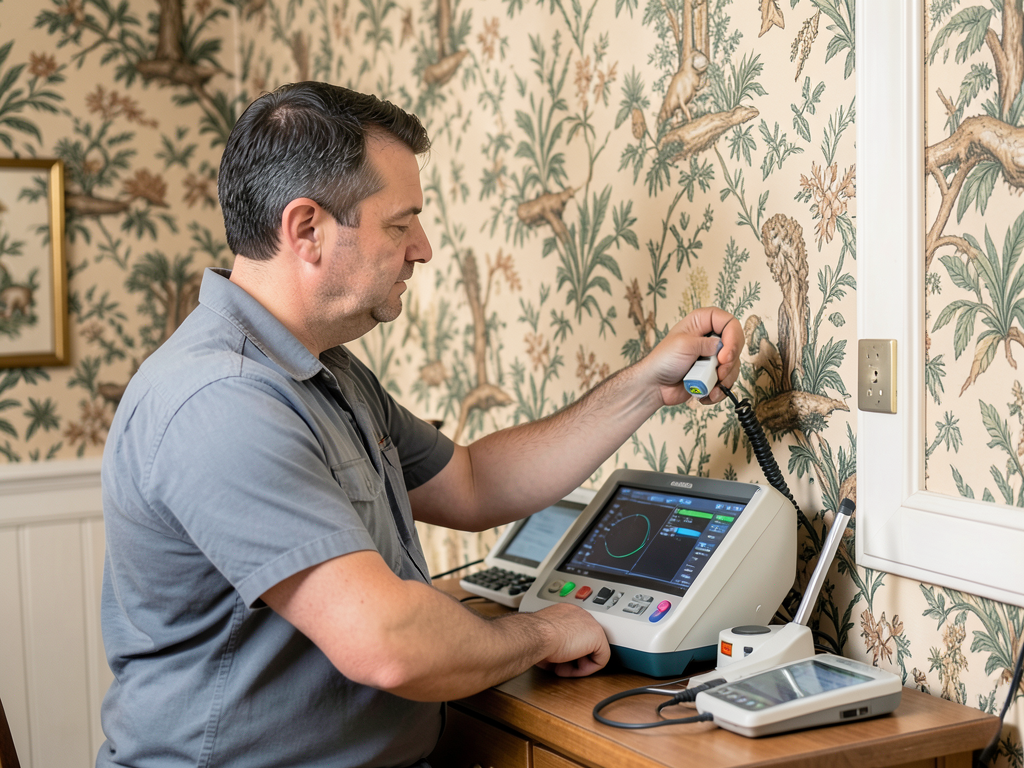
Moisture Meter Testing
A professional-grade moisture meter should read wall moisture content. Readings above 16% indicate significant water presence requiring professional drying equipment.. Read more about Removing Water Stains from High-End Marble Countertops in Your Five Points Kitchen.
Visual Inspection Signs
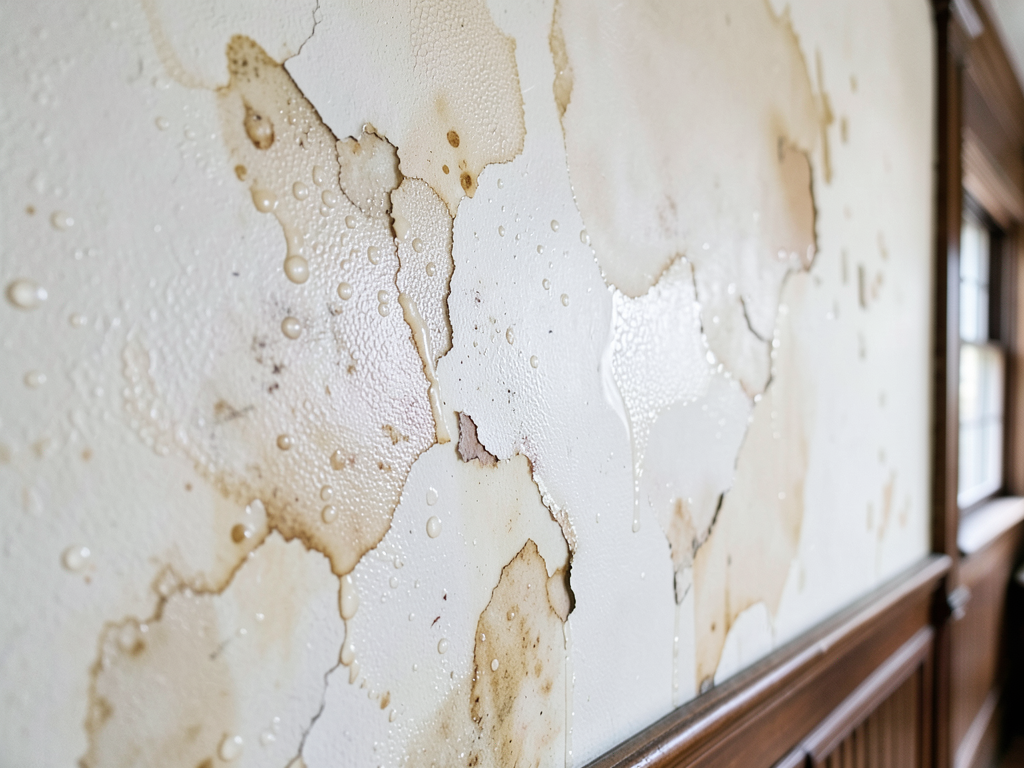
- Bubbling or peeling at seams
- Yellow or brown water stains spreading across patterns
- Musty odor indicating potential mold growth
- Soft spots when pressing on the wall surface
When Wallpaper Can Be Saved
Certain conditions make wallpaper restoration feasible:
- Category 1 water exposure under 48 hours
- Moisture content below 16% after initial drying
- No visible mold growth or musty smell
- Adhesive still intact at seams
For designer wallpaper specifically, the paper type matters significantly. Vinyl-coated papers resist moisture better than traditional paper-based designs. Hand-printed wallpapers often require specialist restoration techniques.
The Professional Restoration Process
If you decide professional restoration is needed, here’s what the process typically involves:
- Moisture Assessment
Technicians use thermal imaging cameras and moisture meters to map water migration patterns behind walls.
- Containment Setup
Plastic sheeting creates containment barriers to prevent cross-contamination during restoration.
- Controlled Drying
Industrial dehumidifiers and air movers dry walls at specific temperatures to prevent paper warping.
- Adhesive Reapplication
Specialized wallpaper adhesives compatible with historic papers are applied to loose seams.
- Stain Blocking
Oil-based primers seal water stains before repainting or re-wallpapering. EPA Mold Guidelines.
DIY Restoration: When It’s Safe to Try
Minor water damage confined to small areas might be manageable as a DIY project. Here’s when you can attempt it:
- Small area affected (less than 10 square feet)
- Category 1 water exposure
- No signs of mold growth
- Moisture content below 15% after blotting
DIY Steps for Minor Damage
- Stop the water source immediately
- Blot excess moisture with clean white towels
- Set up fans for air circulation (avoid direct airflow on paper)
- Test a small area with wallpaper seam adhesive
- Monitor for 48 hours for mold development
The Hidden Danger: Mold Behind Wallpaper
Raleigh’s climate creates perfect conditions for mold growth behind water-damaged wallpaper. The paper surface traps moisture against drywall or plaster, creating an ideal breeding ground for mold spores.
Signs of hidden mold include:
- Musty odor that persists after drying
- Allergic reactions when in the room
- Dark spots visible through the wallpaper
- Persistent dampness despite ventilation
According to EPA guidelines, any visible mold growth requires professional remediation. Attempting to paint over or seal mold-infested areas only traps the problem and can lead to structural damage.
Insurance Considerations for Wallpaper Restoration
Most homeowners insurance policies in Raleigh cover sudden water damage but may exclude gradual damage or maintenance-related issues. Here’s what typically gets covered:
| Damage Type | Coverage Likelihood | Documentation Needed |
|---|---|---|
| Burst pipe | High | Photos, plumber invoice |
| Roof leak | Moderate | Roof inspection report |
| Foundation seepage | Low | Engineering report |
For historic homes in Oakwood, some insurance providers offer specialized coverage for original architectural features. Document damage thoroughly with date-stamped photos before beginning any cleanup.. Read more about Managing the Massive Cleanup After a Large Aquarium Leak in Your Living Room.
Preventing Future Water Damage
After restoration, preventing future damage is crucial. Historic Oakwood homes require specific maintenance approaches:
- Install humidity monitors to track indoor moisture levels
- Schedule annual roof inspections before hurricane season
- Check plumbing annually for corrosion in older copper pipes
- Maintain proper drainage away from foundation walls
Consider installing a whole-house dehumidifier during Raleigh’s humid summer months. Keeping indoor humidity between 30-50% significantly reduces wallpaper moisture absorption.
Cost Comparison: Restoration vs. Replacement
The decision between restoration and replacement often comes down to cost and preservation value. Here’s a typical cost breakdown:
| Option | Cost Range | Timeline | Best For |
|---|---|---|---|
| Professional Restoration | $800-$3,500 | 3-7 days | Designer or historic wallpaper |
| Partial Replacement | $500-$2,000 | 2-4 days | Small damaged areas |
| Full Removal & Repaper | $2,000-$8,000 | 5-10 days | Extensive damage |
Finding the Right Restoration Professional
Not all restoration companies have experience with historic wallpaper. Look for these qualifications:
- IICRC certification in water damage restoration
- Experience with historic home restoration
- References from other Oakwood homeowners
- Knowledge of period-appropriate materials
Ask potential contractors about their experience with your specific wallpaper type. Hand-printed papers from the 1920s require different handling than modern vinyl-coated designs.
Emergency Response: What to Do Immediately
When water damage occurs, your immediate actions can save your wallpaper:
- Stop the water source if possible
- Remove valuables and electronics from the area
- Document damage with photos for insurance
- Begin blotting excess water with clean towels
- Call a professional if damage covers more than 10 square feet
Time is critical. Mold can begin growing within 24-48 hours in Raleigh’s humid climate, making quick response essential for successful restoration.
Frequently Asked Questions
Can I use a hairdryer to dry water-damaged wallpaper?
No. Direct heat can cause wallpaper to bubble, warp, or separate from the wall. Always use controlled drying methods with proper equipment.
How long does professional wallpaper restoration take?
Most projects take 3-7 days depending on damage extent, drying requirements, and repair complexity. Historic papers may require additional time for proper handling.
Will insurance cover my designer wallpaper restoration?
Coverage depends on your policy and the water damage cause. Sudden, accidental damage is more likely covered than gradual issues or maintenance problems.
Can mold behind wallpaper make me sick?
Yes. Mold exposure can cause respiratory issues, allergic reactions, and other health problems. Any suspected mold requires professional assessment and remediation.
Should I remove baseboards when wallpaper gets wet?
Baseboards often trap moisture and should be removed to properly assess and dry wall cavities. This is typically part of professional restoration.
Don’t Wait Until It’s Too Late
Water-damaged wallpaper in your historic Oakwood home requires immediate professional assessment. The longer you wait, the more likely you’ll face mold growth, structural damage, and the need for complete replacement.
Call (984) 294-5900 today to schedule your inspection. Our certified technicians understand the unique challenges of restoring designer wallpaper in Raleigh’s historic homes and can determine if your wallpaper can be saved or if replacement is necessary.
Pick up the phone and call (984) 294-5900 before the next storm hits. Your historic wallpaper deserves expert care from professionals who understand both the art and science of water damage restoration in the Triangle area.
You may also find this helpful. Is That Wet Spot on Your Ceiling Actually a Fireplace Leak in Your Wildwood Green Home?.
You may also find this helpful. Saving Custom Built-In Bookshelves After a Water Leak in Your Lassiter Mill Study.