
How a Simple Water Leak Can Lead to Mold in Your Tryon Village Home air Ducts
A small plumbing drip or roof leak can silently feed mold growth inside your Tryon Village home’s air ducts within 24 to 48 hours. North Carolina’s high humidity creates the perfect environment for spores to multiply once moisture enters the HVAC system. This guide explains the hidden connection between leaks and ductwork contamination so you can act before health risks escalate. North Carolina Department of Health.
The Connection: How Water Leaks Lead to HVAC Mold
Water follows the path of least resistance through your home’s structure. When a leak occurs near duct runs, moisture seeps into fiberglass insulation or collects in duct boots. Combined with organic dust and skin cells circulating through vents, this creates a nutrient-rich breeding ground for mold colonies. The EPA reports that once relative humidity exceeds 60% inside ducts, microbial growth accelerates rapidly. EPA mold information.
Signs of Mold Growth in Your Raleigh Home’s Ductwork
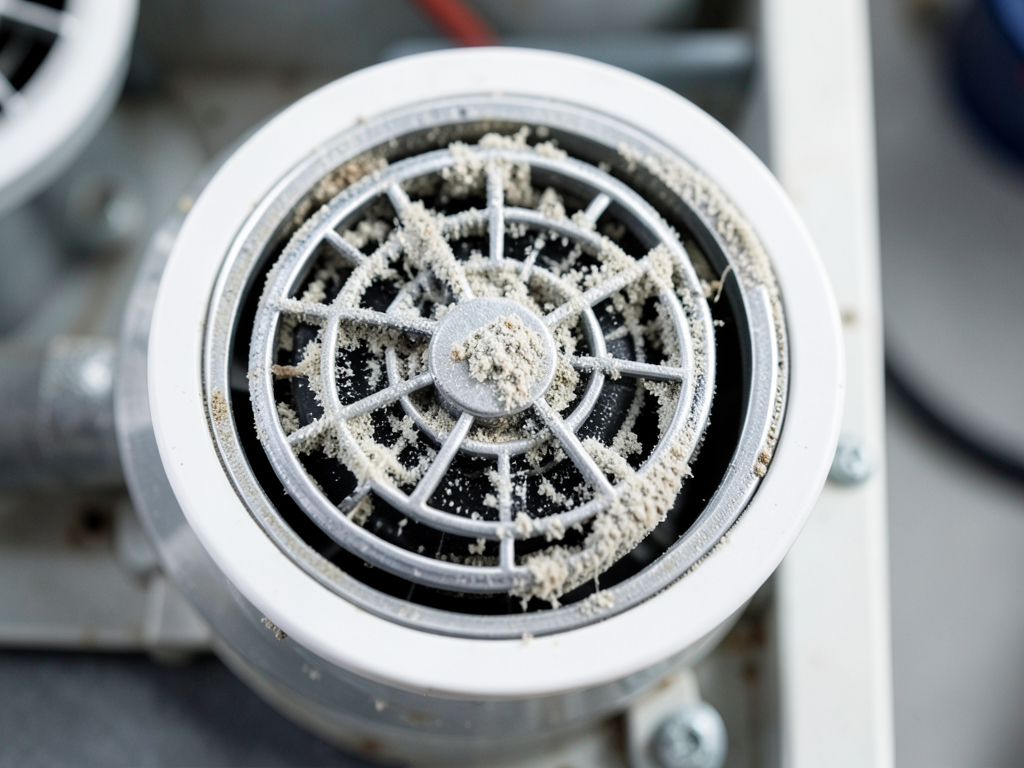
Musty odors when your AC kicks on indicate active mold colonies releasing microbial volatile organic compounds. Black or greenish spotting around vent registers signals visible contamination. Unexplained allergy symptoms, headaches, or respiratory irritation that improve when away from home point to poor indoor air quality from mold spores circulating through your HVAC system. High Indoor Humidity Levels.
The Danger of ‘DIY’ Vent Cleaning After a Leak
Attempting to clean mold-contaminated ducts without proper containment spreads millions of spores throughout your home via the HVAC blower. Professional remediation requires negative air pressure machines and HEPA filtration to prevent cross-contamination. The IICRC S520 Standard mandates specific protocols for Category 3 water damage scenarios where mold is present. IICRC S520 Standard.
Professional Remediation Process for Raleigh Properties
- Initial Inspection and Testing
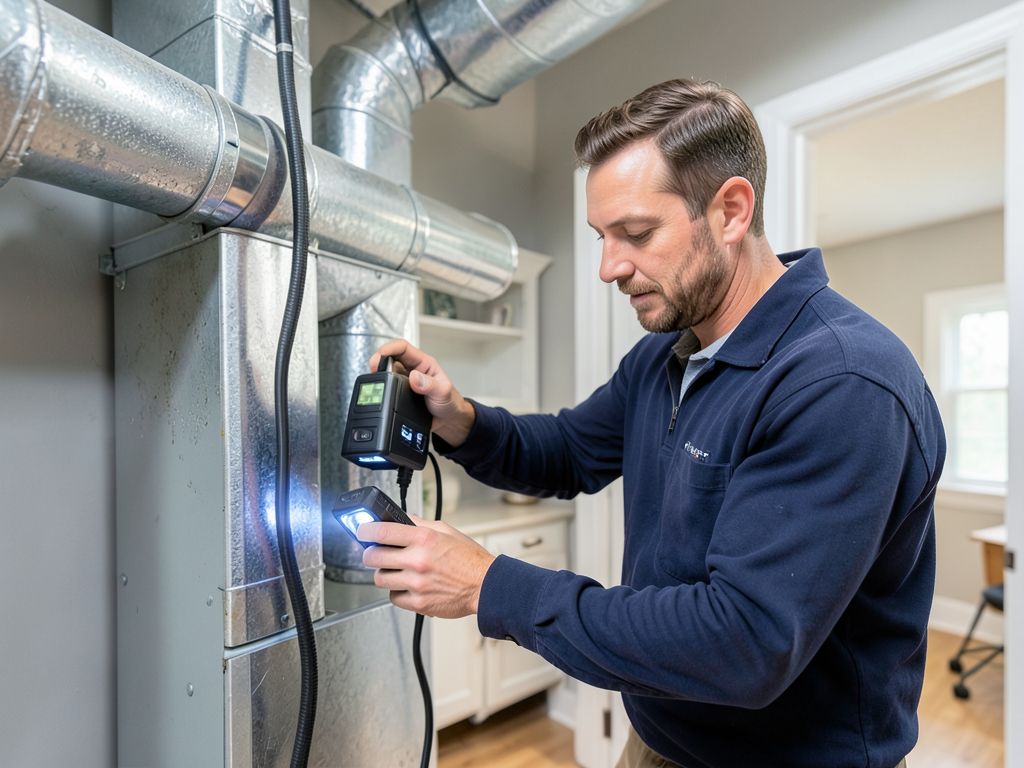
Technicians use moisture meters and thermal imaging to locate hidden water sources feeding mold growth. Air quality samples identify specific mold species present. How to Choose the Best Water Restoration Company in Cary Without Getting Ripped Off.
- Containment Setup
Physical barriers and negative air machines create isolation zones to prevent spore migration during remediation.
- HEPA Vacuuming and Removal
HEPA-filtered equipment removes visible mold and contaminated insulation from duct interiors and boots.
- Antimicrobial Treatment
EPA-registered biocides fogged throughout the system kill remaining spores and prevent regrowth.
- Dehumidification and Drying
Industrial dehumidifiers reduce relative humidity below 50% to create an inhospitable environment for mold.
Preventing Future Mold in North Carolina’s Humid Climate
Maintain indoor humidity between 30-50% using whole-house dehumidifiers. Schedule annual HVAC inspections to catch small leaks before they cause major contamination. Replace water-damaged duct insulation rather than attempting to clean it, as porous materials harbor mold roots that cleaning cannot reach. Who to Call for Emergency Water Damage in Downtown Raleigh at 3 AM.
Health Risks of Mold in HVAC Systems
Stachybotrys chartarum and other toxigenic molds release mycotoxins that can cause neurological symptoms, chronic fatigue, and respiratory distress. Children, elderly individuals, and those with compromised immune systems face heightened risks from prolonged exposure to mold-contaminated air circulating through home vents.
Insurance Coverage for Mold Resulting from Sudden Leaks
Most homeowners insurance policies cover mold remediation if caused by sudden, accidental water damage like burst pipes. However, mold resulting from ongoing maintenance issues or high humidity typically falls under maintenance exclusions. Document the leak source and damage extent immediately after discovery for successful claims processing. Water Damage Restoration Cary.
Why Tryon Village Homes Face Unique Risks
Tryon Village’s proximity to Crabtree Creek means many homes sit on soil with poor drainage characteristics. The area’s mix of 1970s-1990s construction often features aging ductwork with deteriorating insulation that readily absorbs moisture. Local building codes require vapor barriers in crawl spaces, but many older homes lack proper moisture mitigation systems. Tryon Village’s clay-heavy soil retains water longer than sandy soils, creating persistent moisture problems around foundation walls. Local Experts for Mold Remediation and Water Damage in Five Points.
Emergency Response Steps After Discovering a Leak
Shut off the water source immediately to prevent further moisture intrusion. Remove standing water with wet vacuums or pumps. Increase air circulation with fans and open windows if weather permits. Contact a professional restoration company within 24 hours to assess potential mold growth and begin proper drying procedures.. Read more about Spotting Water Damage in a Vacant Rental Property in the Avent Ferry Area.
Comparing Professional vs DIY Remediation
| Factor | Professional Remediation | DIY Cleaning |
|---|---|---|
| Equipment | HEPA vacuums, negative air machines, commercial dehumidifiers | Household vacuums, box fans |
| Containment | Sealed containment zones with pressure differentials | No containment, cross-contamination likely |
| Effectiveness | 99.97% spore removal per HEPA standards | Surface cleaning only, roots remain |
| Safety | OSHA-compliant PPE, proper disposal | Exposure risk without protection |
Local Building Code Requirements
The North Carolina Mechanical Code Section 603.1 requires sealed duct systems in new construction to prevent moisture intrusion. Raleigh’s building inspections mandate proper condensate drainage for all HVAC equipment to prevent water accumulation that could feed mold growth. These codes evolved after widespread mold issues in 1990s construction.. Read more about Signs of Hidden Moisture Under Natural Stone Tile in Your Renaissance Park Master Bath.
Moisture Mapping Technology
Modern restoration companies use infrared cameras to detect temperature variations indicating moisture behind walls or under floors. This technology reveals the full extent of water migration that may not be visible to the naked eye. Combined with moisture meters, technicians can create accurate drying plans targeting all affected areas.
Long-Term Cost Benefits of Professional Remediation
Professional mold remediation costs $2,000-$6,000 depending on contamination extent, but prevents exponentially higher expenses from structural damage and health issues. DIY attempts often require professional intervention later, doubling overall costs. Insurance companies prefer claims with professional documentation showing proper remediation procedures were followed.
Frequently Asked Questions
How quickly does mold grow after a water leak?
Under optimal conditions, mold can begin growing within 24-48 hours of water exposure. The combination of moisture, organic material, and temperatures between 77-86°F accelerates colonization rates significantly.. Read more about How to Choose Between a Plumber and a Water Restoration Pro for Your Leesville Home Leak.
Can I stay in my home during mold remediation?
Most remediation projects allow occupants to remain in unaffected areas of the home. However, individuals with respiratory conditions or compromised immune systems should relocate during active remediation work.
Will cleaning vents alone solve a mold problem?
No. Mold in vents indicates contamination throughout the HVAC system and often the building structure. Professional remediation addresses all affected areas, not just visible contamination in vents.
How can I tell if my ducts need replacement vs cleaning?
Porous duct insulation that has been wet typically requires replacement rather than cleaning. Metal ducts with surface mold can often be cleaned and treated if the insulation remains dry and intact.
Does homeowners insurance cover mold from water leaks?
Insurance typically covers sudden, accidental water damage causing mold. However, mold from maintenance issues, flooding, or high humidity usually requires separate coverage or falls under maintenance responsibilities.
Take Action Before Your Small Leak Becomes a Big Problem
Water leaks in Tryon Village homes can escalate from minor nuisances to serious mold contamination within days. The humid North Carolina climate means moisture problems worsen rapidly once they start. Don’t wait until you notice musty odors or experience health symptoms to address potential mold growth in your air ducts.
Professional restoration technicians can identify hidden moisture sources, contain contamination, and restore your indoor air quality to safe levels. With proper equipment and IICRC-certified protocols, we eliminate mold at its source rather than just treating symptoms.
Call (984) 294-5900 today to schedule your inspection before the next storm hits. Our emergency response team serves Tryon Village and all of Raleigh with 24/7 availability for water damage and mold remediation services.
Pick up the phone and call (984) 294-5900 now. Every hour counts when water meets your home’s air ducts in North Carolina’s humid climate.. Read more about Why Every ITB Smart Home Needs a Main Water Shutoff Valve (And Which One to Buy).
You may also find this helpful. Comparing Low-VOC and Green Restoration Methods for Your Caraleigh Nursery.