
How to Choose Between a Plumber and a Water Restoration Pro for Your Leesville Home Leak
When water starts gushing from a pipe in your Leesville home, panic sets in fast. The first decision you make could save you thousands of dollars or cost you even more. Should you call a plumber to stop the leak or a water restoration company to clean up the mess? The answer depends on what you’re facing. How to Choose the Best Water Restoration Company in Cary Without Getting Ripped Off.
Here’s the bottom line: call a plumber first if you need to stop active water flow. Call a restoration company first if you need to prevent mold growth and structural damage. In many cases, you’ll need both professionals working in sequence to fully resolve the emergency. Who to Call for Emergency Water Damage in Downtown Raleigh at 3 AM.
Leesville homes, like much of Raleigh’s older neighborhoods, face unique challenges. Many were built between the 1960s and 1980s with galvanized steel pipes that corrode from the inside out. When these pipes fail, the resulting water damage spreads quickly through wood framing, drywall, and insulation. The humid North Carolina climate means moisture doesn’t just evaporate away—it creates the perfect breeding ground for mold within 24-48 hours. Water Damage Restoration Cary.
Understanding the Key Differences Between These Two Professionals
Plumbers and water restoration professionals serve different but complementary roles in emergency situations. Understanding these differences helps you make the right call when disaster strikes.
Plumber’s Role: Source Control and Repair
Plumbers focus on the origin of the problem. Their job is to stop water from flowing where it shouldn’t be. They work with pipes, fixtures, valves, and drainage systems. When you have a burst pipe, a leaking water heater, or a backed-up sewer line, a plumber is your first line of defense.
A typical plumber’s toolkit includes pipe wrenches, soldering equipment, drain snakes, and pressure gauges. They diagnose the problem, shut off the water supply, and make repairs to prevent further leakage. Their work is essential but limited to the plumbing system itself. EPA Mold Information.
Water Restoration Pro’s Role: Damage Mitigation and Recovery
Water restoration professionals focus on what happens after water escapes its intended path. They deal with the aftermath—wet carpets, soaked drywall, damaged hardwood floors, and the looming threat of mold growth. Their work involves extraction, drying, dehumidification, and sometimes reconstruction.
Restoration companies use industrial-grade equipment like truck-mounted extractors, high-capacity dehumidifiers, air movers, and moisture meters. They follow the IICRC S500 Standard for Professional Water Damage Restoration, which provides specific protocols for different categories of water damage. IICRC S500 Standard.
When to Call a Plumber First
Call a plumber immediately if you have any of these situations:
- Active water flowing from a broken pipe or fixture
- No water pressure throughout your home
- Water heater leaking or not producing hot water
- Sewer backup with active overflow
- Suspected gas leak near water heater or boiler
The plumber’s first priority is to stop the source of water. They’ll locate the main shutoff valve, isolate the problem area, and make necessary repairs. Without this step, any restoration work becomes pointless—you’re just cleaning up water that keeps flowing.
When to Call a Restoration Company First
Call a restoration company if you discover these conditions:
- Standing water in your basement or crawl space
- Wet carpets or hardwood floors with no visible leak source
- Musty odors suggesting hidden moisture
- Water stains on ceilings or walls from unknown sources
- Recent storm damage with water intrusion
Restoration companies can often work without the water source being active. They’ll extract standing water, set up drying equipment, and monitor moisture levels. Their work prevents secondary damage like mold growth and wood rot.
The Gray Area: When You Need Both
Many water emergencies require coordination between both professionals. Here’s a common scenario in Leesville homes:
A homeowner discovers water leaking from a second-floor bathroom. The source is a cracked toilet supply line. The plumber arrives first, shuts off the water, and replaces the supply line. Meanwhile, water has already traveled through the floor, soaked the ceiling below, and pooled in the first-floor living room.
In this case, you need both services working together. The plumber handles the active leak, while the restoration company extracts water from the ceiling, removes damaged drywall, sets up drying equipment, and monitors for hidden moisture in wall cavities.
Insurance Considerations: Who Handles Documentation
Insurance companies often prefer restoration companies for documentation because they use standardized estimating software called Xactimate. This software creates detailed reports with photos, moisture readings, and room measurements that insurance adjusters understand and trust.
Plumbers typically provide basic invoices listing parts and labor. While this documentation is necessary for the repair portion, it doesn’t capture the full scope of water damage restoration needed. Insurance adjusters need to see the complete picture of damage extent, drying requirements, and necessary reconstruction.
Restoration companies also understand the insurance claim process. They know how to categorize water damage (Category 1, 2, or 3) and can explain to adjusters why certain materials need removal versus drying in place.
Raleigh’s Climate Makes Professional Drying Non-Negotiable
North Carolina’s humidity levels average 70-80% year-round, creating conditions where water doesn’t evaporate quickly on its own. In drier climates, you might get away with shop-vacuuming water and using household fans. Not in Raleigh.
The science of psychrometrics—the study of air and moisture properties—dictates that professional drying requires specific temperature, humidity, and air movement parameters. Restoration companies use LGR (Low-Grain Refrigerant) dehumidifiers that can remove 20-25 gallons of water per day from the air, something household dehumidifiers cannot match.
Without proper drying, wood framing can retain moisture content above 16%, creating conditions for mold growth and structural weakening. The EPA states that mold can begin growing within 24-48 hours of water exposure, and once established, remediation costs multiply significantly.
Cost-Benefit Analysis: Short-Term Savings vs Long-Term Risk
Many homeowners try to save money by having a plumber handle everything or attempting DIY cleanup. This often backfires. Here’s why:. Read more about Why Every ITB Smart Home Needs a Main Water Shutoff Valve (And Which One to Buy).
A plumber might charge $150-300 to fix a supply line. A restoration company might charge $2,000-5,000 to properly dry and restore the affected area. The temptation is to skip the restoration and just fix the leak.
But consider the alternative: undetected moisture leads to mold growth within days. Professional mold remediation costs $5,000-15,000. Wood rot requires structural repairs costing thousands more. Your insurance might deny coverage for secondary damage if you didn’t properly mitigate the initial loss.
The initial restoration cost becomes an investment that prevents exponentially higher expenses later.
The Handoff Process: Coordinating Both Professionals
When you need both services, here’s the recommended workflow:
- Call a restoration company immediately for emergency response. They’ll arrive within 1-2 hours with extraction equipment.
- While they’re en route, call a plumber to address the source. They may take 3-4 hours for a scheduled repair.
- The restoration team extracts standing water and begins drying before the plumber arrives.
- Once the plumber stops the leak, restoration continues without interruption.
- Both professionals coordinate through you or your insurance company.
Many restoration companies maintain relationships with local plumbers and can recommend reliable professionals. Some even have plumbers on staff or on call for emergency situations. Local Experts for Mold Remediation and Water Damage in Five Points.
Red Flags: When DIY Becomes Dangerous
Certain situations require professional intervention regardless of cost concerns:
- Category 3 water (sewage, flooding from rivers) contains harmful bacteria and requires specialized PPE and disposal methods
- Water near electrical panels or outlets creates shock hazards
- Structural damage with sagging ceilings or compromised flooring
- Water in confined spaces like crawl spaces where ventilation is limited
- Gas water heaters with standing water around the base
In these cases, your first call should be to a restoration company with 24/7 emergency response. They’ll assess safety hazards and coordinate with other professionals as needed.
Preparation: What to Do While Waiting for Help
If you discover water damage, take these immediate steps while waiting for professionals:
- Shut off the main water valve if you can locate it safely
- Turn off electricity to affected areas at the breaker panel
- Move valuables and electronics to dry areas
- Document damage with photos and videos for insurance
- Remove standing water with towels or a wet vacuum if safe
- Open windows and doors to improve air circulation
Never enter standing water if you can’t confirm the electricity is off. Never use household vacuums for water extraction—they can cause electrical shock or damage.
Local Expertise Matters: Why Choose Raleigh-Based Professionals
Leesville homes share characteristics with much of Raleigh’s housing stock from the mid-20th century. These homes often have:
- Galvanized steel plumbing that corrodes internally
- Balloon framing that allows water to travel between walls
- Crawl spaces with inadequate vapor barriers
- Flat roof sections prone to ponding water
- Cast iron drain lines nearing end of service life
Local professionals understand these construction patterns and know where to look for hidden damage. They’re familiar with Wake County building codes and can ensure repairs meet current standards.
Making the Right Call: Quick Decision Guide
Use this simple decision tree when water emergencies strike:
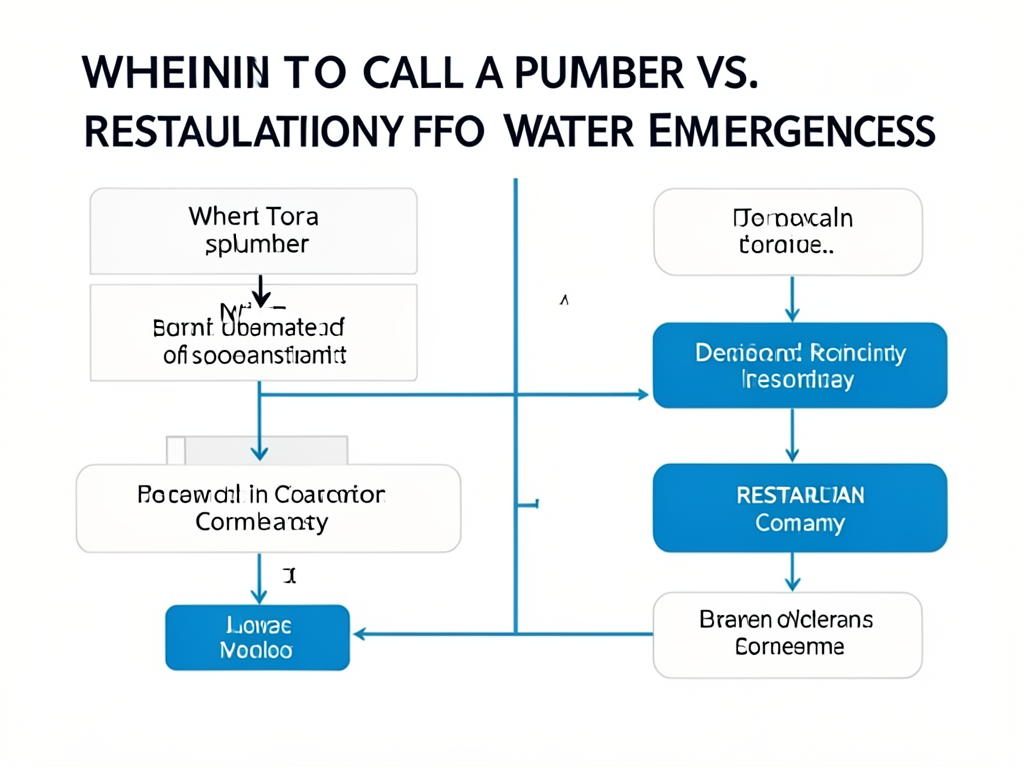
Diagram showing decision flowchart: Active leak? → Call plumber. Standing water? → Call restoration. Both? → Call restoration first, then plumber.
The key is speed. Water damage worsens by the minute, and mold begins growing within 48 hours. Whether you need a plumber, a restoration company, or both, make that call immediately.
Frequently Asked Questions
Can a plumber handle water extraction and drying?
Most plumbers don’t have the specialized equipment or training for proper water extraction and structural drying. While they might have shop vacuums and fans, they typically lack industrial-grade dehumidifiers, moisture meters, and the IICRC S500 training that restoration professionals have.
How much does water damage restoration cost in Raleigh?
Costs vary widely based on damage extent, but typical ranges are $1,500-4,000 for minor incidents and $5,000-15,000 for major damage requiring demolition and reconstruction. Insurance often covers sudden, accidental water damage minus your deductible.
Will my insurance cover both the plumber and restoration company?
Most homeowners policies cover sudden, accidental water damage from internal sources. This typically includes both the plumbing repair and restoration work. However, damage from neglected maintenance or external flooding usually isn’t covered without specific endorsements.
Don’t Wait Until It’s Too Late
Water damage doesn’t improve with time—it only gets worse. The humid Raleigh climate means moisture lingers, mold grows quickly, and structural damage accelerates. Whether you need a plumber to stop a leak or a restoration company to prevent mold growth, professional help makes the difference between a quick recovery and a costly disaster.
If you’re facing water damage in your Leesville home right now, call (984) 294-5900 for 24/7 emergency response. Our certified technicians will arrive within hours to assess the damage, extract water, and begin the drying process. We work directly with insurance companies and can coordinate with your plumber to ensure complete restoration.
For non-emergency situations or questions about preventing water damage, we’re here to help. Don’t let a small leak become a major problem. Call (984) 294-5900 today to schedule your inspection before the next storm hits.. Read more about Preventing Winter Pipe Bursts in Your Hasentree Outdoor Kitchen.
Ready to Protect Your Home?
Water damage waits for no one. Whether you need immediate emergency service or want to prevent future problems, professional help is just a phone call away. Contact us at (984) 294-5900 for fast, reliable service you can trust. Your home deserves the best protection available. Finding Reliable 24 Hour Water Damage Restoration in Wake Forest.
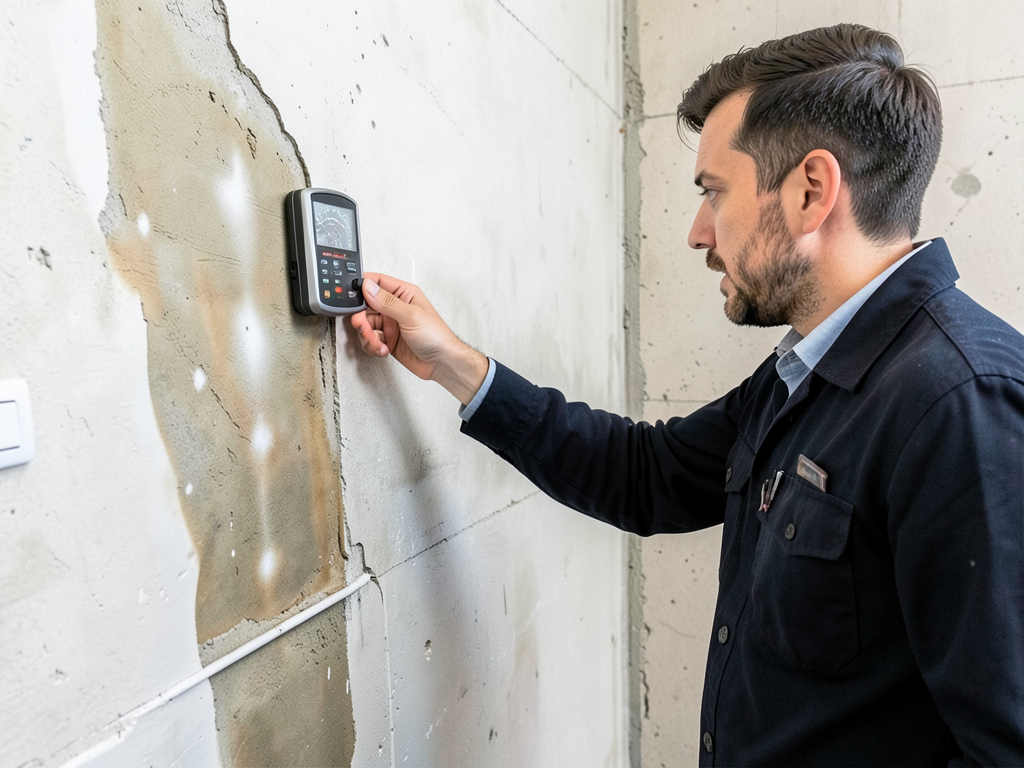
Photo of restoration technician using moisture meter to check wall cavity for hidden moisture.
Photo of industrial air movers and dehumidifiers set up in water-damaged living room.
You may also find this helpful. The Warning Signs of a Failing Toilet Wax Ring in Your Chavis Heights Bathroom.