
Why You Need a Restoration Specialist Instead of a General Contractor After a Major Flood
When water floods your Raleigh home or business the clock starts ticking. Every hour of delay increases the risk of mold growth structural damage and insurance claim complications. You might think calling your general contractor is the logical next step but that decision could cost you thousands more in repairs and lost time. EPA Mold Guidelines.
Water restoration specialists bring IICRC-certified training specialized drying equipment and 24/7 emergency response that general contractors simply cannot match. This article explains the critical differences and why choosing the right professional from the start protects your property and your wallet. How to Choose the Best Water Restoration Company in Cary Without Getting Ripped Off.
Quick Comparison: Restoration Specialist vs General Contractor
| Factor | Restoration Specialist | General Contractor |
|---|---|---|
| Response Time | 60 minutes or less | 24-48 hours |
| Equipment | LGR dehumidifiers HEPA scrubbers moisture meters | Basic fans and shop vacs |
| Certification | IICRC S500 standards | Building construction focus |
| Insurance Handling | Xactimate billing direct to adjusters | May require upfront payment |
| Mold Prevention | Antimicrobial treatments moisture mapping | Construction only after drying |
What Makes a Water Restoration Specialist Different
Water restoration specialists operate under IICRC S500 standards which govern every aspect of water damage mitigation. These standards require specific training in psychrometrics the science of moisture removal and air quality control. A specialist understands that Category 1 clean water from a broken pipe becomes Category 2 gray water within 48 hours and Category 3 black water with microbial contamination shortly after. Who to Call for Emergency Water Damage in Downtown Raleigh at 3 AM.
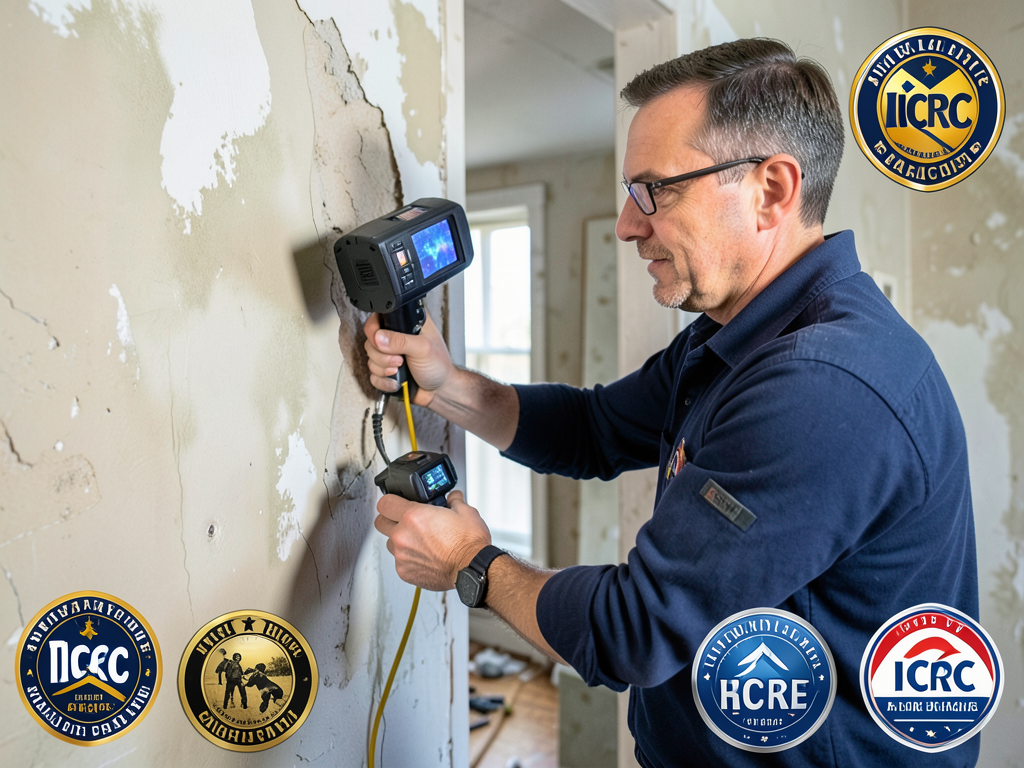
During a recent flood response in North Hills we arrived at a home where the homeowner had already called their GC. The GC planned to start demolition the next day. Our moisture mapping revealed water trapped in wall cavities that would have caused extensive mold growth. The GC lacked the thermal imaging cameras and moisture meters needed to detect hidden moisture. Water Damage Restoration Cary.
The Science Behind Professional Water Extraction
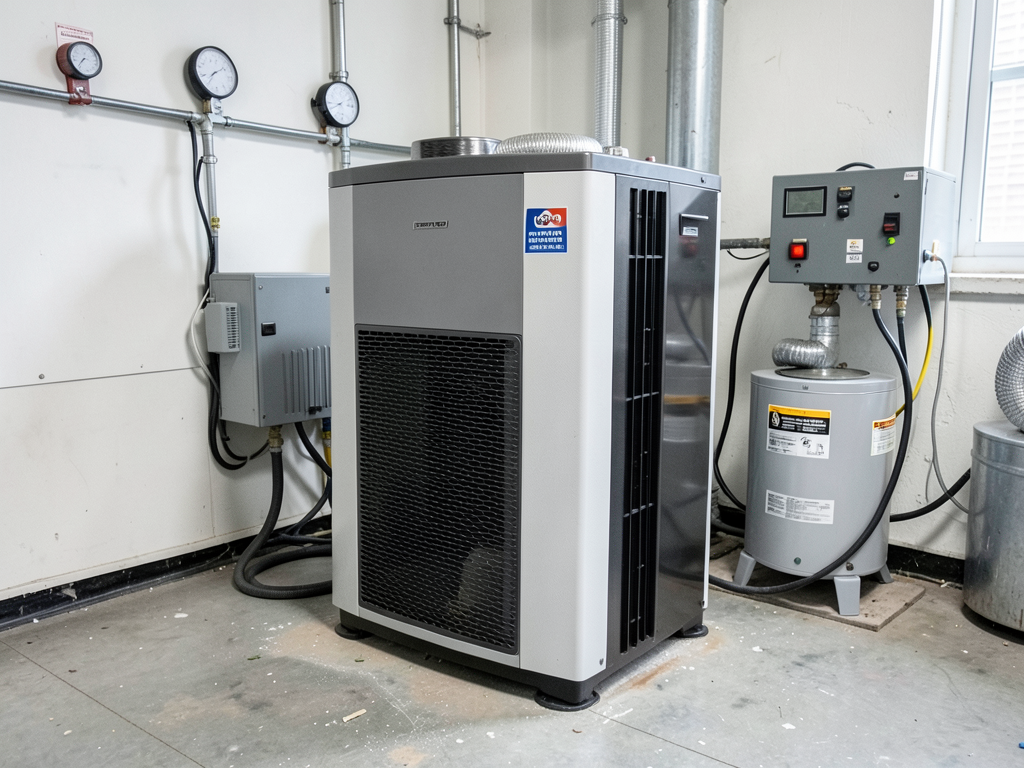
Professional restoration uses Low Grain Refrigerant dehumidifiers that remove 20-30 gallons of water per day from the air. These units maintain specific humidity levels that prevent secondary damage. General contractors typically use standard fans that circulate moist air without actually removing moisture from building materials. High Indoor Humidity Levels.
We use moisture meters with probes that test wood at multiple depths. Surface readings can be misleading when water wicks up through materials. Our technicians document moisture content in materials like drywall carpet and subfloor to ensure complete drying before reconstruction begins.. Read more about Why In-Place Drying Is Better Than Total Demolition for Your Harrington Grove Living Room.
When General Contractors Are the Right Choice
General contractors excel at reconstruction and renovation work. Once water damage mitigation is complete and all materials are certified dry a GC becomes essential for rebuilding walls installing new flooring and restoring your property to its original condition or better.. Read more about Financing Your Water Damage Restoration When Insurance Does Not Cover the Whole Bill.
Think of the process like this: restoration specialists stop the bleeding and stabilize the patient. General contractors perform the reconstructive surgery. You need both but the order matters critically. Starting with a GC means you pay for demolition twice and risk insurance claim denials for improper mitigation procedures.
Insurance Claims and the Xactimate Advantage
Professional restoration companies use Xactimate software which insurance companies recognize and trust. This software generates detailed line-item estimates that include labor equipment and materials. When we submit a claim using Xactimate adjusters process payments faster because they know the pricing is standardized and accurate.
General contractors often provide handwritten estimates or use construction estimating software that insurance companies must verify separately. This verification process adds weeks to your claim timeline. During hurricane season in Raleigh delays can mean living in a damaged home longer than necessary.
The Raleigh Climate Factor
Raleigh’s humid subtropical climate creates unique challenges for water damage restoration. Our average relative humidity stays above 70% for much of the year. This means water evaporates more slowly and mold grows faster than in drier climates. The North Carolina Building Code requires specific vapor barrier installations in crawl spaces which affect how water damage spreads through a structure.
During summer thunderstorms water can enter through foundation cracks that expand and contract with our clay soil. The heavy Carolina red clay retains moisture against foundations creating hydrostatic pressure that forces water through concrete. General contractors may not understand these local factors that affect drying strategies. Local Experts for Mold Remediation and Water Damage in Five Points.
The Golden Hour in Water Damage Response
Water damage restoration follows a critical timeline. Within the first 24 hours clean water begins supporting microbial growth. Between 24-48 hours materials start warping and delaminating. After 72 hours mold colonization becomes visible and requires professional remediation under EPA guidelines.. Read more about Cleaning Up the Mess After a Fire Sprinkler Malfunction in a North Hills High-Rise.
General contractors typically cannot respond within this golden hour. Their business model focuses on scheduled renovations not emergency response. By the time a GC can mobilize to your location the water damage has often progressed to a more expensive and dangerous stage requiring additional services.
Specialized Equipment General Contractors Don’t Own
Professional restoration companies invest in specialized equipment that general contractors rarely purchase. This includes:
- Desiccant dehumidifiers for low-temperature drying
- Air scrubbers with HEPA filtration for airborne contaminants
- Infrared cameras for moisture detection behind walls
- Submersible pumps for standing water removal
- Moisture mapping software for documentation
This equipment costs tens of thousands of dollars and requires specific training to operate effectively. A GC might own a shop vac and some box fans but lacks the technology to handle Category 3 water damage or document the drying process for insurance purposes.
The Three Categories of Water Damage
Understanding water categories helps explain why certification matters. Category 1 water comes from clean sources like broken supply lines. Category 2 includes dishwasher or washing machine overflows with some contamination. Category 3 involves sewage groundwater or floodwater with dangerous pathogens.
IICRC-certified technicians know how to test water quality and apply appropriate antimicrobial treatments. They wear personal protective equipment and follow OSHA guidelines for handling contaminated materials. General contractors lack this certification and may not recognize Category 3 water requiring specialized handling procedures.
24/7 Emergency Response Logistics
Water damage rarely happens during business hours. Professional restoration companies maintain on-call teams with vehicles stocked with extraction equipment. When you call at 2 AM we can dispatch a crew within 60 minutes to begin water removal immediately.
General contractors operate on scheduled appointments. Even if they answer an emergency call they need time to gather equipment and may not have the right tools for immediate water extraction. This delay allows water to spread through building materials causing exponentially more damage.
Can a Company Be Both
Some restoration companies employ general contractors on staff creating a one-stop solution. This model works well because the restoration team handles emergency response while the construction team manages rebuilding. You get seamless transitions between mitigation and reconstruction without multiple contractors coordinating schedules.
When evaluating companies ask if they have both restoration and reconstruction capabilities. Also verify their IICRC certifications and insurance experience. A company that only does construction may claim to handle water damage but lacks the emergency response infrastructure and technical knowledge required.
The Cost Factor: Why Speed Saves Money
Initial restoration costs may seem higher than waiting for a general contractor but speed actually saves money. Quick water removal prevents secondary damage to cabinets flooring and structural elements. Mold remediation can cost $5000-$25000 depending on extent. Preventing mold through rapid response often costs less than half that amount.
Insurance companies also prefer quick professional response. Many policies require policyholders to mitigate damage to prevent further loss. Calling a GC who cannot respond for days may violate your policy terms and reduce your claim coverage.
Local Building Codes and Permit Requirements
Raleigh and Wake County have specific requirements for water damage repairs. The North Carolina Building Code requires permits for structural repairs and electrical work affected by water damage. Professional restoration companies understand these requirements and can coordinate with local building departments.
General contractors know construction codes but may not be familiar with the documentation requirements for insurance claims or the specific protocols for water damage that prevent future problems. This knowledge gap can lead to code violations or failed inspections.
Making the Right Call When Disaster Strikes
Keep a restoration specialist’s number programmed in your phone before you need it. When water damage occurs you’ll be stressed and making quick decisions. Having the right contact ready prevents the costly mistake of calling an unprepared general contractor first.
Professional restoration companies offer free inspections and can often bill insurance directly. This means you can get expert assessment without upfront costs. They also provide documentation that protects your insurance claim and ensures proper restoration procedures.
Don’t Wait Until It’s Too Late
Water damage escalates quickly in Raleigh’s humid climate. Every hour matters when protecting your home or business from structural damage mold growth and insurance complications. While general contractors play an important role in reconstruction they lack the emergency response capabilities specialized equipment and certification required for effective water damage mitigation.
Call (984) 294-5900 today to connect with IICRC-certified restoration specialists who understand Raleigh’s unique challenges and can respond within 60 minutes. Our team brings the right equipment training and experience to protect your property from escalating water damage. Don’t let a general contractor’s delayed response turn a manageable problem into a costly disaster.
Frequently Asked Questions
Can I use my general contractor for water damage cleanup?
General contractors lack the specialized equipment certification and 24/7 emergency response needed for effective water damage mitigation. They may cause more damage through delayed response and improper drying techniques that promote mold growth.
How quickly should water damage be addressed?
Water damage should be addressed within 24 hours to prevent mold growth and structural damage. Professional restoration companies can typically respond within 60 minutes while general contractors may take 24-48 hours to mobilize.
Will my insurance cover restoration services?
Most homeowners insurance policies cover sudden water damage from burst pipes or appliance failures. Professional restoration companies use Xactimate software that insurance adjusters recognize and can often bill insurance companies directly.
What certifications should a restoration company have?
Look for IICRC certification specifically in water damage restoration. This certification ensures technicians understand proper drying techniques moisture mapping and mold prevention protocols required by industry standards.
How much does professional water damage restoration cost?
Costs vary based on damage extent but most restoration companies offer free inspections and can bill insurance directly. Quick response often prevents more expensive secondary damage making professional restoration cost-effective compared to delayed general contractor response. For more information, visit FEMA Disaster Assistance.
You may also find this helpful. Managing the Massive Cleanup After a Large Aquarium Leak in Your Living Room.
You may also find this helpful. Rescuing Your Brier Creek Gym Floor After a Water Main Break.