
How to Get Rid of That Musty Post-Flood Smell in Your Village District Basement
That musty smell after a basement flood is more than just unpleasant. It is a warning sign that moisture is still trapped in your walls, floors, and belongings. In Raleigh’s Village District, where older homes often sit on clay-heavy soil and humidity levels stay high year-round, that odor can linger for weeks or months if not handled properly. Raleigh climate data.
The good news is that you can tackle it with the right approach. This guide walks you through what causes the smell, how to stop it from getting worse, and when it is time to bring in a professional restoration team. If you are dealing with a flood in your Village District home, keep reading to protect your property and your health.. Read more about Why You Need Professional Structural Drying After a Leak in Your Holly Springs Home.
What Causes That Musty Smell After a Flood
The odor you notice is not just old water. It comes from microbial volatile organic compounds, or mVOCs, released by mold and bacteria growing in damp materials. These compounds are gases that escape into the air and create that damp, earthy smell. How to Choose the Best Water Restoration Company in Cary Without Getting Ripped Off.
In Raleigh, the problem is often worse because of our climate. North Carolina summers bring high humidity, which slows natural drying and gives mold more time to grow. Homes in the Village District, many built in the 1950s and 1960s, often have basements or crawl spaces that were not designed with modern vapor barriers. When water enters, it can get trapped in concrete, wood, and insulation, feeding the microbes that produce the smell. Who to Call for Emergency Water Damage in Downtown Raleigh at 3 AM.
Common sources of post-flood odors include:
- Damp drywall and insulation that wick moisture upward
- Wet carpet padding and subfloors
- Standing water under flooring or behind baseboards
- Clogged or slow-draining French drains common in older Village District homes
Left untreated, these materials can harbor mold within 24 to 48 hours, according to IICRC S500 standards for water damage restoration. That is why fast action is critical. IICRC S500 standards.
Immediate Steps to Reduce Odors After a Flood
If you are facing a flooded basement right now, follow these steps to start reducing the smell and preventing further damage. Water Damage Restoration Cary.
- Stop the Water Source
Turn off the main water supply if the flooding is from a burst pipe. If it is from outside, wait for the storm to pass and water levels to drop before entering.. Read more about Can Your Water Damaged Carpet Be Saved or Should You Rip It Out?.
- Remove Standing Water
Use a wet/dry vacuum or pump to extract as much water as possible. The longer water sits, the more it seeps into materials and feeds odor-causing microbes.. Read more about Red Flags for Water Damage to Look for When Buying a Home in Glenwood South.
- Increase Airflow
Open windows and use fans to move air. If humidity outside is high, skip this step and go straight to dehumidification. High Indoor Humidity Levels.
- Deploy Dehumidifiers
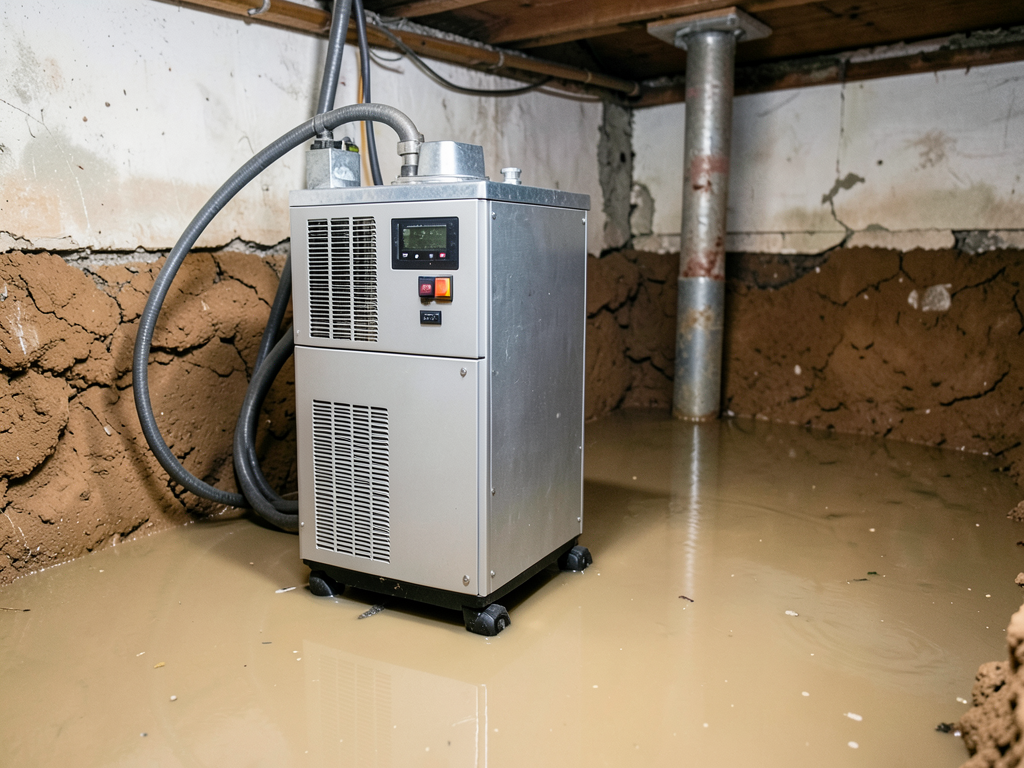
Place commercial-grade dehumidifiers in the affected area. For a typical Village District basement, you may need two or more units to bring humidity below 50%.
- Remove Saturated Materials
Take out wet carpet, padding, and any fabric that cannot be fully dried within 24 hours. These items trap moisture and become breeding grounds for mold.. Read more about Signs That Ground Water Is Seeping Through Your Foundation in Falls of Neuse.
Even after these steps, the smell may persist. That is because moisture can remain trapped inside walls and under floors. At this point, you need to decide between continuing with DIY methods or calling a professional.. Read more about Mold or Just Mildew? How to Tell the Difference After a Leak in Your University Park House.
DIY vs. Professional Odor Removal: When to Call for Help
Many homeowners try baking soda, vinegar, or store-bought deodorizers first. These can help with surface smells but do not address the root cause. Here is a quick comparison to help you decide.
| DIY Methods | Professional Restoration |
|---|---|
| Baking soda on carpets | HEPA air scrubbers with carbon filters |
| Vinegar spray on hard surfaces | Hydroxyl generators to neutralize mVOCs |
| Box fans for airflow | Industrial dehumidifiers and air movers |
| Manual water extraction | Moisture mapping with thermal imaging |
DIY is worth trying if:
- The affected area is small (under 100 square feet)
- You caught the water within the first 24 hours
- No visible mold is present
- You can fully remove and replace wet materials
Call a professional if:
- The smell persists after 48 hours of drying
- You see or suspect mold growth
- The water came from outside or a sewer line (Category 3 water)
- Your basement has hidden cavities, such as behind finished walls
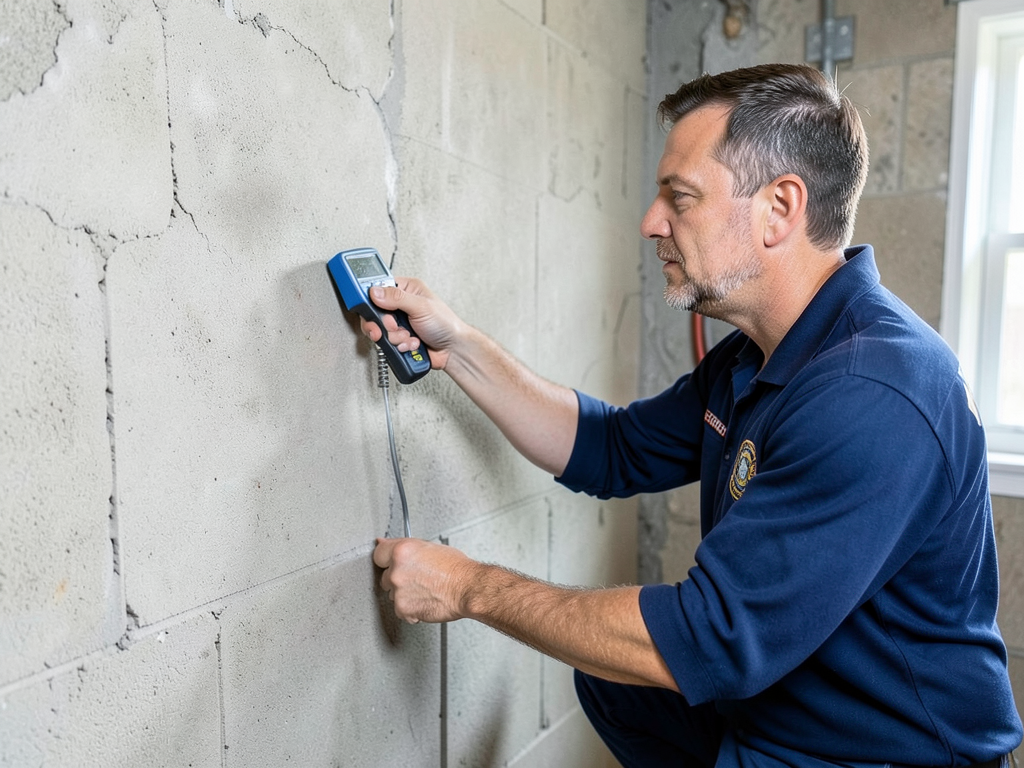
Professionals use equipment like HEPA air scrubbers, hydroxyl generators, and moisture meters to detect hidden dampness. They also apply antimicrobial treatments that kill the microbes causing the odor, not just mask it.. Read more about Hidden Signs Your Dishwasher Leak Is Causing Major Structural Damage in Your Clayton Kitchen.
Safety Hazards You Cannot Ignore
That musty smell can be a sign of more than just mold. In some cases, it indicates contamination from sewage, bacteria, or even structural damage. Here are red flags that mean you should not attempt cleanup yourself.
- Black or gray water present – Water from outside flooding or a backed-up sewer is considered Category 3 by the IICRC and contains harmful pathogens.
- Visible mold patches – Mold can release spores that cause respiratory issues, especially in children and the elderly.
- Soft or buckling walls – This may indicate water has compromised the structural integrity of your home.
- Electrical hazards – If water reached outlets or appliances, turn off power at the breaker before entering.
Never use ozone generators in occupied spaces. While they can remove odors, ozone is a lung irritant and must be used only by trained professionals in sealed, unoccupied areas.
The Professional Restoration Process in Raleigh
When you call a certified water damage restoration company, here is what to expect.
- Inspection and Assessment
Technicians use moisture meters and thermal imaging to find hidden water. They also test for mold and check for structural damage.
- Water Extraction
High-powered pumps and vacuums remove standing water. Sub-surface extraction tools pull moisture from carpet and padding.
- Drying and Dehumidification
Industrial air movers and dehumidifiers are placed strategically to create a vortex of dry air that pulls moisture from materials.. Read more about The Difference Between Industrial Air Movers and Regular Fans for Drying Your Home.
- Odor Neutralization
Hydroxyl generators or ozone machines break down odor molecules at the chemical level. HEPA air scrubbers capture airborne spores and particles.
- Cleaning and Sanitizing
Antimicrobial treatments are applied to prevent future mold growth. All affected surfaces are cleaned and sanitized.
- Restoration
Damaged drywall, flooring, and other materials are repaired or replaced. The goal is to return your home to its pre-flood condition.
In the Village District, many homes have unique challenges. For example, the clay soil around older foundations can hold water against basement walls, slowing drying. Professionals account for these local factors when planning the restoration. Local Experts for Mold Remediation and Water Damage in Five Points.
Why Raleigh Humidity Makes Odor Removal Harder
Raleigh’s average relative humidity in summer often exceeds 70%. This means the air is already saturated with moisture, making it harder for wet materials to dry. In the Village District, where many homes are close together and surrounded by mature trees, airflow can be limited, further slowing evaporation.
Without professional-grade equipment, DIY drying can take weeks. During that time, mold can spread behind walls and under floors, creating a bigger problem. This is why many Raleigh homeowners choose to bring in experts after a flood, even if the water seems to be gone.
Preventing Future Musty Smells in Your Basement
Once you have removed the odor, take these steps to keep it from coming back.
- Install a sump pump – If your basement is prone to flooding, a sump pump with a battery backup can prevent future water buildup.
- Seal foundation cracks – Use hydraulic cement to fill gaps where water can enter.
- Improve drainage – Extend downspouts at least five feet from your foundation and grade soil away from the house.
- Use a dehumidifier year-round – Keep indoor humidity between 30 and 50% to discourage mold growth.
- Inspect plumbing regularly – Check for leaks under sinks, around water heaters, and in crawl spaces.
For Village District homes, consider a professional inspection of your drainage system. Older properties may have outdated or clogged French drains that need upgrading.
Frequently Asked Questions
How long does it take for a musty smell to go away after a flood?
It depends on the extent of the damage. With professional drying and odor treatment, most smells are gone within 3 to 5 days. DIY methods can take weeks or may not fully eliminate the odor.
Can I just paint over the smell?
No. Paint will not seal in the odor or stop mold growth. You must remove the source of moisture and treat the affected materials first.
Is the smell dangerous?
The smell itself is not harmful, but it signals the presence of mold or bacteria that can cause health issues. If you or your family experience increased allergies, coughing, or headaches, seek professional help.
How much does professional odor removal cost in Raleigh?
Prices vary based on the size of the affected area and the severity of the damage. Most homeowners in the Triangle area pay between $1,200 and $4,000 for complete odor removal and drying.
Can I stay in my home during the restoration process?
Often yes, but it depends on the extent of the work. If ozone or other strong treatments are needed, you may need to leave for a few hours. Your restoration company will let you know what to expect.
Call (984) 294-5900 today to schedule your inspection. The longer you wait, the more the odor and damage can spread. Our team is ready to respond 24/7 to help you get your home back to normal.
Still dealing with that musty smell? Call (984) 294-5900 before the next storm hits. We will find the hidden moisture and remove the odor for good.
You may also find this helpful. Keeping Rainwater Out of Your Cameron Park Basement with Better Gutter Drainage.