


Cary sits in the Piedmont region where clay soil creates drainage challenges that trap water around foundations. When heavy rains hit neighborhoods like Preston and Lochmere, water pools against basement walls and crawl spaces. The clay expands when wet, contracts when dry, and creates foundation cracks that funnel water inside. Swift Creek and other waterways flood during tropical systems, pushing water into low-lying areas near Carpenter Park and the Crossroads.
Older homes in downtown Cary and MacGregor Downs were built before modern waterproofing standards. Many lack proper grading, functional sump pumps, or vapor barriers in crawl spaces. The result is chronic moisture intrusion that rots floor joists and feeds mold behind drywall. Newer construction in Amberly and Highcroft faces different problems. Rapid development compacted soil and altered natural drainage patterns, sending runoff toward homes instead of away from them.
Triangle winters bring freeze-thaw cycles that burst pipes in attics and exterior walls. Spring storms dump inches of rain in hours, overwhelming gutters and saturating ground that cannot absorb more water. Water finds the path of least resistance, and in Cary, that path leads into basements, crawl spaces, and living areas. Every hour water sits, damage multiplies. Drywall wicks moisture up walls. Subfloors buckle. Mold spores activate within 24 hours.
We respond to Cary water emergencies faster than national franchise operations because our dispatch center serves the Triangle exclusively. When you call at 2 AM with a flooded basement, we send a crew from Raleigh, not Charlotte or Virginia. Response time determines how much of your property we can save. Drywall soaked for six hours can be dried and salvaged. Drywall soaked for 48 hours must be removed and replaced. We arrive fast because we understand the clock is your enemy.
Our technicians carry truck-mounted extraction equipment that pulls thousands of gallons per hour from flooded spaces. We deploy industrial air movers and commercial dehumidifiers that create negative air pressure, forcing moisture out of building materials instead of waiting for it to evaporate naturally. Every crew member holds IICRC certifications in water damage restoration and applied structural drying. They know how to read moisture meters, calculate drying time based on material type and saturation level, and adjust equipment placement as conditions change.
We document everything for insurance claims. Our estimators photograph damage, create detailed scope reports, and communicate directly with adjusters. Most policies cover sudden water intrusion from burst pipes, appliance failures, or storm damage. We know what carriers approve, what they deny, and how to present claims that get paid without fights. You should not negotiate with your insurance company while standing in water. That is our job.
Silverline operates with one goal during water emergencies: stop the damage, dry the structure, and prevent secondary problems like mold growth or structural rot. We do not upsell unnecessary services or inflate claims. We fix what is broken and document what we did. Cary homeowners trust us because we show up when promised, work until the job is done, and bill exactly what we quoted.

We answer phones at 3 AM on Christmas morning because water damage does not respect holidays or business hours. Our dispatch center sends the closest available crew to your Cary property, and you get an arrival time before hanging up. Fast response prevents catastrophic losses that turn manageable problems into total reconstructions.

We work directly with your insurance adjuster to document damage, provide detailed estimates, and justify every line item. Our reports include photos, moisture readings, and equipment logs that meet carrier requirements for claim approval. You get the coverage your policy promises without fighting for every dollar.
Every technician on our Cary jobs holds certification from the Institute of Inspection Cleaning and Restoration Certification. They complete continuing education in water extraction, structural drying, and microbial remediation. Certification means they follow science-based protocols that dry buildings correctly the first time, preventing callback repairs from incomplete drying.
We understand Cary construction methods, soil conditions, and climate patterns because we work here exclusively. Our crews know which neighborhoods flood during heavy rain, which builders used substandard waterproofing, and how Triangle humidity affects drying times. Local knowledge translates to faster, more effective restoration that accounts for regional conditions.
Water damage restoration involves three distinct phases, and each requires specialized equipment and expertise. Emergency water removal stops active flooding and prevents additional damage. Structural drying removes moisture trapped in building materials using controlled airflow and dehumidification. Restoration repairs damaged components and returns your property to pre-loss condition. Most companies handle one or two phases well. We handle all three because we invested in the equipment, training, and personnel needed to see jobs through from emergency call to final walkthrough.
Our service range covers every type of water intrusion Cary properties face. Burst supply lines flood homes with clean water that must be extracted before it saturates subfloors and drywall. Sewer backups contaminate living spaces with black water containing harmful bacteria and pathogens that require specialized cleaning protocols. Roof leaks allow rainwater into attics where it soaks insulation and drips into ceiling cavities. Appliance failures from washing machines, dishwashers, and water heaters dump gallons across floors before anyone notices. Each scenario demands different extraction methods, drying strategies, and restoration techniques. We handle them all because water damage rarely fits into neat categories, and your emergency should not wait while we figure out if we can help.
We arrive with truck-mounted pumps and portable extractors that remove standing water from basements, crawl spaces, and flooded living areas. Our crews pull furniture to dry ground, roll carpets for extraction, and remove soaked contents to prevent further damage. We place air movers and dehumidifiers within the first hour to begin drying structural components before mold spores activate. Emergency extraction happens fast because every minute water sits, damage compounds exponentially.
Removing standing water is step one. Drying the structure is where most companies fail. We use thermal imaging cameras to find hidden moisture in wall cavities and under flooring. Our technicians measure moisture content daily using penetrating and non-penetrating meters, adjusting equipment placement as readings drop. We calculate drying time based on material type, saturation level, and ambient conditions. Structural drying takes three to seven days depending on how long water sat before we arrived.
After drying, we repair what water destroyed. Our crews replace damaged drywall, install new flooring, repaint walls, and rebuild any structural components compromised by prolonged moisture exposure. We handle mold remediation if growth occurred before we arrived. We coordinate with licensed plumbers and electricians when repairs require trade expertise. One company manages your entire restoration from emergency call to final inspection, eliminating coordination headaches and contractor disputes.
Cary homeowners face recurring water damage issues tied directly to local building practices and environmental conditions. Many older properties lack adequate crawl space ventilation, creating humid environments where condensation forms on floor joists and supports mold growth year-round. Newer homes built during the 2000s construction boom often have improperly installed waterproofing membranes that fail within ten years, allowing groundwater to seep through basement walls during heavy rain. Clay soil throughout the region creates hydrostatic pressure against foundations when saturated, forcing water through any crack or penetration.
The problems compound because most homeowners do not recognize early warning signs. Musty odors, peeling paint near baseboards, and warped hardwood floors all indicate chronic moisture intrusion that will worsen over time. By the time standing water appears, the structure has been compromised for months. Understanding common issues helps you spot problems early and call for professional assessment before minor leaks become major disasters requiring extensive reconstruction.
Triangle winters bring brief but damaging cold snaps that freeze water in uninsulated pipes. When temperatures drop below 20 degrees, supply lines in attics and exterior walls burst, flooding homes with gallons per minute until the main shutoff valve closes. The damage happens fast, soaking ceilings, walls, and floors before anyone realizes a pipe failed.
Expansive clay soil swells when wet and shrinks when dry, creating continuous pressure on foundation walls that causes cracks over time. Water follows these cracks into basements and crawl spaces during rain events. Most homeowners discover foundation leaks only after finished basements flood or persistent musty odors develop from hidden moisture accumulation.
Water heaters, washing machines, and dishwashers eventually fail, dumping 40 to 80 gallons across floors before the leak is discovered. Braided supply lines deteriorate after ten years and burst without warning. These failures happen when homeowners are away, allowing water to run for hours and saturate subfloors, cabinets, and drywall throughout multiple rooms.
Many Cary properties have negative grading that slopes toward foundations instead of away. During heavy rain, water pools against basement walls and finds entry through window wells, foundation cracks, or below-grade doorways. The problem worsens over time as soil settles and gutters fail to direct roof runoff away from the structure.
Water emergencies create panic. You are standing in water, watching damage spread, and trying to figure out what to do first. Our process eliminates confusion and gets help on site fast. When you call our emergency line, you talk to a dispatcher who asks specific questions about the source of water, how much is present, and what areas are affected. This information determines which equipment we load and how many technicians we send. You get an estimated arrival time before the call ends.
Our crews show up with everything needed to handle your specific situation. We do not arrive, assess the damage, and leave to get equipment. Trucks carry extraction pumps, air movers, dehumidifiers, moisture meters, and protective equipment for every scenario. The first hour focuses on stopping damage progression. We extract standing water, move contents to dry areas, and place drying equipment to begin moisture removal immediately. You see results within minutes, not days. Throughout the process, we communicate clearly about what we are doing, why it matters, and what comes next. No jargon, no confusion, no wondering if the people in your house know what they are doing.
Our crews arrive within the timeframe quoted during your initial call. The team leader walks through affected areas, identifies the water source, determines the category of water contamination, and measures moisture levels in structural components. You receive a verbal summary of what happened, what must be done, and how long the process will take. We start emergency extraction immediately while explaining each step to eliminate surprises or confusion about what is happening in your home.
We update you daily on drying progress with actual moisture readings from our meters. You see the numbers drop as equipment does its job. If we find hidden damage during demolition or detect moisture in unexpected areas, we explain what we found, why it matters, and what it adds to the scope before proceeding. You never receive surprise bills for work we did not discuss. Every decision gets your approval first.
We photograph every stage of the restoration, from initial damage through final completion. Our estimators provide detailed line-item reports that explain what was damaged, what we did to fix it, and why each step was necessary. You receive copies of all documentation for your records and claim file. If your adjuster questions anything, we handle those conversations directly so you do not become the middleman between your insurance company and your restoration contractor.
We follow a structured approach that addresses immediate damage, prevents secondary problems, and restores your property completely. Each step builds on the previous one to ensure nothing gets missed.
We remove standing water using truck-mounted pumps and portable extractors. Crews move furniture and contents to dry areas, pull wet carpets for extraction or disposal, and place initial drying equipment to begin moisture removal. This phase happens fast because every hour water sits multiplies damage and increases restoration costs. We extract until no standing water remains and surface moisture is pulled from carpets, upholstery, and flooring materials.
After extraction, we deploy air movers and commercial dehumidifiers positioned according to psychrometric principles that maximize evaporation and moisture removal. Technicians measure moisture levels daily in walls, floors, and ceilings using penetrating and non-penetrating meters. We adjust equipment placement as readings change and continue drying until all materials reach normal moisture content for the Triangle climate. Drying takes three to seven days depending on initial saturation levels.
Once drying is complete, our reconstruction crews repair or replace damaged materials. We install new drywall, replace flooring, repaint walls, and rebuild any components destroyed by water exposure. If mold growth occurred before we arrived, we handle remediation according to IICRC S520 standards. We coordinate licensed trades for plumbing and electrical work when needed. The final walkthrough ensures everything is restored to pre-loss condition before we consider the job complete.
Water damage restoration follows scientific protocols established by the Institute of Inspection Cleaning and Restoration Certification. These standards define how we classify water contamination, calculate drying time, and determine which materials can be saved versus what must be removed. The IICRC S500 Standard and Reference Guide governs water damage restoration throughout the industry and establishes best practices based on decades of research into building science and moisture migration.
Water is classified into three categories based on contamination level. Category 1 is clean water from supply lines, appliances, or rainwater that has not contacted contaminated surfaces. Category 2 is gray water containing chemical or biological contamination that can cause discomfort or sickness if ingested. Category 3 is black water containing pathogenic agents from sewage backups, flooding from rivers or streams, or any water that sat stagnant for more than 48 hours. The category determines which safety protocols we follow, what can be cleaned versus discarded, and how we protect technicians during remediation.
Drying time depends on four factors: temperature, relative humidity, airflow, and material density. We manipulate these variables using commercial equipment to create optimal drying conditions. Air movers increase evaporation rate by moving air across wet surfaces. Dehumidifiers remove moisture from the air, lowering relative humidity so materials can release additional moisture. We monitor progress using moisture meters that measure water content in wood, drywall, and concrete. Drying is complete when readings match unaffected areas of the same material type, not when surfaces feel dry to the touch.
Cary's humid climate complicates drying because ambient relative humidity often exceeds 70 percent during summer months. Our dehumidifiers must work harder to lower indoor humidity enough to allow building materials to dry. We adjust equipment placement and airflow patterns based on daily readings, increasing equipment if progress stalls. The science determines our approach, not guesswork or timelines invented to satisfy insurance adjusters looking to close claims quickly.
The IICRC establishes consensus standards for water damage restoration that govern how certified technicians classify water, calculate drying time, and restore properties. Our crews follow S500 protocols because these methods are proven to dry buildings correctly and prevent secondary damage from incomplete moisture removal. Certification is not optional in professional restoration work. It separates trained technicians from handymen with fans and hope.
Cost depends on water volume, how long it sat before extraction, and what materials absorbed moisture. A burst pipe caught within an hour costs less to remediate than the same pipe that ran overnight. Category 3 water requires disposal of porous materials that could be saved if contamination was Category 1. Drying time increases costs because equipment runs continuously and technicians monitor daily. Hidden damage discovered during demolition adds to initial estimates but cannot be avoided if structures are compromised.
Most water damage dries within three to seven days if extraction happens quickly and equipment is positioned correctly. Concrete and hardwood take longer to dry than drywall or carpet. Summer humidity extends drying time because ambient moisture slows evaporation. We cannot rush the process without risking incomplete drying that leads to mold growth and structural rot. The timeline is determined by physics and moisture readings, not customer impatience or insurance pressure.
Mold spores activate within 24 to 48 hours of water exposure if materials remain wet. Fast extraction and drying prevent growth. If we arrive after mold has started, we follow IICRC S520 remediation standards that require containment, HEPA filtration, and disposal of contaminated materials. Mold remediation is separate from water damage restoration because it requires different equipment and protocols. Prevention through rapid drying is always cheaper and less disruptive than remediation after growth occurs.
This video explains water damage restoration services in Cary, NC, including emergency extraction, structural drying protocols, and complete property restoration. Learn why Cary homes face water damage from clay soil, storm flooding, and construction vulnerabilities. Silverline Water Damage Restoration Raleigh demonstrates IICRC-certified techniques for removing water, drying buildings, preventing mold growth, and restoring properties to pre-loss condition. The video covers water damage categories, drying science, insurance coordination, and common problems in Cary neighborhoods from Preston to Amberly.
Silverline Water Damage Restoration Raleigh serves every neighborhood in Cary from downtown historic districts to new construction in Apex border communities. We respond to emergencies in Preston, where mature trees and aging infrastructure create storm-related flooding during heavy rain. Lochmere residents call us when Swift Creek overflows and pushes water into low-lying properties near the greenway. MacGregor Downs homeowners trust us to handle water damage in custom homes where high-end finishes require specialized drying techniques to prevent permanent damage.
We work throughout Amberly and Highcroft, newer developments where rapid construction sometimes means drainage systems were installed incorrectly or builders used substandard waterproofing materials. These neighborhoods see frequent basement seepage during spring storms when clay soil becomes saturated and pushes groundwater through foundation walls. Our crews understand how these homes were built and where water typically enters, allowing us to dry structures efficiently without unnecessary demolition.
Downtown Cary presents unique challenges because many homes date to the early 1900s and lack modern moisture barriers or proper foundation drainage. We handle restoration in these historic properties carefully, preserving original materials when possible while updating waterproofing to prevent future intrusions. The Carpenter Park area floods when heavy rain overwhelms storm drains, sending water into finished basements and ground-level living spaces. We extract quickly and dry thoroughly to prevent mold growth in older homes where ventilation is limited.
West Cary neighborhoods near Regency Park and Weston experience different problems. Homes built on slabs rather than crawl spaces show water damage differently than homes with basements. We adjust our approach based on construction type, focusing on subfloor drying and slab moisture management when treating these properties. Our service area extends throughout the greater Triangle, including Morrisville, Apex, and Holly Springs, because water damage does not respect city limits and neither do we when residents need emergency help.
Cary sits at the intersection of several major highways, making it easy for our Raleigh crews to reach any location quickly. We know which neighborhoods flood during tropical systems, which subdivisions have chronic drainage problems, and which builders used inferior materials during the construction boom. Local knowledge means faster response times, more accurate damage assessment, and restoration approaches tailored to how Cary properties are built and where they typically fail when water intrudes.
Most water damage restoration companies in Cary offer 24/7 emergency response and arrive within 60 to 90 minutes of your call. Quick response matters because water damage spreads fast and causes more destruction with each passing hour. When you contact a restoration team, they dispatch technicians immediately to assess the damage and begin water extraction. Local Cary companies maintain crews on standby to handle emergencies at any time, including nights, weekends, and holidays. Fast response reduces secondary damage like mold growth and structural deterioration.
Water damage restoration expenses in Cary vary based on the extent of damage, affected square footage, water category, and necessary repairs. Small incidents affecting one room typically run lower than whole-house flooding. The water source matters too. Clean water from a supply line costs less to remediate than contaminated water from sewage backups. Your final bill includes water extraction, drying equipment, antimicrobial treatment, and repairs. Most restoration companies provide free inspections and detailed estimates before starting work. Request quotes from multiple providers to compare pricing and services offered.
Most homeowners insurance policies in Cary cover sudden and accidental water damage, like burst pipes or appliance malfunctions. Your policy typically pays for water extraction, drying, and repairs to restore your home to its pre-damage condition. Insurance usually excludes damage from gradual leaks, poor maintenance, or flooding from outside sources. Flood damage requires separate flood insurance. Review your policy details and contact your insurance agent to understand your coverage. Restoration companies often work directly with insurance adjusters and help you document damage for your claim.
Most water damage restoration companies in Cary offer 24/7 emergency response and arrive within 60 to 90 minutes of your call. Quick response matters because water damage spreads fast and causes more destruction with each passing hour. When you contact a restoration team, they dispatch technicians immediately to assess the damage and begin water extraction. Local Cary companies maintain crews on standby to handle emergencies at any time, including nights, weekends, and holidays. Fast response reduces secondary damage like mold growth and structural deterioration.
Water damage restoration expenses in Cary vary based on the extent of damage, affected square footage, water category, and necessary repairs. Small incidents affecting one room typically run lower than whole-house flooding. The water source matters too. Clean water from a supply line costs less to remediate than contaminated water from sewage backups. Your final bill includes water extraction, drying equipment, antimicrobial treatment, and repairs. Most restoration companies provide free inspections and detailed estimates before starting work. Request quotes from multiple providers to compare pricing and services offered.
Most homeowners insurance policies in Cary cover sudden and accidental water damage, like burst pipes or appliance malfunctions. Your policy typically pays for water extraction, drying, and repairs to restore your home to its pre-damage condition. Insurance usually excludes damage from gradual leaks, poor maintenance, or flooding from outside sources. Flood damage requires separate flood insurance. Review your policy details and contact your insurance agent to understand your coverage. Restoration companies often work directly with insurance adjusters and help you document damage for your claim.
Water damage restoration timelines in Cary homes range from three days to several weeks, depending on damage severity and property size. Minor incidents affecting one room take three to five days for drying and basic repairs. Extensive flooding requiring structural repairs and mold remediation extends the timeline to two to four weeks. The water extraction phase takes hours to one day. Drying and dehumidification require two to five days. Restoration companies monitor moisture levels daily to ensure thorough drying before beginning repairs and reconstruction work.
Look for IICRC certification when choosing a Cary water damage restoration company. The Institute of Inspection, Cleaning and Restoration Certification sets industry standards and trains technicians in proper water damage restoration techniques. IICRC-certified technicians understand moisture detection, structural drying, and microbial remediation. Other valuable certifications include EPA Lead-Safe certification and state contractor licenses. Verify the company carries proper business credentials. Certified professionals follow proven protocols and use advanced equipment to restore your property correctly. Ask to see certification documents before hiring a restoration team.
Whether you stay in your Cary home during restoration depends on damage extent and safety factors. Minor water damage affecting one room often allows you to remain in unaffected areas while crews work. Extensive damage requiring whole-house drying equipment and major reconstruction typically requires temporary relocation. Safety concerns like contaminated water, structural instability, or power shutoffs necessitate moving out. Your restoration company assesses living conditions and advises you on safety. Some insurance policies cover temporary housing costs during major restoration projects. Prioritize your family's health and safety when making this decision.
Cary homes experience water damage from several common sources. Burst or leaking pipes cause frequent problems, especially during winter freezes. Appliance failures from washing machines, dishwashers, and water heaters lead to significant flooding. Roof leaks during heavy storms allow water intrusion into attics and living spaces. HVAC system condensation and drainage issues create moisture problems. Clogged gutters and poor drainage around foundations cause basement and crawl space flooding. Toilet overflows and sewer backups introduce contaminated water. Identifying vulnerable areas and maintaining your plumbing and roofing systems helps prevent water damage incidents.
Signs of hidden water damage in your Cary property include musty odors, discolored walls or ceilings, and peeling paint or wallpaper. You might notice warped flooring, soft spots in walls, or unexplained increases in water bills. Mold growth and allergic symptoms among household members indicate moisture problems. Check for water stains in attics, basements, and crawl spaces. Feel walls and floors for dampness or unusual cold spots. Professional moisture detection equipment identifies hidden water in walls and under floors. Schedule an inspection if you suspect hidden damage to prevent structural issues and mold growth.
Water damage mitigation involves immediate emergency actions to stop damage progression and prevent further loss. Mitigation includes water extraction, temporary protection measures, and initial drying to stabilize your property. Restoration encompasses the complete repair process to return your home to pre-damage condition. Restoration includes replacing damaged materials, rebuilding structures, painting, and finishing work. Think of mitigation as emergency response and restoration as complete repair. Cary restoration companies often handle both phases. Mitigation happens first within hours of damage, while restoration follows after thorough drying and typically takes longer to complete.
Most Cary water damage restoration companies work with major insurance providers and handle claims processing. Established restoration firms maintain relationships with insurance adjusters and understand claim requirements. They document damage with photos, prepare detailed estimates, and communicate directly with your insurance company. Some restoration companies are preferred vendors for specific insurers, which streamlines the claims process. Confirm the restoration company works with your specific insurance provider before starting work. They help you file your claim correctly and provide necessary documentation. Working with insurance-friendly restoration companies simplifies the claims process and reduces your stress.
Water damage restoration timelines in Cary homes range from three days to several weeks, depending on damage severity and property size. Minor incidents affecting one room take three to five days for drying and basic repairs. Extensive flooding requiring structural repairs and mold remediation extends the timeline to two to four weeks. The water extraction phase takes hours to one day. Drying and dehumidification require two to five days. Restoration companies monitor moisture levels daily to ensure thorough drying before beginning repairs and reconstruction work.
Look for IICRC certification when choosing a Cary water damage restoration company. The Institute of Inspection, Cleaning and Restoration Certification sets industry standards and trains technicians in proper water damage restoration techniques. IICRC-certified technicians understand moisture detection, structural drying, and microbial remediation. Other valuable certifications include EPA Lead-Safe certification and state contractor licenses. Verify the company carries proper business credentials. Certified professionals follow proven protocols and use advanced equipment to restore your property correctly. Ask to see certification documents before hiring a restoration team.
Whether you stay in your Cary home during restoration depends on damage extent and safety factors. Minor water damage affecting one room often allows you to remain in unaffected areas while crews work. Extensive damage requiring whole-house drying equipment and major reconstruction typically requires temporary relocation. Safety concerns like contaminated water, structural instability, or power shutoffs necessitate moving out. Your restoration company assesses living conditions and advises you on safety. Some insurance policies cover temporary housing costs during major restoration projects. Prioritize your family's health and safety when making this decision.
Cary homes experience water damage from several common sources. Burst or leaking pipes cause frequent problems, especially during winter freezes. Appliance failures from washing machines, dishwashers, and water heaters lead to significant flooding. Roof leaks during heavy storms allow water intrusion into attics and living spaces. HVAC system condensation and drainage issues create moisture problems. Clogged gutters and poor drainage around foundations cause basement and crawl space flooding. Toilet overflows and sewer backups introduce contaminated water. Identifying vulnerable areas and maintaining your plumbing and roofing systems helps prevent water damage incidents.
Signs of hidden water damage in your Cary property include musty odors, discolored walls or ceilings, and peeling paint or wallpaper. You might notice warped flooring, soft spots in walls, or unexplained increases in water bills. Mold growth and allergic symptoms among household members indicate moisture problems. Check for water stains in attics, basements, and crawl spaces. Feel walls and floors for dampness or unusual cold spots. Professional moisture detection equipment identifies hidden water in walls and under floors. Schedule an inspection if you suspect hidden damage to prevent structural issues and mold growth.
Water damage mitigation involves immediate emergency actions to stop damage progression and prevent further loss. Mitigation includes water extraction, temporary protection measures, and initial drying to stabilize your property. Restoration encompasses the complete repair process to return your home to pre-damage condition. Restoration includes replacing damaged materials, rebuilding structures, painting, and finishing work. Think of mitigation as emergency response and restoration as complete repair. Cary restoration companies often handle both phases. Mitigation happens first within hours of damage, while restoration follows after thorough drying and typically takes longer to complete.
Most Cary water damage restoration companies work with major insurance providers and handle claims processing. Established restoration firms maintain relationships with insurance adjusters and understand claim requirements. They document damage with photos, prepare detailed estimates, and communicate directly with your insurance company. Some restoration companies are preferred vendors for specific insurers, which streamlines the claims process. Confirm the restoration company works with your specific insurance provider before starting work. They help you file your claim correctly and provide necessary documentation. Working with insurance-friendly restoration companies simplifies the claims process and reduces your stress.
While based in Raleigh, Silverline proudly serves the surrounding areas, providing expert water damage restoration wherever you are. Our interactive map allows you to visualize our service radius and plan your visit, or simply understand our immediate response capabilities. We are dedicated to reaching you quickly, ensuring prompt and efficient service for your home or business, no matter your precise location within our service area, ready to assist.
Address:
Cary, NC, 27511
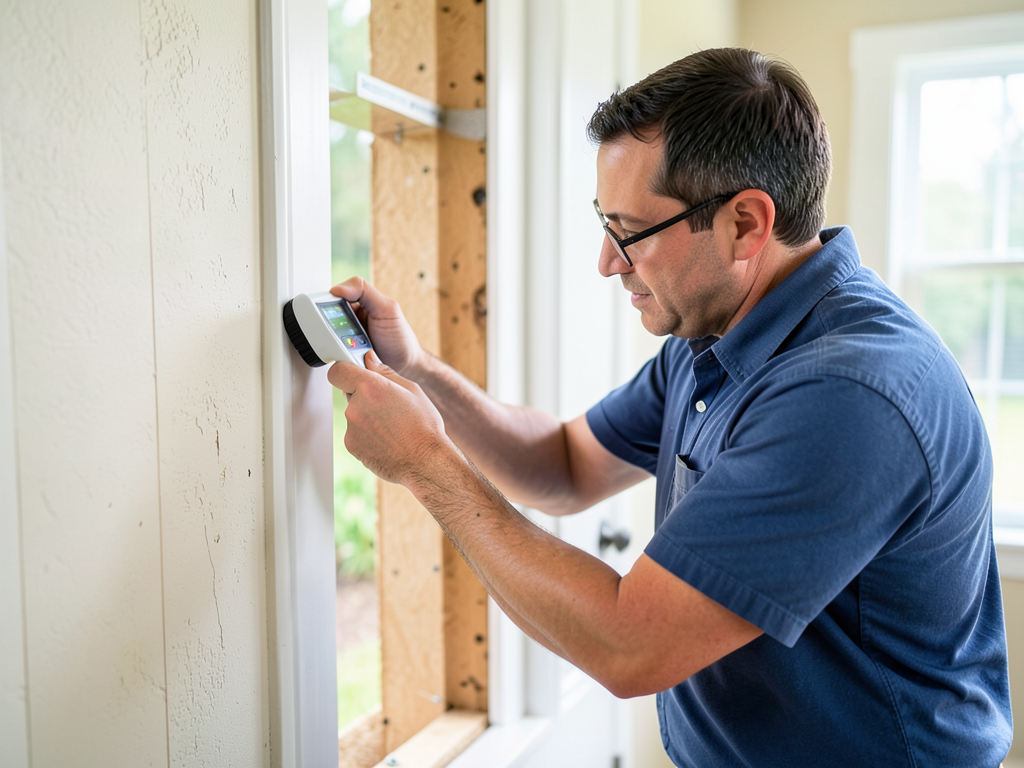
A Raleigh Homeowner Checklist for Preventing Leaks While Your House Is on the Market A small water stain on a ceiling can kill a home sale in Raleigh. Buyers today are trained to walk away…
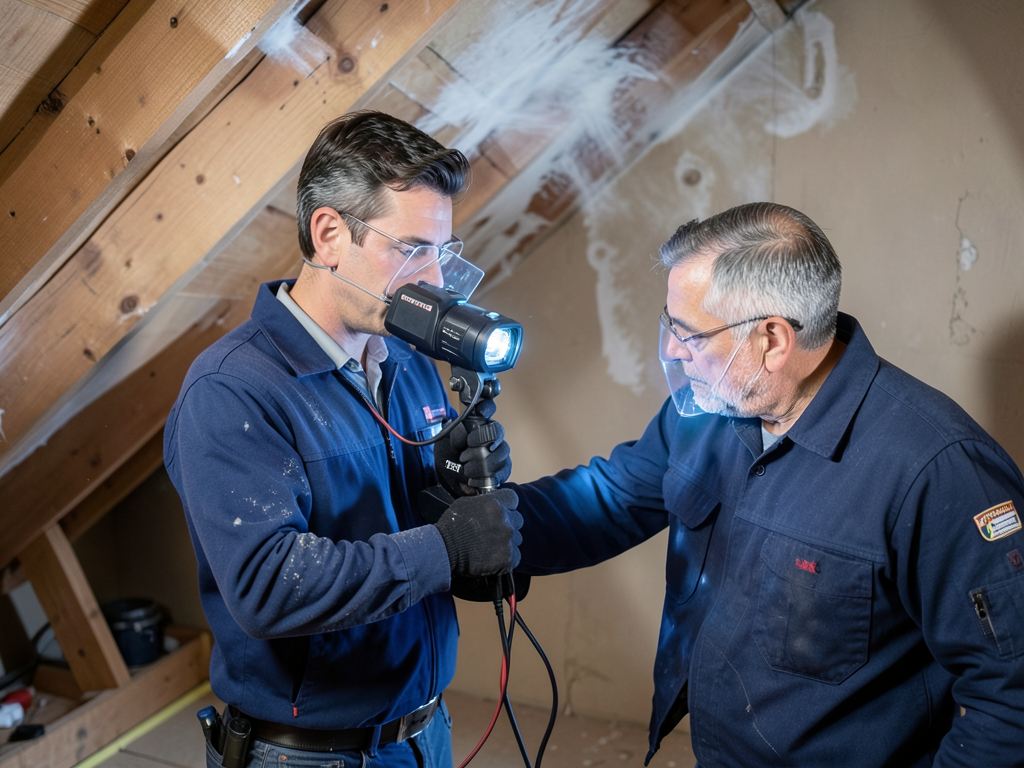
Why Your Umstead Attic Is Dripping Even When It Is Not Raining Water dripping from…
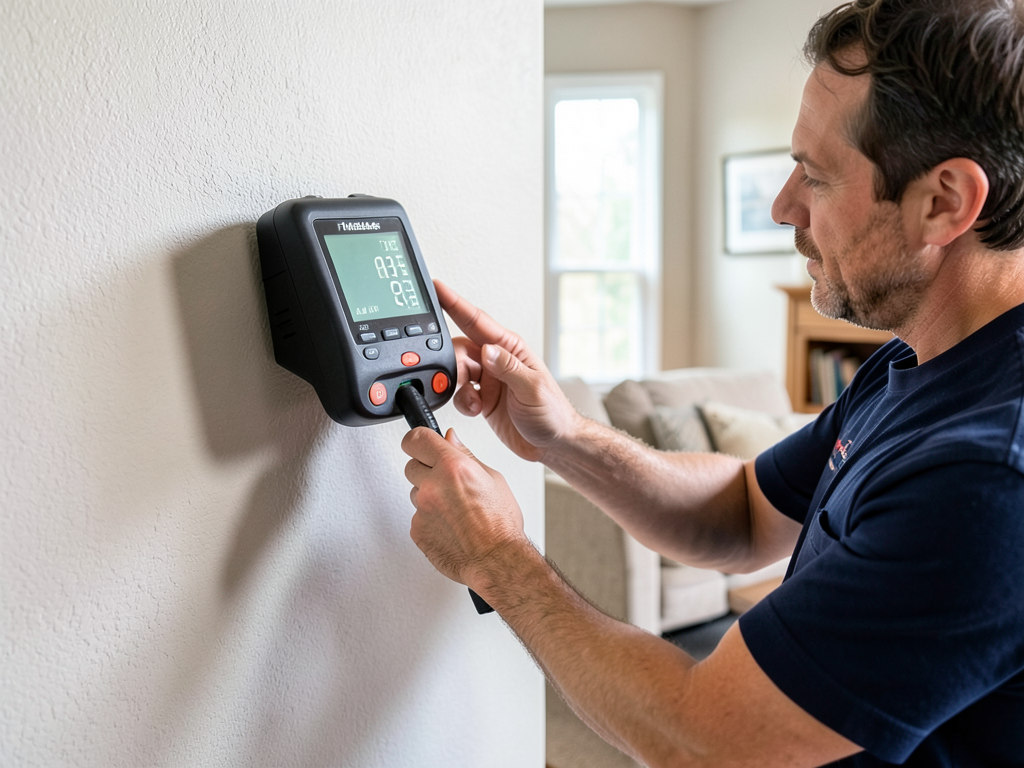
How to Use a Moisture Meter to Check for Hidden Water in Your Walls Finding…
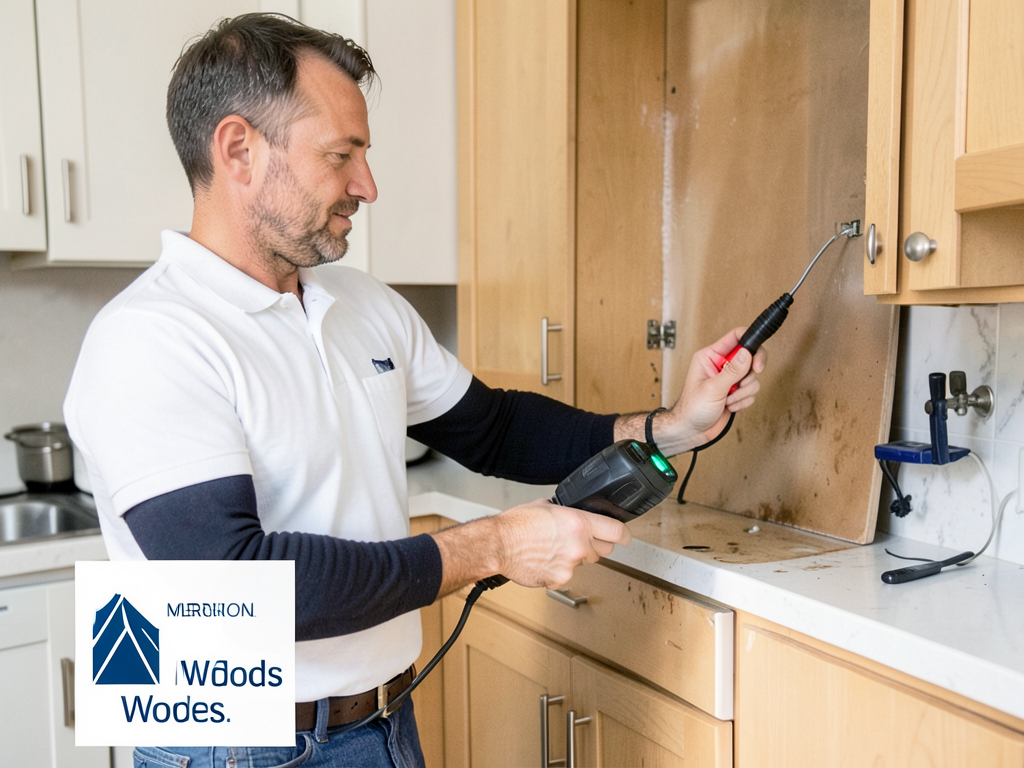
Why Your Fridge Ice Maker Is Leaking Behind the Wall in Your Meredith Woods Kitchen…
Every minute water sits in your Cary property, damage spreads and costs increase. Call Silverline Water Damage Restoration Raleigh now at (984) 294-5900. Our emergency teams are standing by 24/7 to extract water, dry your structure, and prevent permanent damage.