Menu

Water Damage Restoration in Raleigh – Expert Remediation for Residential and Commercial Properties

Comprehensive water damage repair, cleanup, and mitigation services across Raleigh, from emergency flood extraction to structural drying, mold prevention, and full restoration for homes and businesses.

Slider Image 1
Slider Image 2
Slider Image 3
Slider Image 4
Slider Image 5
Slider Image 7
Slider Image 8
Slider Image 9
Slider Image 10
Slider Image 11

Why Raleigh Properties Face Unique Water Damage Risks

Raleigh sits at the intersection of coastal humidity and Piedmont clay soil, creating a perfect storm for water intrusion. The clay soil common throughout Wake County expands when wet and contracts when dry, shifting foundations and cracking slab edges. Add in summer thunderstorms that dump two to three inches of rain in under an hour, and you have basements flooding in neighborhoods like Oakwood and Five Points faster than sump pumps can keep up.

Your home or business faces threats from multiple angles. Aging cast iron sewer lines corrode beneath older properties in Historic Oakwood. Crawl spaces trap moisture from groundwater seepage, especially after heavy rains when the water table rises. Air conditioning systems run nearly eight months a year, creating condensation on ductwork and drain pan overflows that saturate ceilings and insulation.

Commercial properties in downtown Raleigh face additional challenges. Flat roofs on mid-century buildings develop ponding water after storms. Underground parking garages in newer construction experience seepage through expansion joints. Retail spaces in strip malls along Capital Boulevard deal with roof leaks from damaged membrane flashings.

Water damage remediation in Raleigh requires understanding these specific conditions. A flooded basement in North Raleigh demands different water removal services than a burst supply line in a Cary office building. The clay soil means foundation moisture barriers fail differently than in sandy coastal areas. Water damage cleanup must address not just visible standing water but the moisture absorbed into framing, subfloors, and wall cavities before mold colonizes within 48 hours.

Whether you are dealing with a washing machine overflow, storm flooding, or a hidden plumbing leak, professional water damage mitigation prevents secondary damage that costs three to five times more to fix than the original water intrusion.

Why Raleigh Properties Face Unique Water Damage Risks
How Professional Water Damage Restoration Actually Works

How Professional Water Damage Restoration Actually Works

Water damage repair is not about pushing water around with a shop vac. Professional remediation requires understanding water classification, structural drying principles, and psychrometrics.

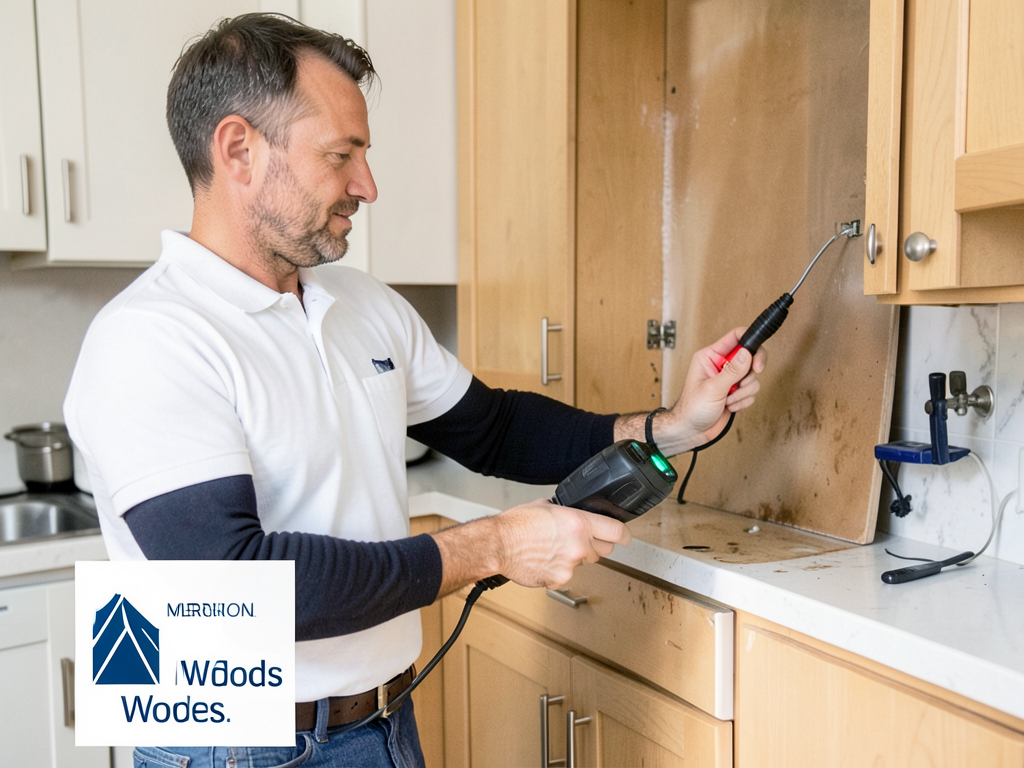
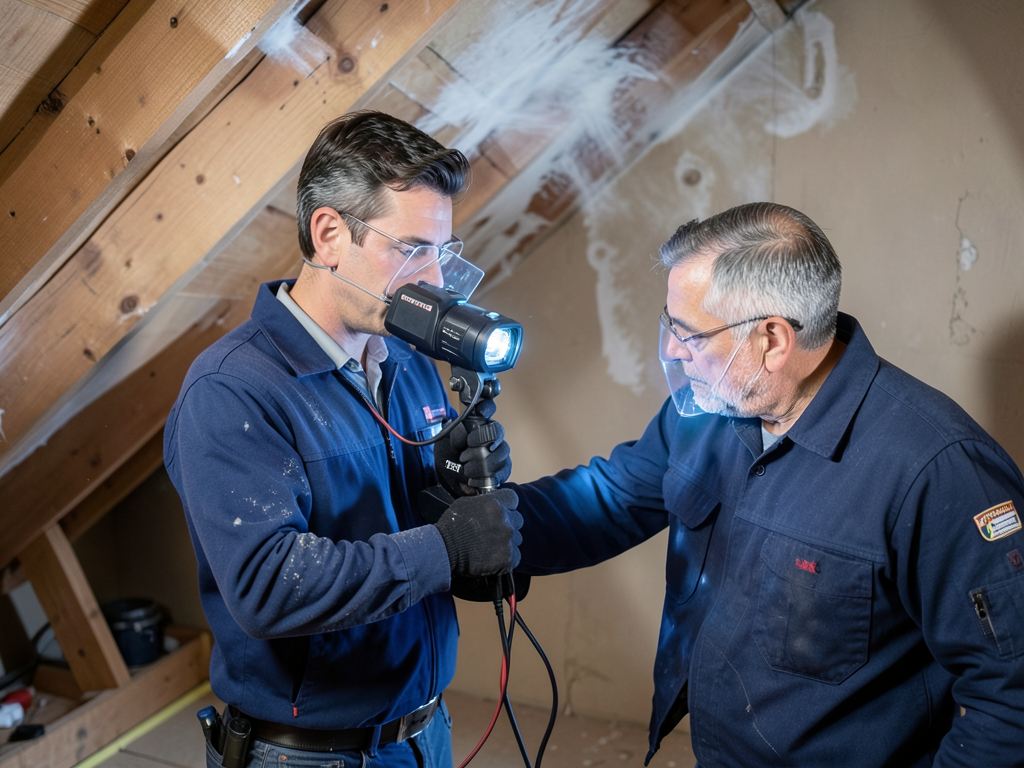
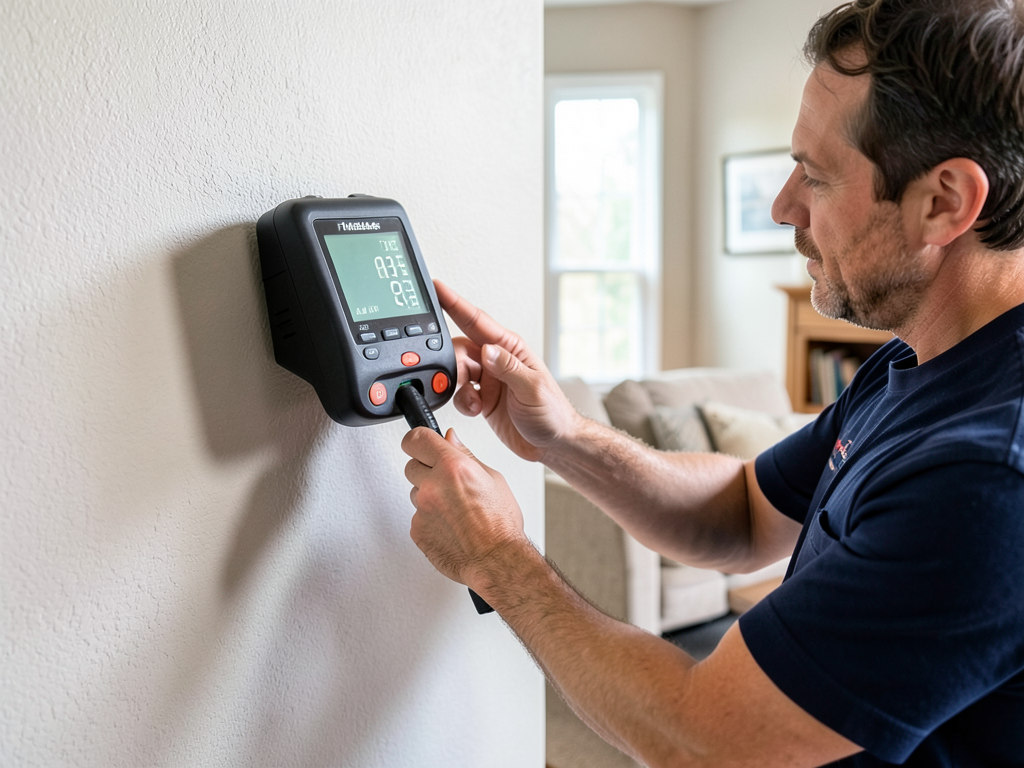
We start with moisture mapping using thermal imaging cameras and penetrating moisture meters. A visual inspection misses 60 to 70 percent of moisture migration. Water wicks up drywall through capillary action. It saturates insulation in wall cavities. It pools beneath vinyl flooring and engineered hardwood. We document moisture content in floor joists, wall studs, and subflooring to create a drying plan specific to your structure and the water category.

Category 1 water from supply lines requires different extraction methods than Category 2 grey water from dishwasher overflows or Category 3 black water from sewage backups. Black water contamination demands antimicrobial treatment and removal of porous materials like carpet padding, drywall, and insulation that cannot be sanitized.

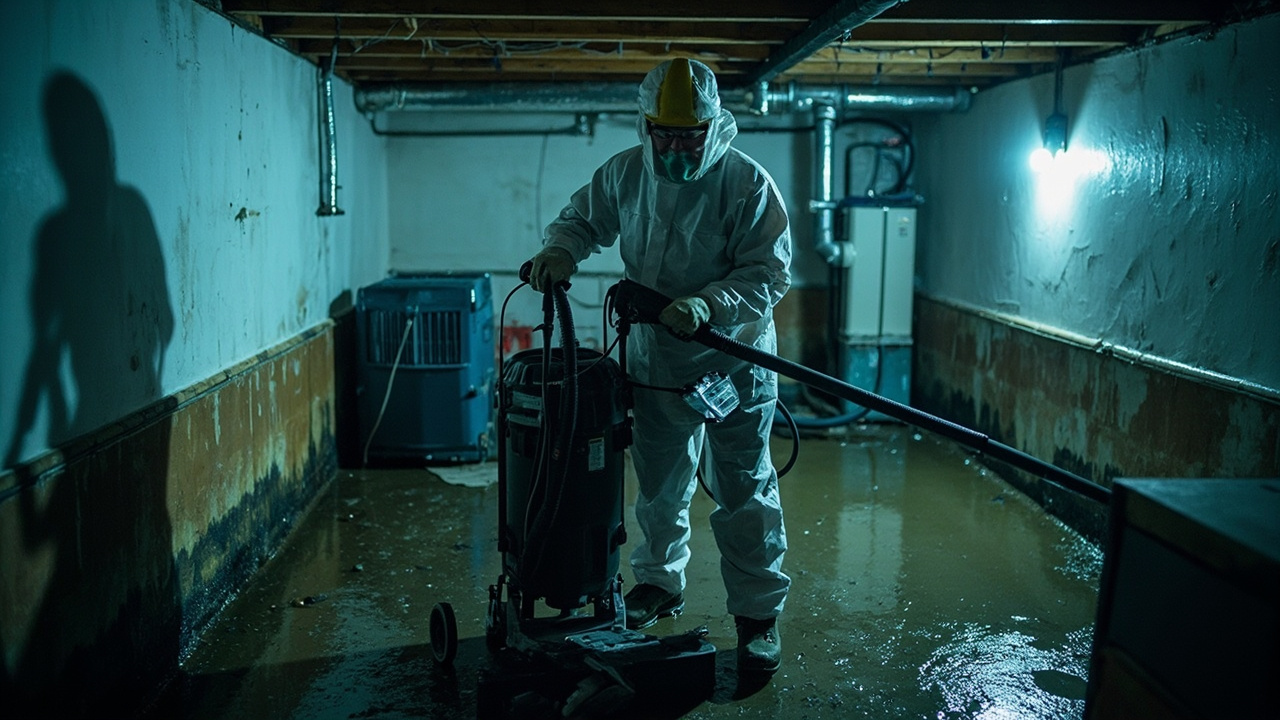
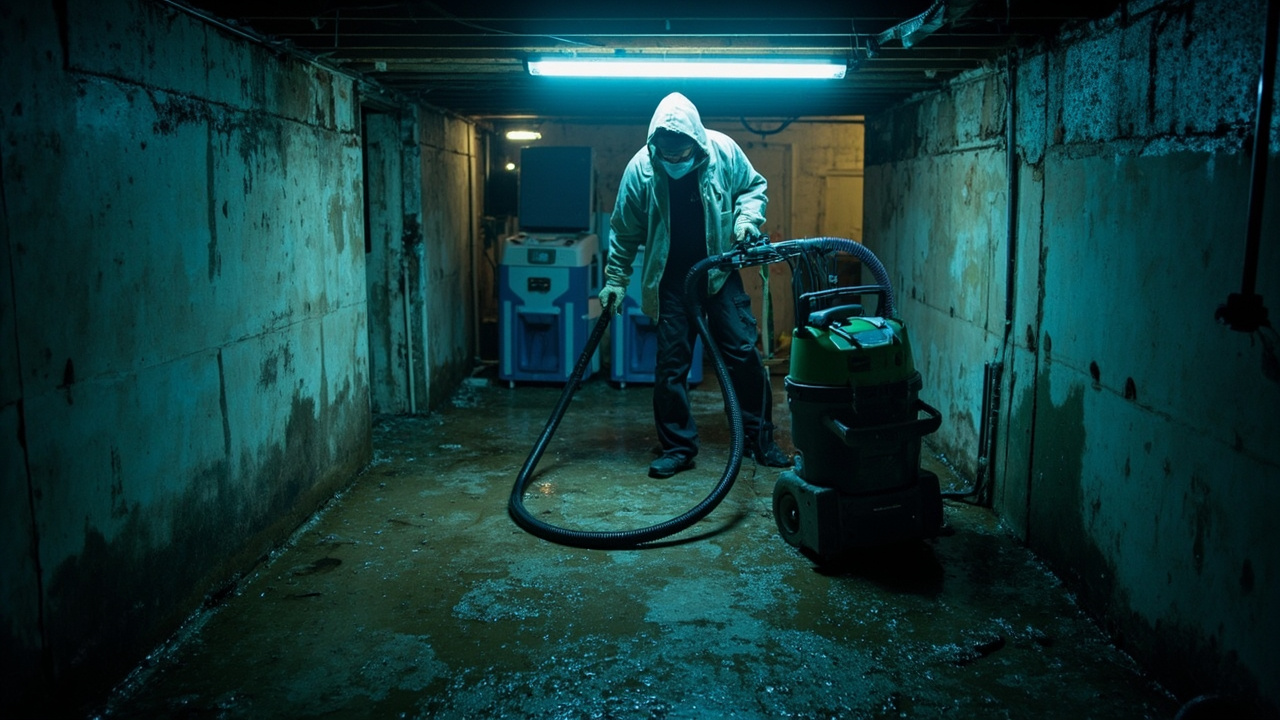
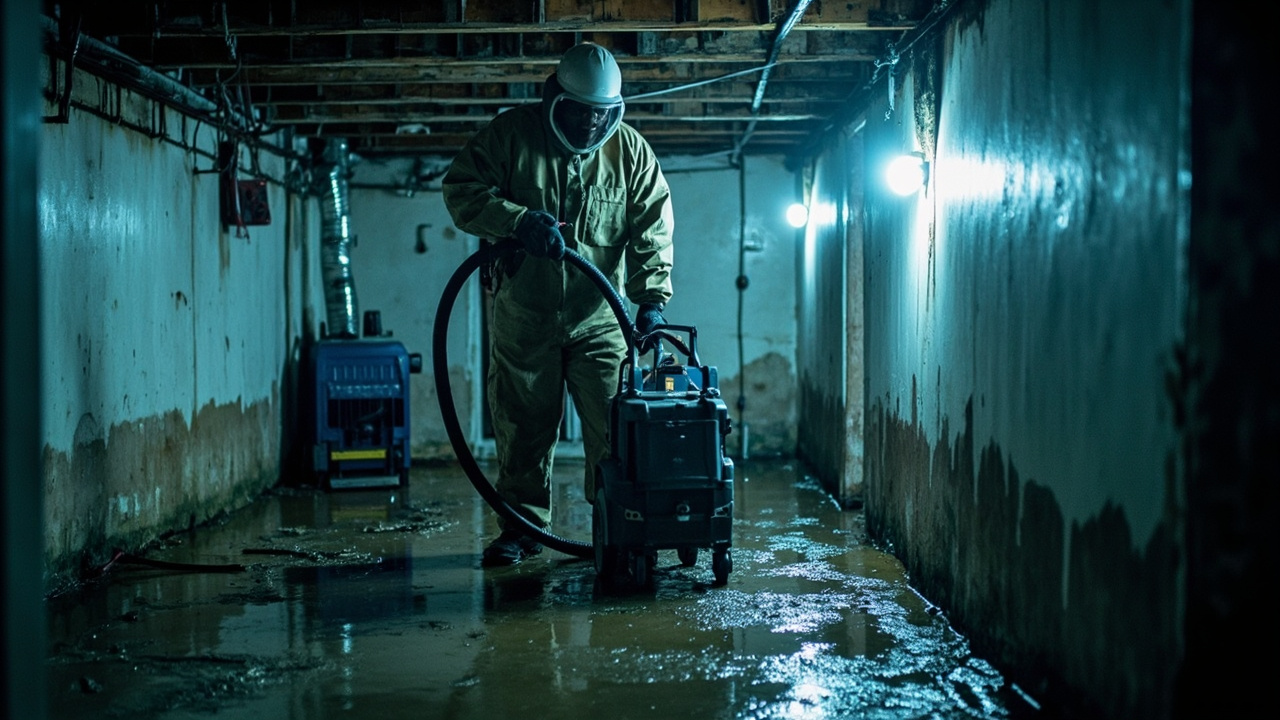
Our truck-mounted extraction units remove standing water at 150 gallons per minute. Portable extractors pull moisture from carpet and pad. Then we deploy commercial dehumidifiers rated for specific grain depression based on cubic footage, not generic home units from hardware stores. Air movers create circulation patterns that promote evaporation from structural materials without just blowing wet air around the room.

We monitor drying progress daily with moisture readings. Hardwood flooring requires slow, controlled drying to prevent cupping and crowning. Plaster walls need different airflow than drywall. Concrete slabs can take two weeks to dry completely, depending on thickness and saturation level.

Water damage mitigation also means addressing what caused the intrusion. We identify failed wax rings on toilets, corroded supply line connections, damaged roof valleys, and foundation cracks. Fixing visible damage without addressing the source guarantees you will be calling for water removal services again in six months.

What Happens When You Call for Water Damage Help

Water Damage Restoration in Raleigh – Expert Remediation for Residential and Commercial Properties
01

Emergency Contact and Dispatch

You call our emergency line and speak with a restoration specialist, not an answering service. We ask about the water source, affected area size, and any electrical hazards. Our dispatch sends a technician within 60 to 90 minutes for emergency calls in the Raleigh metro area. We contact your insurance carrier immediately if you want us to handle the claim directly, documenting everything before we touch your property.
02

Assessment and Extraction

The technician performs a room-by-room assessment with moisture detection equipment, photographing damage for insurance documentation. We classify the water category, identify contamination risks, and mark affected areas with moisture meters. Truck-mounted extractors remove standing water. We pull wet carpet padding, move furniture to dry areas, and set containment barriers to prevent moisture migration to unaffected rooms. You receive a detailed scope of work before extraction begins.
03

Drying and Restoration

Commercial dehumidifiers and air movers run continuously, with technicians checking moisture levels every 24 hours. Drywall and insulation damaged beyond drying capacity get removed and replaced. We treat affected areas with antimicrobial solutions to prevent mold growth. Once moisture readings reach normal levels, we begin reconstruction. You get daily progress updates and a certificate of completion showing all materials returned to pre-loss moisture content.

Why Raleigh Property Owners Choose Local Water Damage Experts

Water damage restoration in Raleigh requires knowledge that franchise operations flying in from Charlotte or Durham do not have. We know that homes in Boylan Heights have shallow crawl spaces prone to groundwater intrusion. Properties near Crabtree Creek flood when heavy rains overwhelm the stormwater system. Buildings constructed before 1985 in downtown Raleigh often have cast iron drain lines that corrode from the inside out, causing sewage backups with zero warning.

Our technicians understand North Carolina building codes for vapor barriers and moisture control. When we rebuild after water damage cleanup, we install 6-mil polyethylene sheeting in crawl spaces per NC code requirements. We know Wake County requires permits for structural repairs exceeding minor patch work. We coordinate inspections so your project does not stall waiting for county approval.

You also need a restoration company that works directly with insurance adjusters who handle claims in this market. We document moisture readings, photograph damage progression, and provide detailed estimates using Xactimate software that adjusters recognize. Most homeowners do not know that insurance policies cover water damage mitigation costs differently than reconstruction expenses. We separate emergency services from rebuild costs so you understand what the carrier pays versus what falls under your deductible.

Local expertise also means faster response. Our equipment staging facility sits off I-440, putting us within 20 minutes of most Raleigh neighborhoods. We do not drive two hours from a regional hub while water saturates your subfloors. When a commercial client calls about flooding at a North Hills office building, we arrive with truck-mounted extractors and enough dehumidifiers to handle 10,000 square feet, not residential equipment meant for a bathroom overflow.

Silverline Water Damage Restoration Raleigh has worked on properties from Historic Oakwood bungalows to Research Triangle Park office complexes. We have extracted water from below-grade parking decks, dried out multi-family apartment buildings after sprinkler malfunctions, and restored retail spaces flooded by roof leaks during hurricane remnants.

What You Can Expect During Water Damage Restoration

Response Time and Availability

We dispatch emergency water removal services 24 hours a day, seven days a week. Technicians arrive within 60 to 90 minutes for urgent calls in Raleigh, Cary, Apex, and Wake Forest. You speak directly with a restoration specialist when you call, not a call center reading a script. We coordinate with your insurance carrier before starting work, so you know what the policy covers. Non-emergency water damage repair typically gets scheduled within 24 hours. Commercial clients with after-hours emergencies get the same response time as residential properties.

Initial Assessment and Scope

The first site visit includes moisture mapping with thermal imaging and penetrating moisture meters, water classification based on contamination level, and documentation for insurance claims. We test moisture content in framing, subfloors, drywall, and insulation. You receive a written scope detailing extraction requirements, drying equipment needed, estimated timeline, and materials requiring removal. We explain the difference between emergency mitigation costs and reconstruction expenses. The assessment takes 45 to 90 minutes depending on property size and damage extent. You approve the scope before we deploy drying equipment.

Drying and Reconstruction Quality

We use commercial-grade dehumidifiers and air movers designed for structural drying, not consumer equipment. Moisture readings get recorded daily until all materials reach normal levels, typically seven to ten days for Category 1 water in standard construction. Materials that cannot dry or are contaminated get removed and replaced per industry standards. Reconstruction matches existing materials and finishes. We prime and paint replaced drywall, install matching flooring, and restore trim work. You receive a certificate showing final moisture readings and confirming all affected areas returned to pre-loss condition.

Post-Restoration Support and Prevention

After water damage remediation completes, we provide recommendations to prevent future intrusion. This includes identifying plumbing vulnerabilities, drainage issues, or building envelope failures that contributed to the loss. We do not offer specific warranties on drying services because proper drying is verified through moisture readings, not timeframes. You receive documentation of all work performed, moisture logs, and photos for your records and insurance file. We remain available if questions arise about the restored areas or if you need referrals for plumbing repairs, roof work, or foundation waterproofing.

Frequently Asked Questions

You Have Questions,
We Have Answers

How much does restoration cost for water damage? +

Restoration costs depend on the damage extent, water category, and affected square footage. Minor leaks affecting one room may cost less than structural flooding requiring mold remediation. Raleigh's older homes in Historic Districts often need specialized techniques that affect pricing. Water category matters. Clean water from a broken pipe costs less to mitigate than category 3 black water. Insurance coverage typically reduces your out-of-pocket expense. Restoration companies assess damage, provide estimates, and work directly with your carrier. Get a professional inspection within 24 hours to prevent secondary damage that increases costs.

What does water damage restoration include? +

Professional restoration includes water extraction, structural drying, moisture detection, antimicrobial treatment, and reconstruction. Technicians use thermal imaging cameras and moisture meters to identify hidden water in walls, ceilings, and subflooring. Industrial air movers and dehumidifiers run continuously to dry affected areas. In Raleigh's humid climate, proper drying prevents mold growth within 48 hours. Damaged materials get removed and replaced. Content restoration salvages belongings when possible. Teams document the process for insurance claims and test final moisture levels to confirm complete drying before reconstruction begins.

Can water damage be repaired? +

Yes, water damage can be repaired if addressed quickly. Speed determines salvageability. Hardwood floors, drywall, and insulation often require replacement after prolonged exposure, especially in Raleigh's high humidity. Structural elements like studs and joists can be dried and saved if water extraction starts immediately. Professional equipment removes standing water, then dehumidifiers and air movers dry remaining moisture. Antimicrobial treatments kill bacteria and prevent mold. Restoration technicians assess what can be saved versus what needs replacement. Waiting increases damage exponentially, turning minor repairs into major reconstruction projects.

Is water damage restoration worth it? +

Water damage restoration is worth it to protect your home's structural integrity and your family's health. Unmitigated water leads to mold growth, wood rot, foundation issues, and electrical hazards. In Raleigh's climate, moisture breeds mold in 24 to 48 hours. Professional restoration costs less than ignoring the problem. Hidden moisture causes long-term damage that decreases property value and creates expensive repairs later. Insurance often covers restoration when you act fast. DIY methods miss moisture in walls and subflooring. Professional equipment and expertise ensure complete drying, preventing future problems that cost exponentially more.

Does insurance pay for water restoration? +

Most homeowner insurance policies cover sudden and accidental water damage, like burst pipes or appliance malfunctions. Gradual damage from neglected maintenance typically gets denied. Review your policy's water damage exclusions and coverage limits. Raleigh homeowners should verify flood coverage separately through NFIP, as standard policies exclude flood events. Document damage immediately with photos and videos. Notify your insurance carrier within 24 hours. Professional restoration companies work directly with adjusters, provide detailed documentation, and help navigate claims. Acting fast strengthens your claim by showing you mitigated damage to prevent further loss.

How to dry out a house after water damage? +

Start by stopping the water source if safe to do so. Extract standing water with a wet vacuum or pump. Remove soaked materials like rugs, furniture, and boxes. Open windows for ventilation if outdoor humidity is lower than indoor levels, which is uncommon in Raleigh summers. Run fans and dehumidifiers continuously. Professional equipment moves 10 times more air than box fans. Do not use heat to speed drying, as it promotes mold growth. Monitor moisture levels with a meter, not guesswork. Hidden moisture in walls and subflooring requires thermal imaging and professional extraction to prevent long-term damage.

How likely is mold after water damage? +

Mold growth becomes likely within 24 to 48 hours after water exposure, especially in Raleigh's humid climate where indoor humidity easily exceeds 60 percent. The risk depends on water category, temperature, ventilation, and how quickly you dry affected areas. Porous materials like drywall, insulation, and carpet absorb water fast and provide ideal mold conditions. Professional extraction and drying within the first 24 hours significantly reduces mold risk. Visible mold is just the surface problem. Hidden mold grows inside walls, under flooring, and in HVAC systems, requiring professional remediation to eliminate completely.

Will insurance pay out for water damage? +

Insurance pays for water damage when it meets policy criteria. Sudden and accidental events like burst pipes, appliance failures, and storm roof leaks typically get covered. Gradual damage from deferred maintenance, seepage, or flooding requires separate flood insurance. Raleigh homeowners must understand their policy's specific exclusions and water damage definitions. Insurers require prompt notification and mitigation to prevent further loss. Document everything with photos, save damaged items for inspection, and get professional estimates. Restoration companies familiar with insurance protocols help maximize claims by providing detailed reports, moisture readings, and industry-standard documentation adjusters require.

What does category 3 damage look like? +

Category 3 water damage involves grossly contaminated water containing harmful bacteria, viruses, and pathogens. Sources include sewage backups, toilet overflows with feces, flooding from rivers or storm surge, and standing water that sat long enough to become septic. You will see dark, foul-smelling water with visible debris. Materials contacted by category 3 water typically require removal and disposal, not just drying. Drywall, insulation, carpeting, and porous materials get contaminated and pose health risks. Raleigh's humid climate accelerates bacterial growth. Professional remediation requires protective equipment, antimicrobial treatments, and specialized disposal protocols.

What not to do after water damage? +

Do not delay calling professionals or notifying your insurance carrier. Do not use household fans alone, thinking they will dry hidden moisture in walls and subflooring. Do not ignore safety hazards like electrical risks or contaminated water. Do not remove all water-damaged materials before documenting damage with photos for your claim. In Raleigh's humidity, do not assume air drying works without dehumidification. Do not use heat to speed drying, as warm, moist conditions accelerate mold growth. Do not wait to see if damage gets worse. Every hour increases restoration costs and decreases salvageability.

How Raleigh's Clay Soil and Humidity Levels Intensify Water Damage Risks

The Piedmont clay soil beneath Raleigh expands when saturated and shrinks during dry periods, creating continuous stress on foundation slabs and basement walls. Homes in established neighborhoods like Mordecai and Cameron Park experience foundation settling that cracks slab edges and allows groundwater seepage during heavy rains. Summer humidity levels averaging 70 to 75 percent slow evaporation rates, meaning water damage mitigation requires controlled mechanical drying rather than relying on natural air circulation. Crawl spaces in older construction trap moisture from both ground seepage and humid air, creating ideal conditions for mold growth and wood rot in floor joists.

Professional water damage restoration in Wake County requires understanding local construction methods and environmental factors that generic restoration guides ignore. We know which neighborhoods have combined sewer systems that back up during storms, which commercial districts have aging infrastructure prone to failures, and how local building codes affect reconstruction requirements. Our technicians train specifically on moisture control in mixed humid climates and clay soil conditions. When you work with a local restoration company, you get expertise shaped by hundreds of projects across Raleigh properties, not a national playbook written for different geography and climate zones.
Water Damage Restoration Services in The Raleigh Area

While based in Raleigh, Silverline proudly serves the surrounding areas, providing expert water damage restoration wherever you are. Our interactive map allows you to visualize our service radius and plan your visit, or simply understand our immediate response capabilities. We are dedicated to reaching you quickly, ensuring prompt and efficient service for your home or business, no matter your precise location within our service area, ready to assist.

Address:
Silverline Water Damage Restoration Raleigh, 306 E Hargett St, Raleigh, NC, 27601

Additional Services We Offer

Our news updates

Latest Articles & News from The Blogs

Saving Your Custom Bathroom Vanity From Water Damage in a Stonehenge Remodel Water damage to your custom bathroom vanity can…

Saving Your Custom Bathroom Vanity From Water Damage in a Stonehenge Remodel

Saving Your Custom Bathroom Vanity From Water Damage in a Stonehenge Remodel Water damage to your custom bathroom vanity can…

Comparing Low-VOC and Green Restoration Methods for Your Caraleigh Nursery

Comparing Low-VOC and Green Restoration Methods for Your Caraleigh Nursery When water damage strikes your Caraleigh nursery, the last thing…

What Homeowners in King’s Grant Need to Know About Hydrostatic Pressure and Foundation Leaks

What Homeowners in King’s Grant Need to Know About Hydrostatic Pressure and Foundation Leaks Water seeping into your basement through…

Contact Us

Water damage spreads every hour you wait. Call (984) 294-5900 now for emergency water removal services across Raleigh and Wake County. Our technicians respond 24/7 with professional extraction and drying equipment to stop damage before it destroys your property.