Menu

Carpet Water Extraction in Raleigh – Fast Response Before Mold Takes Hold

Silverline Water Damage Restoration Raleigh specializes in carpet water extraction using truck-mounted equipment and thermal imaging to remove standing water and hidden moisture before secondary damage begins.

Slider Image 1
Slider Image 2
Slider Image 3
Slider Image 4
Slider Image 5
Slider Image 7
Slider Image 8
Slider Image 9
Slider Image 10
Slider Image 11

Why Wet Carpet in Raleigh Becomes a Health Risk in 24 Hours

Raleigh's subtropical humidity creates the perfect environment for microbial growth after carpet flooding. When water saturates carpet fibers and padding, the moisture doesn't just sit there. It wicks into subflooring, baseboards, and drywall. Within 24 hours, mold spores begin to colonize. Within 48 hours, you have visible growth and structural damage.

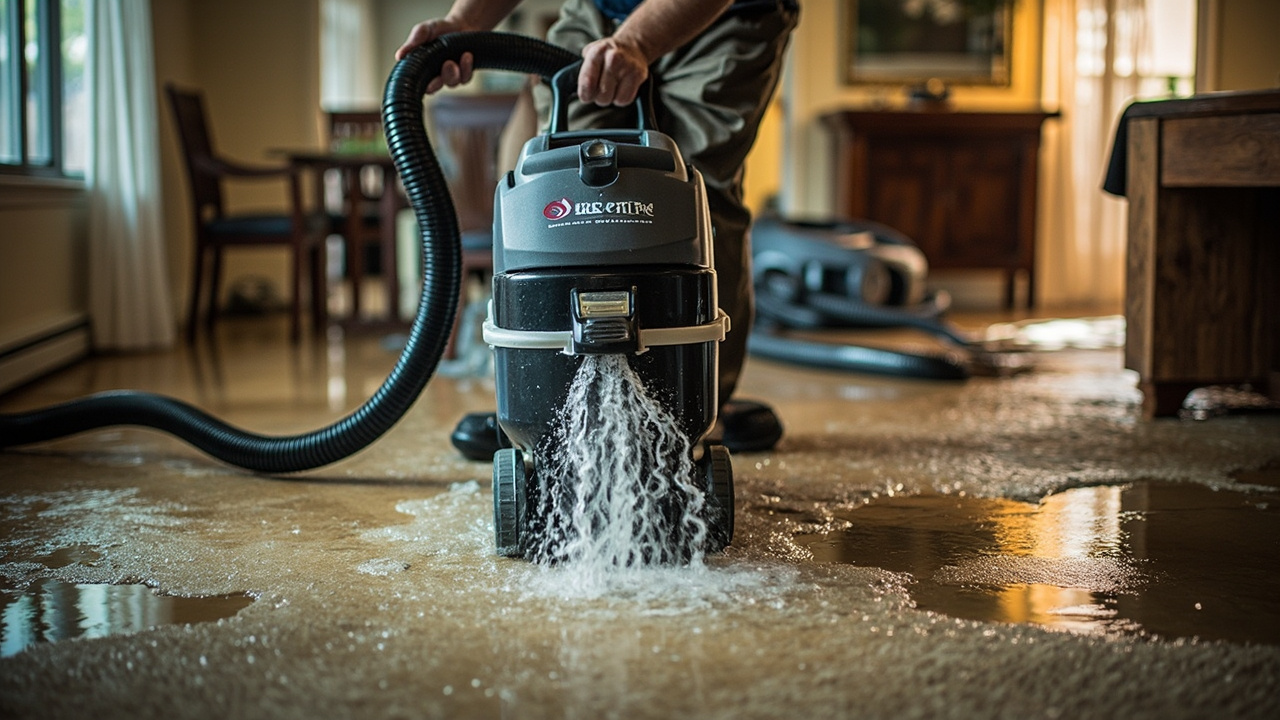
Most homeowners in North Raleigh and inside the Beltline make the mistake of using shop vacs or rental extractors. These tools remove surface water but leave 60 to 80 percent of moisture trapped in the pad and subfloor. That hidden moisture is what causes the real damage. You end up with buckled hardwood under the carpet, delaminated subflooring, and mold growth that requires full remediation instead of simple drying.

Flooded carpet extraction is not a DIY job in this climate. The high humidity means evaporation rates are slow. You need professional-grade equipment to create negative air pressure, pull moisture from deep fibers, and monitor drying progress with hygrometers. Emergency carpet water removal is about speed and thoroughness. Every hour you wait compounds the damage and increases restoration costs. Water damage carpet extraction is a race against biology, and in Raleigh's climate, biology wins fast.

Why Wet Carpet in Raleigh Becomes a Health Risk in 24 Hours
How Professional Carpet Water Removal Actually Works

How Professional Carpet Water Removal Actually Works

Wet carpet extraction starts with containment and category classification. We first determine if the water is clean (supply line), gray (appliance discharge), or black (sewage backup). This dictates whether carpet is salvageable or requires disposal. Category 3 water contamination means immediate removal and disposal per IICRC S500 standards.

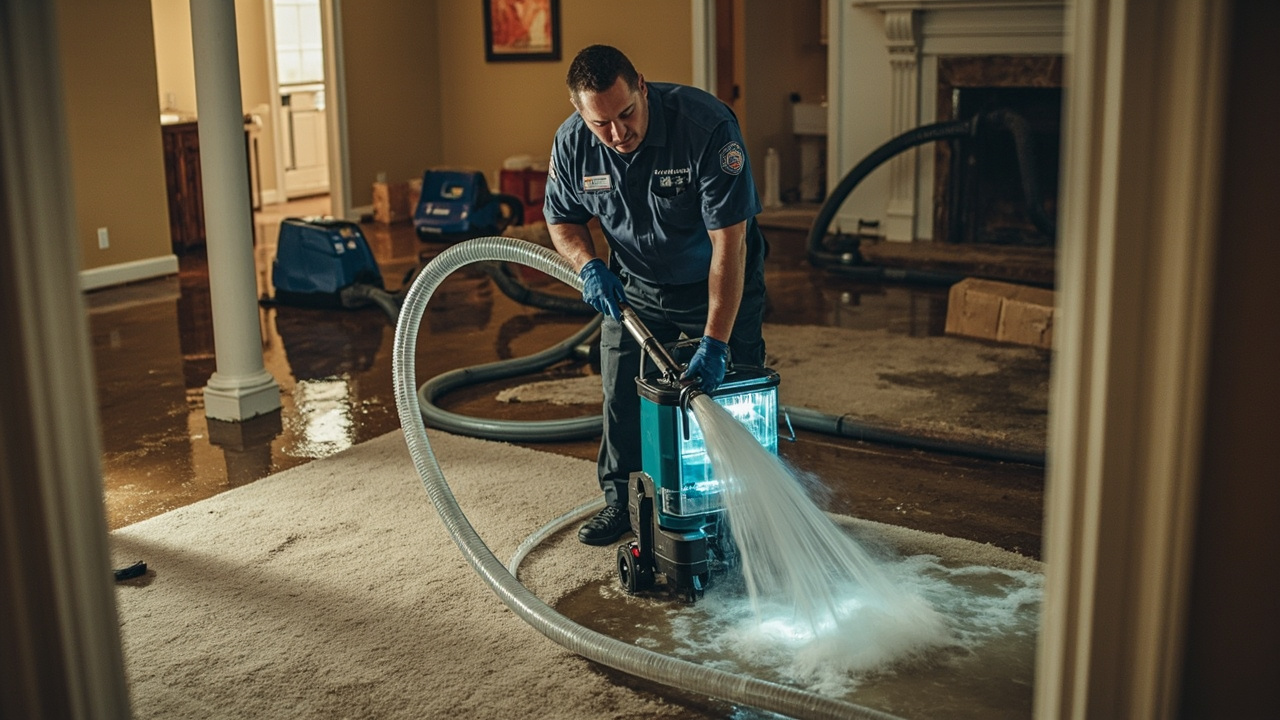
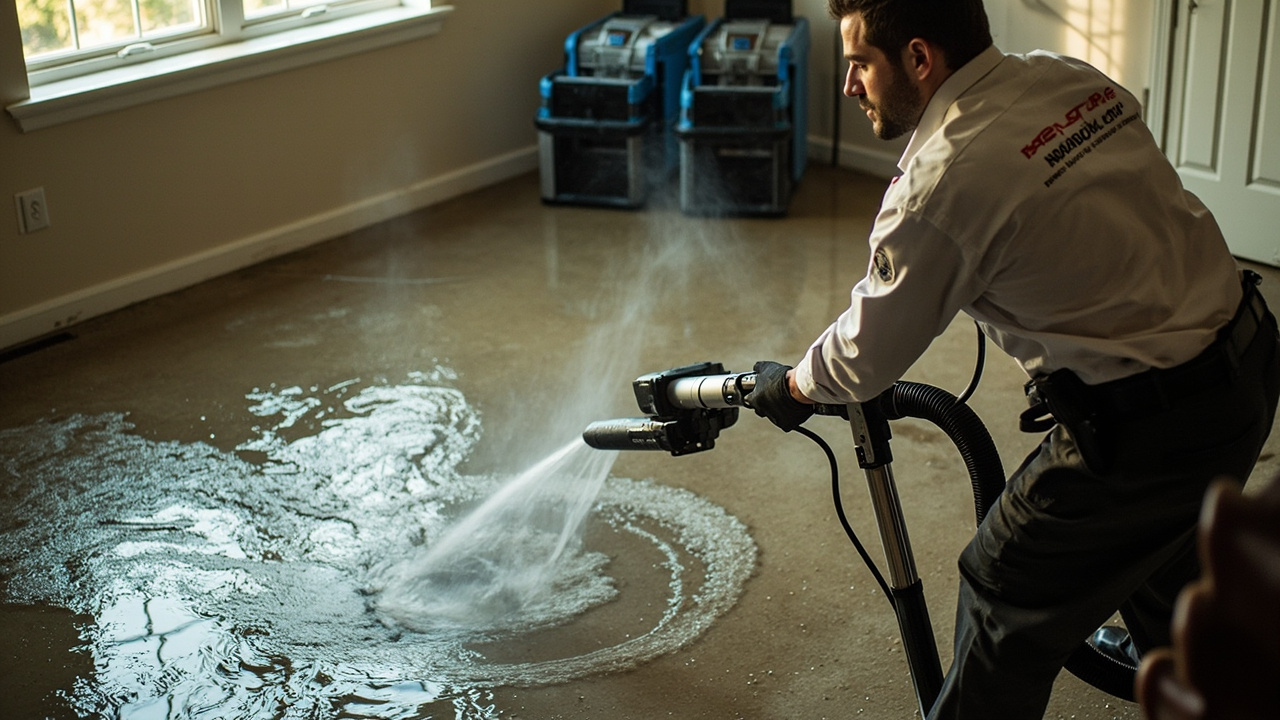
For salvageable carpet, we use truck-mounted extractors that generate 500+ PSI and pull moisture at rates rental units cannot match. The process is not just vacuuming. We inject heated water mixed with antimicrobial agents into the carpet fibers, then immediately extract it along with the contaminated floodwater. This flushing process removes dirt, bacteria, and dissolved contaminants that cause odor and health risks.

After extraction, we pull the carpet back from tack strips to inspect and dry the pad separately. In most cases, padding is non-salvageable because it acts like a sponge and holds contamination. We remove it, treat the subfloor with antimicrobial solution, and set up air movers and dehumidifiers to dry the slab or wood subfloor to 12 percent moisture content or lower.

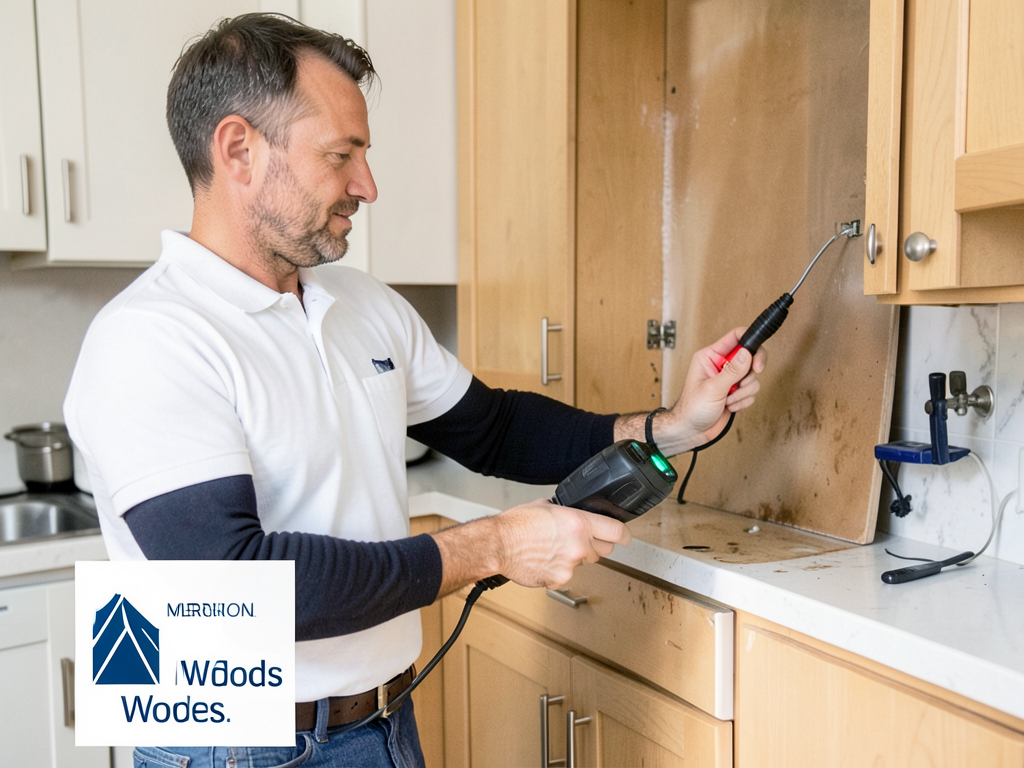
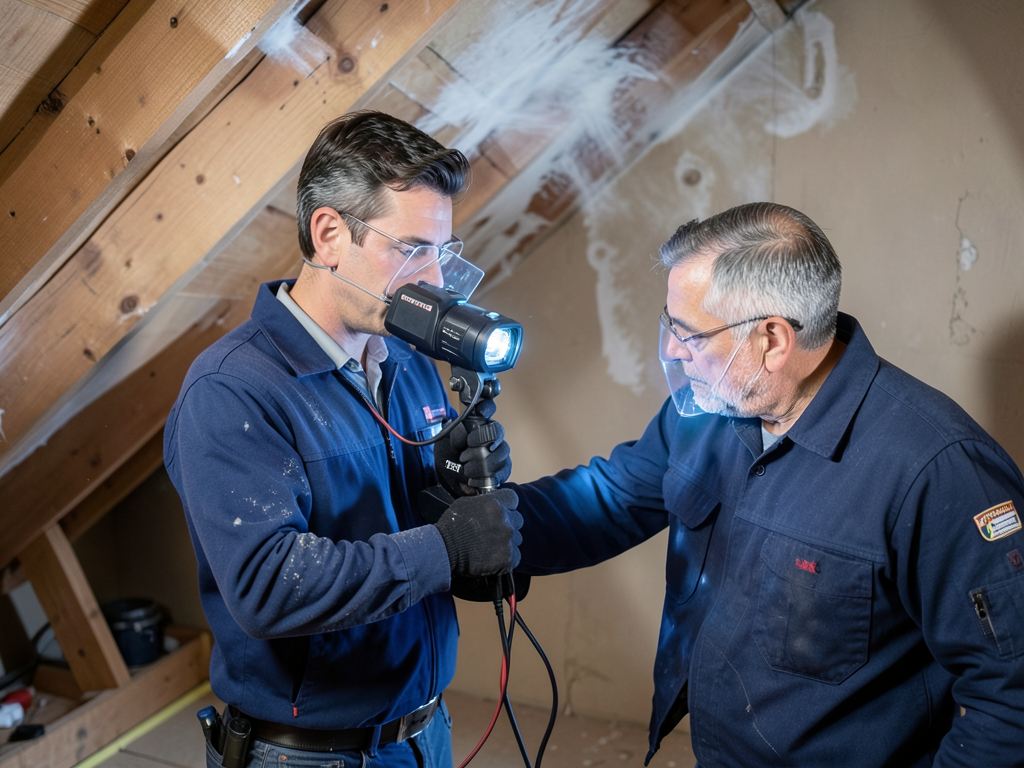
Thermal imaging cameras let us see moisture you cannot. We scan walls and subfloors to map wet areas and confirm drying progress. This is how we prevent hidden mold growth in wall cavities or under baseboards. Carpet water removal is not complete until moisture readings confirm everything is dry at the molecular level.

What Happens During Emergency Carpet Water Extraction

Carpet Water Extraction in Raleigh – Fast Response Before Mold Takes Hold
01

Water Extraction and Assessment

We arrive within two hours of your call and immediately begin removing standing water with truck-mounted extractors. While extraction is running, we use moisture meters and thermal cameras to assess the extent of saturation in walls, subfloors, and adjacent rooms. This determines the scope of drying and whether padding or carpet requires disposal based on contamination level.
02

Pad Removal and Antimicrobial Treatment

We pull carpet back from tack strips and remove saturated padding in most cases. The subfloor is then treated with EPA-registered antimicrobial solution to kill bacteria and inhibit mold growth. Air movers and commercial dehumidifiers are positioned to create airflow across the subfloor and under the carpet. We monitor humidity levels and adjust equipment placement to optimize drying speed in Raleigh's humid conditions.
03

Drying Confirmation and Reinstallation

Drying typically takes 48 to 72 hours depending on saturation depth and humidity. We take daily moisture readings and document progress. Once subfloor and carpet reach target dryness, we install new padding if needed and re-stretch carpet to factory tightness using a power stretcher. Final deodorization ensures no lingering musty odors. You get documentation showing moisture levels returned to normal for insurance and health safety.

Why Raleigh Homeowners Choose Silverline for Wet Carpet Extraction

We understand the construction methods common in Raleigh. Homes in Oakwood and Hayes Barton often have original hardwood under carpet. Subdivisions in Brier Creek and Wakefield typically have OSB subflooring that swells rapidly when wet. Knowing these details changes how we approach extraction and drying. We do not treat every job the same because every foundation type and flooring assembly behaves differently under water exposure.

Our technicians are trained in IICRC Water Damage Restoration standards and use the same protocols insurance adjusters expect. That means faster claims approval and less back-and-forth. We document everything with photos, moisture readings, and equipment logs. You get a clear paper trail that shows professional mitigation was performed correctly.

Local codes in Wake County require proper disposal of Category 3 contaminated materials. We handle that compliance for you. We also know which neighborhoods have slab foundations versus crawl spaces, and how that affects drying strategy. A slab foundation in North Hills dries differently than a crawl space home in Mordecai.

Speed matters in water damage. We arrive fast, extract thoroughly, and dry completely. We do not leave equipment running for a week and hope for the best. We monitor, adjust, and confirm drying with real data. That is the difference between a professional restoration company and a carpet cleaner with a rental extractor.

What to Expect During the Carpet Water Extraction Process

Response Time and Availability

We operate 24 hours a day because water damage does not wait for business hours. When you call, you reach a live person who dispatches a crew immediately. Our average response time in Raleigh is under two hours. We arrive with truck-mounted extraction equipment, air movers, dehumidifiers, and moisture detection tools. The goal is to stop damage progression as fast as possible. The longer water sits, the more padding absorbs, the more subfloor swells, and the higher your restoration costs climb. Speed is the single biggest factor in limiting damage and saving your carpet.

Initial Inspection and Moisture Mapping

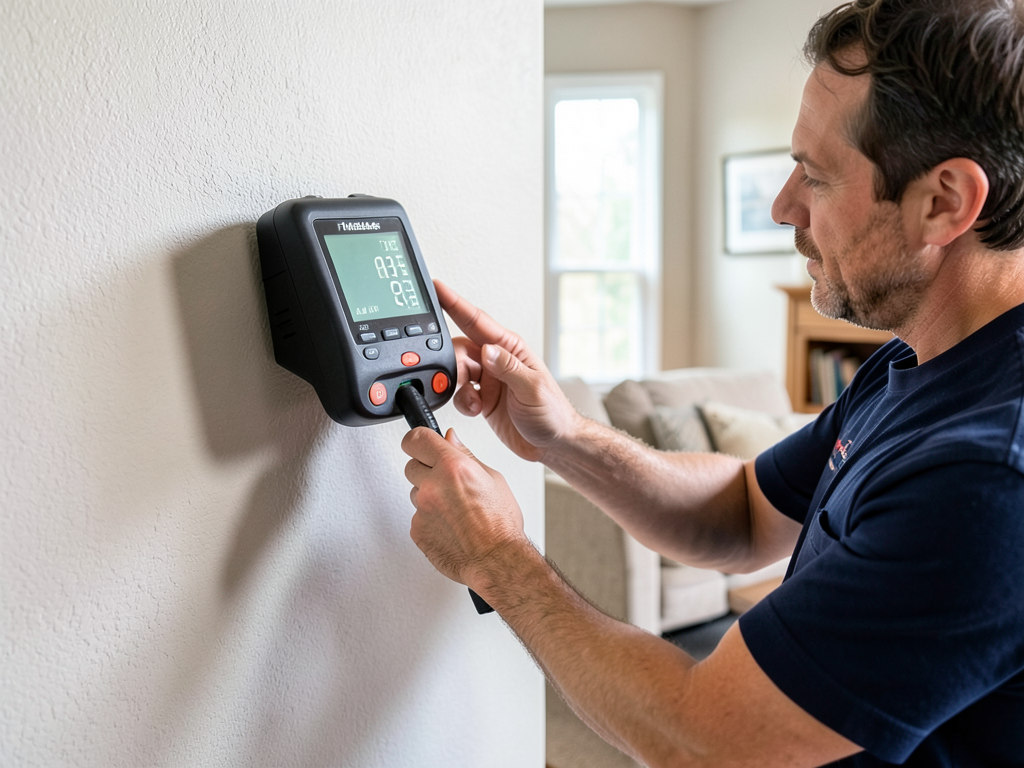
We do not guess where water went. Thermal imaging cameras show us temperature differentials that indicate moisture presence behind walls, under flooring, and in ceiling cavities. Moisture meters give precise readings in wood, drywall, and concrete. We map affected areas and classify the water source as Category 1, 2, or 3. This determines whether materials are salvageable or require removal. You get a clear explanation of what needs to happen and why. No upselling, no surprise charges. Just transparent assessment based on industry standards and real conditions in your home.

The Final Outcome and Reinstallation

When drying is complete, we do not just throw the carpet back down. We inspect for any remaining odor, check for delamination or fiber damage, and confirm the subfloor is structurally sound. If new padding is installed, it is cut to exact dimensions and seamed properly. Carpet is re-stretched with a power stretcher to eliminate wrinkles and ensure it lays flat. You should not be able to tell there was ever water damage. The carpet should look, feel, and smell normal. That is the standard we hold ourselves to on every job.

Documentation and Insurance Coordination

We provide detailed documentation that includes photos, moisture readings, equipment logs, and a scope of work summary. This documentation is formatted to meet insurance adjuster requirements and speeds up your claim process. We can bill your insurance directly in many cases, which removes the hassle of paying out of pocket and waiting for reimbursement. If questions arise during the claims process, we communicate directly with your adjuster to clarify the work performed and why it was necessary. You get an advocate who speaks the technical language insurance companies require.

Frequently Asked Questions

You Have Questions,
We Have Answers

How to extract water from carpet? +

Start by removing standing water with a wet vacuum or extraction machine. Blot remaining moisture with clean towels, applying pressure to pull water from carpet fibers and padding. Use fans and dehumidifiers to promote air circulation and dry the area quickly. Pull back carpet edges to check padding underneath. In Raleigh's humid climate, drying can take 24 to 72 hours. If water damage is extensive or involves contaminated water, call a professional restoration company immediately. Speed matters because moisture trapped in padding creates mold growth fast.

How much does it cost to get water out of carpet? +

Professional water extraction typically ranges from affordable to moderate depending on the affected area size, water type, and damage severity. Clean water from a supply line costs less than contaminated water from sewage or flooding. Extraction for a single room differs from whole-home flooding. In Raleigh, high humidity can extend drying time and increase costs. Most restoration companies offer free inspections and work directly with insurance carriers to handle claims. Get multiple quotes but prioritize certified technicians with truck-mounted extraction equipment over price alone.

What draws urine out of carpet? +

Enzymatic cleaners break down uric acid crystals that cause urine odor and stains. These biological solutions digest organic waste rather than just masking smell. Apply liberally to the affected area, saturate the carpet and padding, then allow dwell time for enzymes to work. White vinegar mixed with water can neutralize odor temporarily but does not eliminate uric acid. For pet accidents on carpet, professionals use specialized enzyme treatments with extraction equipment to remove contamination from deep fibers and subfloor. Repeat applications may be necessary for old stains.

How much is carpet extraction? +

Carpet extraction pricing depends on square footage, water contamination level, and whether padding or subfloor requires treatment. A small area might cost less than treating multiple rooms or an entire basement. Category 3 water from sewage or flooding increases price due to contamination protocols and disposal requirements. In Raleigh, restoration companies often bundle extraction with antimicrobial treatment and drying equipment rental. Insurance usually covers water damage from sudden failures like burst pipes. Request itemized estimates and verify the company holds IICRC certification for water restoration work.

How long can carpet be wet before mold? +

Mold can start growing in carpet within 24 to 48 hours of water exposure. Raleigh's warm, humid climate accelerates this timeline significantly. Moisture trapped in carpet padding creates ideal conditions for mold spores to colonize. The longer carpet stays wet, the higher the risk of permanent damage and health hazards. If your carpet has been wet for more than 48 hours, mold is likely already developing underneath. Professional extraction and drying within the first 24 hours is critical to prevent mold growth and salvage your flooring.

Does Stanley Steemer do water extraction? +

Stanley Steemer primarily focuses on carpet cleaning rather than emergency water damage restoration. While they may offer some moisture removal services in certain markets, their equipment and protocols are designed for cleaning, not flood restoration. True water extraction requires truck-mounted pumps, industrial dehumidifiers, moisture meters, and IICRC-certified water damage technicians. For water emergencies in Raleigh, contact a dedicated restoration company that specializes in water extraction, structural drying, and mold prevention. Speed and proper equipment make the difference between salvaging carpet and total replacement.

Will wet carpet smell go away? +

Wet carpet smell may fade if you dry the carpet completely within 24 hours, but odor often signals deeper problems. That musty smell comes from bacteria, mold spores, or mildew growing in padding and subfloor. Simply drying the surface will not eliminate odor if contamination exists underneath. In Raleigh's humidity, wet carpet rarely dries completely without professional equipment. If the smell persists after drying, the padding is likely compromised and requires replacement. Antimicrobial treatments and enzyme cleaners can help, but thorough extraction and drying are essential.

Can Stanley Steemer remove water from carpet? +

Stanley Steemer can remove surface water from carpet using their cleaning equipment, but their systems are not designed for emergency flood restoration. Effective water extraction requires truck-mounted pumps with high CFM airflow, thermal imaging to detect hidden moisture, and structural drying protocols. A carpet cleaning company lacks the tools and training to fully dry padding, subfloor, and wall cavities. For water damage in Raleigh, hire an IICRC-certified water restoration specialist who can document moisture levels, prevent mold growth, and coordinate insurance claims properly.

What to spray on wet carpet to prevent mold? +

Do not spray anything on wet carpet expecting to prevent mold. Surface treatments cannot stop mold when moisture remains trapped in padding and subfloor. The only effective mold prevention is rapid water extraction and complete drying within 24 hours. Use industrial fans, dehumidifiers, and airmovers to remove moisture quickly. In Raleigh's humid climate, DIY drying rarely works fast enough. After professional extraction and drying, technicians apply EPA-registered antimicrobial solutions to treated areas. Spraying wet carpet with household products wastes time when you should be extracting water immediately.

What do professional carpet cleaners use for urine? +

Professional carpet cleaners use enzymatic cleaners specifically formulated to break down uric acid crystals in pet urine. These enzyme solutions digest organic compounds that cause odor and staining. Technicians apply the enzyme treatment, allow dwell time, then extract with hot water and high-powered vacuums. UV lights help locate old urine spots invisible to the eye. For severe contamination, professionals may pull back carpet to treat padding and subfloor directly. In Raleigh, humidity can reactivate old urine odors, so thorough enzyme treatment and extraction are critical for permanent results.

How Raleigh's Humidity and Clay Soil Complicate Carpet Drying

Raleigh sits in the humid subtropical zone with average relative humidity above 70 percent for much of the year. That high ambient moisture slows evaporation and makes drying wet carpet significantly harder than in arid climates. Professional dehumidifiers are not optional here. They are required to pull moisture from the air and create the low-humidity environment needed for effective drying. The clay soil common throughout Wake County also causes foundation settling and plumbing stress, which increases the risk of slab leaks and supply line failures that flood carpets without warning.

We have worked in every neighborhood from downtown Raleigh to Cary and know how local construction styles affect water damage. Older homes near NC State often have crawl spaces with poor vapor barriers, which means ground moisture can migrate up and saturate carpet from below. Newer builds in Apex and Holly Springs use OSB subflooring that swells fast and requires aggressive drying to prevent permanent damage. Local knowledge matters because it changes how we set up equipment, where we focus drying efforts, and how we communicate realistic timelines to you.
Water Damage Restoration Services in The Raleigh Area

While based in Raleigh, Silverline proudly serves the surrounding areas, providing expert water damage restoration wherever you are. Our interactive map allows you to visualize our service radius and plan your visit, or simply understand our immediate response capabilities. We are dedicated to reaching you quickly, ensuring prompt and efficient service for your home or business, no matter your precise location within our service area, ready to assist.

Address:
Silverline Water Damage Restoration Raleigh, 306 E Hargett St, Raleigh, NC, 27601

Additional Services We Offer

Our news updates

Latest Articles & News from The Blogs

Managing a Multi-Floor Water Leak in a Bedford Townhome A multi-floor water leak in your Bedford townhome requires immediate action…

Managing a Multi-Floor Water Leak in a Bedford Townhome

Managing a Multi-Floor Water Leak in a Bedford Townhome A multi-floor water leak in your Bedford townhome requires immediate action…

Dealing with Copper Pipe Pinholes and Slow Leaks in Stonehenge Homes

Copper Pipe Leak Repair & Water Damage Restoration in Raleigh, NC Copper pipe pinhole leaks silently damage Stonehenge homes built…

Replacing Water Damaged Subfloors Under Your New LVP in North Raleigh

Replacing Water Damaged Subfloors Under Your New LVP in North Raleigh Water damage beneath luxury vinyl plank flooring in North…

Contact Us

Water damage gets worse every hour. Call Silverline Water Damage Restoration Raleigh at (984) 294-5900 right now for immediate carpet water extraction. We are available 24 hours a day and dispatch crews within two hours across the Raleigh metro area.