
Menu

Allergic Reactions in Home in Raleigh – Stop the Source Before Symptoms Return

If you sneeze, cough, or itch indoors but feel better outside, hidden moisture in your home is feeding mold. We identify and eliminate allergic reactions in home triggers caused by water damage before they cycle back.

Slider Image 1
Slider Image 2
Slider Image 3
Slider Image 4
Slider Image 5
Slider Image 7
Slider Image 8
Slider Image 9
Slider Image 10
Slider Image 11

Why You Feel Worse Inside Your Own Home

You wake up congested. Your eyes water when you walk into the basement. Your kids cough at night but test negative for the flu. You blame pollen or pets, but the real culprit is invisible. Water damage allergy triggers grow behind walls, under floors, and inside ductwork.

Raleigh's humid subtropical climate creates ideal conditions for household mold allergies. Summer humidity hovers near 70 percent. Winter condensation builds on cold surfaces. A slow pipe leak, roof drip, or crawl space puddle feeds mold colonies that release spores into your breathing space. You inhale them constantly. That is why antihistamines only mask the problem. The source keeps reproducing.

Indoor mold symptoms appear first in high-exposure areas like bedrooms and living rooms. Sneezing fits. Scratchy throat. Skin rashes. Headaches that fade when you leave the house. These are not random allergies. They are mildew allergic reactions to active contamination in your living environment.

Most homeowners treat the symptoms and ignore the cause. They buy air purifiers, replace filters, and scrub visible spots with bleach. The allergies return because the moisture source still exists. Mold exposure symptoms will persist until someone stops the water intrusion, removes contaminated materials, and treats affected cavities with antimicrobial solutions. Surface cleaning does not reach colonies embedded in drywall, insulation, or subflooring.

If your symptoms improve when you stay at a hotel or visit family, your home has a hidden moisture problem. The longer you wait, the deeper the contamination spreads.

Why You Feel Worse Inside Your Own Home
How We Trace and Eliminate Water Damage Allergy Triggers

How We Trace and Eliminate Water Damage Allergy Triggers

We do not spray deodorizers or wipe down walls. We find the water source, measure contamination levels, and remove affected materials down to the structural cavity. This is the only method that stops mold exposure symptoms permanently.

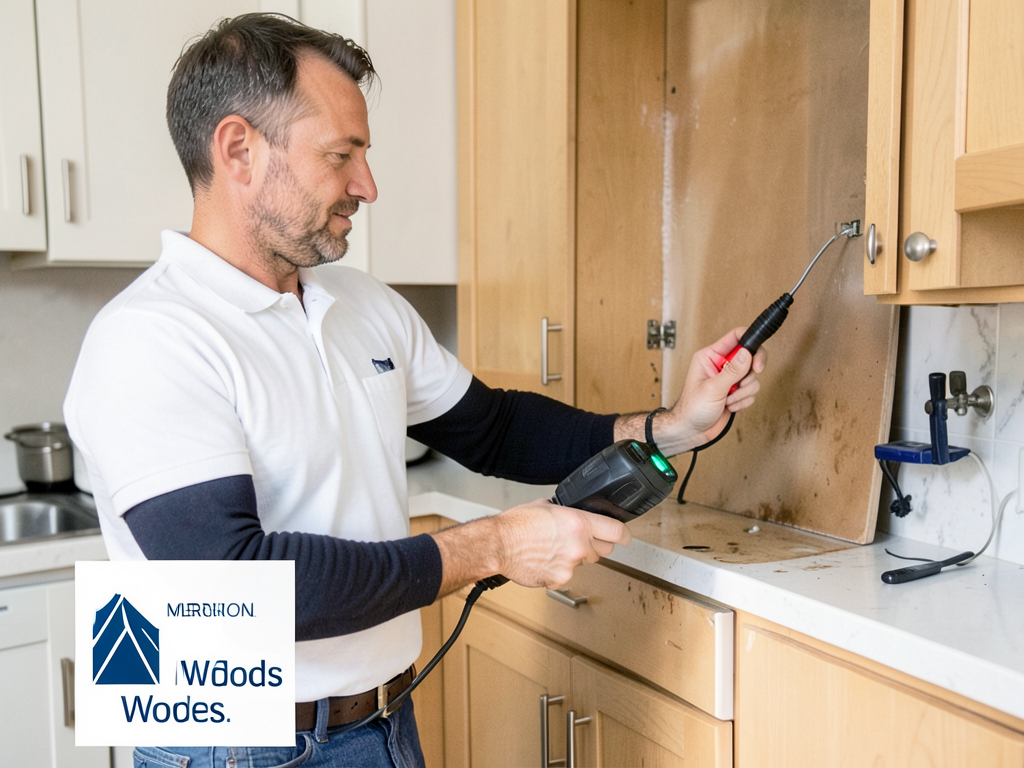
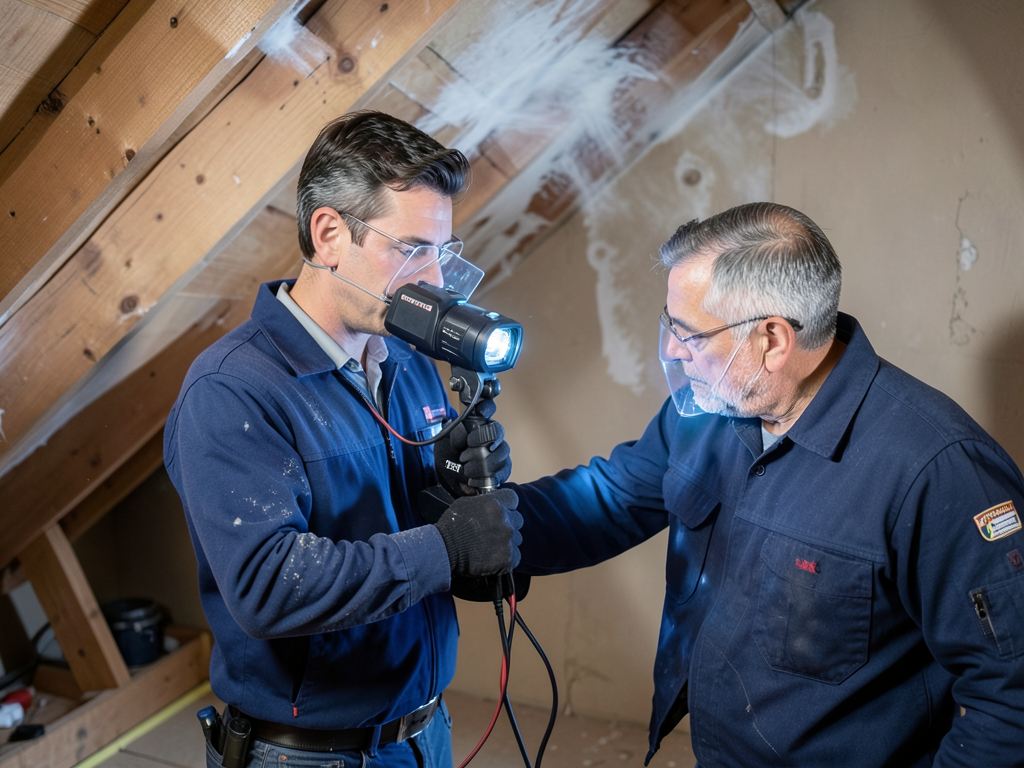
Our technicians use thermal imaging cameras to detect moisture behind finished surfaces. Cold spots indicate active leaks. Elevated moisture readings confirm hidden saturation. We map the affected area, then calculate containment zones to prevent cross-contamination during removal.

Containment barriers and negative air pressure keep spores from spreading into clean rooms. We seal doorways with plastic sheeting and run HEPA-filtered air scrubbers that create a vacuum effect. Air flows into the work zone but does not escape. This protects your family during demolition.

We cut out wet drywall, pull saturated insulation, and remove compromised subflooring. These materials cannot be dried. Mold roots penetrate porous surfaces. Cleaning them leaves microscopic colonies that regrow within days. Removal is the only solution.

After demolition, we treat exposed cavities with EPA-registered antimicrobial agents. We fog ductwork if spores entered the HVAC system. We verify humidity levels drop below 50 percent before reconstruction begins. High humidity will reactivate dormant spores.

We do not hide the damage behind new paint. We show you the contaminated materials, explain what caused the moisture intrusion, and recommend permanent fixes like improved grading, gutter extensions, or vapor barrier upgrades. If we only treat the symptom, you will call us again in six months. We fix the root cause so household mold allergies stop cycling back.

What Happens When You Call About Allergic Reactions

Allergic Reactions in Home in Raleigh – Stop the Source Before Symptoms Return
01

Moisture Detection and Mapping

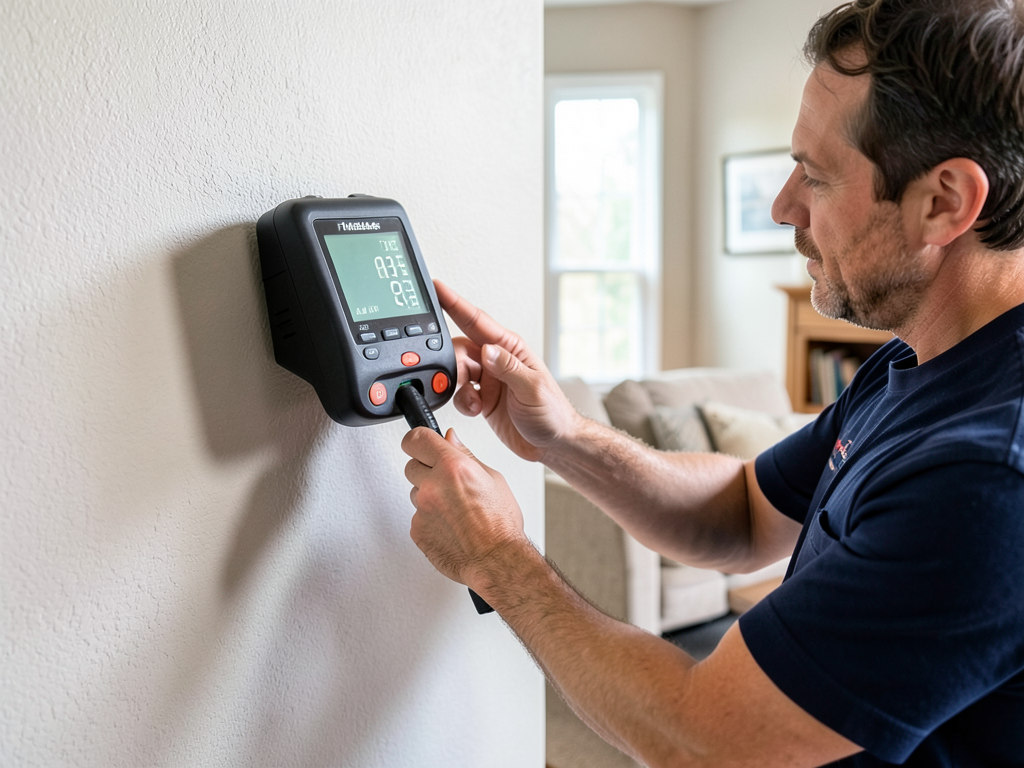
We arrive with thermal cameras and moisture meters to locate hidden saturation. You describe where symptoms worsen. We scan walls, ceilings, and floors in those rooms. Cold spots reveal active leaks. Elevated readings confirm mold-friendly conditions. We map the contamination zone and identify the water source feeding it.
02

Contained Removal and Treatment

We seal the work area with plastic barriers and negative air machines. We remove wet materials that cannot be salvaged, including drywall, insulation, and subflooring. We treat exposed cavities with antimicrobial solutions and fog ductwork if necessary. We verify humidity drops below 50 percent to prevent regrowth. Cross-contamination does not occur.
03

Source Correction and Clearance

We repair the water intrusion point, whether it is a leaking pipe, failed flashing, or foundation crack. We run post-remediation air quality tests to confirm spore counts return to normal levels. We provide documentation for insurance claims and clearance reports for your records. Your symptoms stop because the trigger is gone.

Why Raleigh Homeowners Trust Us to Fix the Problem Correctly

Most remediation companies treat visible mold and leave. They spray chemicals on surface growth, repaint, and collect payment. The allergies return because they never found the water source. We do not operate that way.

Silverline Water Damage Restoration Raleigh treats remediation as a diagnostic process. We trace moisture back to the intrusion point. We measure humidity in wall cavities, crawl spaces, and attic insulation. We identify why water accumulated in the first place. Then we fix it.

Raleigh's clay soil shifts during wet and dry cycles. Foundation cracks open during droughts and widen during heavy rain. Crawl spaces flood because grading slopes toward the house instead of away. Attic mold grows because bathroom exhaust vents dump moisture into insulation instead of outside. These are location-specific problems that require local knowledge.

We understand how Raleigh homes respond to regional conditions. Homes built in the 1980s often lack proper vapor barriers in crawl spaces. Post-2000 construction uses spray foam insulation that traps moisture if air sealing fails. Historic properties in neighborhoods like Oakwood have plaster walls that wick water upward from foundation leaks. Generic remediation protocols do not account for these variables. We adapt to what your home actually needs.

We also work directly with insurance adjusters to document damage for claims. We photograph contaminated areas, provide moisture readings, and submit detailed scope-of-work reports. Most claims require proof that remediation was necessary, not cosmetic. We give you that proof.

You deserve a team that stops the cycle instead of managing symptoms. We do the work correctly so you stop waking up congested in your own home.

What You Can Expect From Start to Finish

Rapid Response and Same-Day Assessment

We answer calls 24 hours a day because mold does not wait for business hours. Most assessments happen the same day you contact us. We arrive with thermal imaging equipment and moisture meters to identify hidden saturation immediately. You will know the scope of contamination and the water source before we leave. No guessing. No delays. You get answers fast so you can make informed decisions about remediation.

Thorough Inspection With Clear Documentation

We measure moisture levels in multiple locations to map contamination zones accurately. We photograph affected areas and provide written reports that include moisture readings, thermal images, and recommended actions. You receive documentation suitable for insurance claims. We explain what caused the moisture intrusion and what needs to happen to fix it permanently. No technical jargon without translation. You understand the problem and the solution before work begins.

Complete Remediation With Air Quality Verification

We remove contaminated materials, treat structural cavities, and repair the moisture source. We do not leave hidden colonies behind finished surfaces. After remediation, we run air quality tests to confirm spore counts return to normal levels. You get clearance documentation proving the work succeeded. Your allergic reactions stop because the trigger no longer exists. No recurring symptoms. No unfinished work. You reclaim healthy indoor air.

Post-Remediation Support and Prevention Guidance

We provide recommendations to prevent future moisture problems. This includes grading corrections, gutter extensions, dehumidifier placement, and improved ventilation. We explain how to monitor humidity levels and recognize early warning signs. If you experience new symptoms months later, we return to investigate at no diagnostic charge. We stand behind the work because we fixed the root cause. You gain long-term peace of mind, not a temporary patch.

Frequently Asked Questions

You Have Questions,
We Have Answers

What in my house is giving me allergies? +

Common culprits include dust mites in carpets and bedding, mold spores from water intrusion or high humidity, pet dander, cockroach droppings, and pollen tracked indoors. Raleigh's humid climate creates ideal conditions for mold growth in crawl spaces, basements, and around HVAC systems. Check areas with previous water damage, leaky pipes, or poor ventilation. Dust accumulation in ductwork also triggers reactions. If you notice musty odors or visible staining on walls and ceilings, you may have hidden mold. Professional testing can pinpoint sources you cannot see or reach.

How do I find out what I'm allergic to in my house? +

Start by eliminating suspects one at a time. Remove area rugs, wash all bedding in hot water, and vacuum thoroughly with a HEPA filter. Monitor your symptoms for improvement. For mold concerns common in Raleigh homes, inspect crawl spaces, attics, and bathrooms for moisture issues or visible growth. An allergist can perform skin prick tests or blood tests to identify specific triggers like dust mites, mold, or pet dander. Professional indoor air quality testing measures mold spore counts and allergen levels, giving you concrete data about what pollutants exist in your home.

How to treat allergy cough? +

Remove yourself from the allergen source first. Use over-the-counter antihistamines to reduce histamine response. A dehumidifier helps if mold or dust mites are triggers, especially in Raleigh's humid months. Saline nasal rinses clear irritants from nasal passages. Run HEPA air purifiers in bedrooms and common areas. If coughing persists beyond two weeks or worsens, see a doctor to rule out infection or asthma. Addressing the root cause matters more than symptom management. If water damage or mold exists, professional remediation prevents ongoing exposure and respiratory irritation.

Why do I suddenly have allergies in my home? +

Sudden allergies often signal a change in your indoor environment. Water damage from storms, plumbing leaks, or roof failures introduces mold growth. Raleigh's spring pollen can infiltrate homes through open windows or HVAC systems without proper filtration. Pest infestations like cockroaches produce allergens. Aging HVAC systems accumulate dust and biological contaminants. Recent renovations may disturb settled dust or expose hidden mold behind walls. High humidity above 60 percent promotes dust mite populations and mold colonization. Identify what changed recently in your home to pinpoint the trigger and eliminate it.

What is the most common indoor allergy? +

Dust mites top the list as the most common indoor allergen. These microscopic creatures thrive in bedding, upholstered furniture, and carpets, feeding on dead skin cells. Raleigh's humidity levels support dust mite populations year-round. They produce waste proteins that become airborne and trigger sneezing, congestion, and respiratory irritation. Mold ranks second, particularly in homes with moisture problems from crawl space dampness or poor ventilation. Regular washing of bedding in hot water, using allergen-proof mattress covers, and controlling indoor humidity below 50 percent reduces dust mite concentrations.

What are the symptoms of being allergic to mold? +

Mold allergy symptoms include persistent sneezing, runny or stuffy nose, itchy eyes, throat irritation, and coughing. Some people experience skin rashes or hives. Respiratory symptoms worsen in damp areas like basements or bathrooms. In Raleigh homes with crawl space moisture or previous water damage, black mold exposure can trigger more severe reactions including wheezing, chest tightness, and asthma attacks. You may notice symptoms intensify during humid weather or after rain. Musty odors often accompany mold growth. If symptoms persist indoors but improve when you leave, mold contamination is likely.

Can I test my house for allergies? +

Yes. Professional indoor air quality testing measures allergen levels including mold spores, dust mite waste, and particulate matter. Environmental testing companies collect air samples and surface swabs to identify specific contaminants. For mold concerns in Raleigh properties, moisture meters detect hidden water intrusion in walls and crawl spaces. HVAC inspections reveal duct contamination. DIY mold test kits exist but lack accuracy compared to lab analysis. Testing confirms what allergens exist, their concentration levels, and where they originate. This data guides targeted remediation rather than guessing at solutions.

What are the symptoms of house dust mite allergy? +

Dust mite allergy symptoms include sneezing, runny nose, itchy or watery eyes, nasal congestion, postnasal drip, and cough. Many people experience worsened symptoms upon waking since mites concentrate in bedding. Itchy skin or eczema flare-ups occur from direct contact. Asthma sufferers may notice increased wheezing, chest tightness, or difficulty breathing, especially at night. Symptoms persist year-round in Raleigh's humid climate where dust mites thrive. If you feel worse in carpeted rooms or when making beds, dust mites are the likely trigger. HEPA vacuuming and humidity control reduce populations.

Do air purifiers help with allergies? +

Yes, when used correctly. HEPA air purifiers capture 99.97 percent of airborne particles including pollen, dust mite waste, pet dander, and mold spores. Place units in bedrooms and high-traffic areas for maximum benefit. They reduce airborne allergens but cannot eliminate sources like mold growing inside walls or dust mites embedded in carpets. In Raleigh homes, purifiers work best alongside humidity control and source removal. Change filters regularly to maintain effectiveness. Purifiers complement professional remediation but do not replace fixing water damage, duct cleaning, or addressing moisture problems that fuel allergen growth.

How to tell if it's an allergy cough? +

Allergy coughs are typically dry, persistent, and triggered by postnasal drip or throat irritation from inhaled allergens. They worsen in specific environments like dusty rooms or moldy basements. You will not have fever, body aches, or colored mucus like with infections. The cough often accompanies sneezing, itchy eyes, or nasal congestion. In Raleigh, seasonal patterns may emerge if pollen infiltrates your home. Symptoms improve when you remove yourself from the allergen source or take antihistamines. If the cough produces mucus, causes chest pain, or persists beyond three weeks, consult a doctor.

How Raleigh Humidity and Clay Soil Amplify Indoor Mold Allergies

Raleigh averages 43 inches of rain annually, with summer humidity regularly exceeding 70 percent. This climate creates persistent condensation on cold pipes, ductwork, and foundation walls. Clay soil surrounds most homes in the area. It swells when saturated and shrinks during dry spells. This expansion and contraction cycle cracks foundations and shifts slabs, opening pathways for groundwater to seep into crawl spaces and basements. Once moisture enters, high ambient humidity prevents evaporation. Mold colonies establish quickly in these stagnant, damp conditions, releasing spores that trigger household mold allergies and mildew allergic reactions in residents.

Local building codes now require crawl space encapsulation in new construction, but thousands of older homes in Raleigh lack vapor barriers or proper ventilation. Homes in historic districts like Mordecai and Boylan Heights often have outdated drainage systems that funnel water toward foundations instead of away. We work with homeowners throughout the greater Raleigh metro to address these structural vulnerabilities. Our team understands how regional soil and weather patterns contribute to water damage allergy triggers. We do not apply generic solutions. We fix problems specific to how your home interacts with Raleigh's environment.
Water Damage Restoration Services in The Raleigh Area

While based in Raleigh, Silverline proudly serves the surrounding areas, providing expert water damage restoration wherever you are. Our interactive map allows you to visualize our service radius and plan your visit, or simply understand our immediate response capabilities. We are dedicated to reaching you quickly, ensuring prompt and efficient service for your home or business, no matter your precise location within our service area, ready to assist.

Address:
Silverline Water Damage Restoration Raleigh, 306 E Hargett St, Raleigh, NC, 27601

Additional Services We Offer

Our news updates

Latest Articles & News from The Blogs

Managing a Multi-Floor Water Leak in a Bedford Townhome A multi-floor water leak in your Bedford townhome requires immediate action…

Managing a Multi-Floor Water Leak in a Bedford Townhome

Managing a Multi-Floor Water Leak in a Bedford Townhome A multi-floor water leak in your Bedford townhome requires immediate action…

Dealing with Copper Pipe Pinholes and Slow Leaks in Stonehenge Homes

Copper Pipe Leak Repair & Water Damage Restoration in Raleigh, NC Copper pipe pinhole leaks silently damage Stonehenge homes built…

Replacing Water Damaged Subfloors Under Your New LVP in North Raleigh

Replacing Water Damaged Subfloors Under Your New LVP in North Raleigh Water damage beneath luxury vinyl plank flooring in North…

Contact Us

Your allergies will not improve until we remove the contamination source. Call Silverline Water Damage Restoration Raleigh at (984) 294-5900 today. We locate hidden moisture, eliminate mold colonies, and restore healthy indoor air. Same-day assessments available.